
Container Gardens
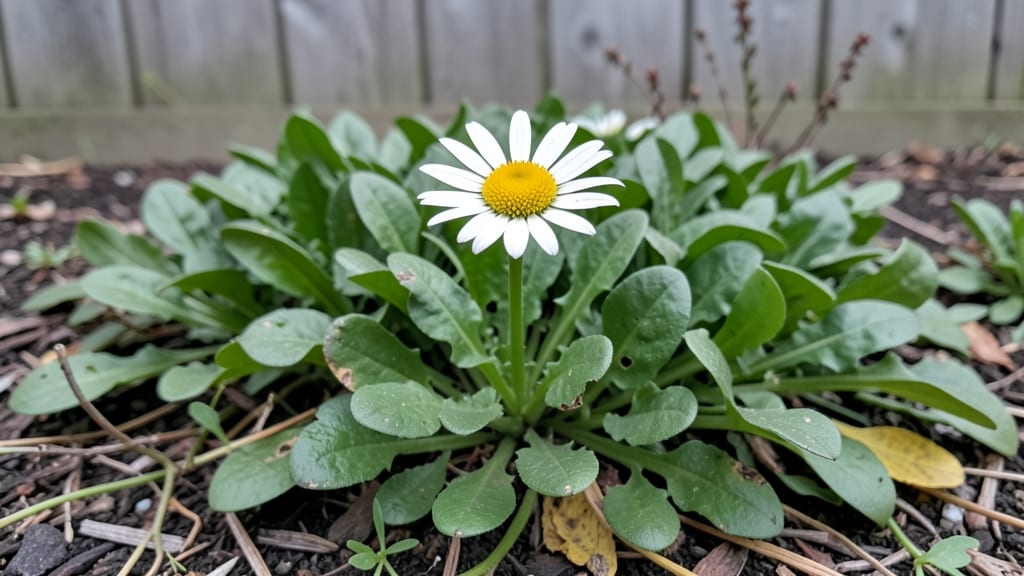
Growing daisy flowers in containers proves you don’t need a yard to enjoy their cheerful faces. ✨ I’ve filled window boxes, hanging baskets, and patio pots with daisies—even my black thumb can’t kill these hardy bloomers when you follow the right steps.
The secret lies in matching the right daisy variety to your space, whether it’s sun-loving Shastas or shade-tolerant Gerberas.
You’ll need containers with drainage, well-draining potting mix, and a sunny spot (at least 6 hours of sunlight daily). Most daisies thrive in 5- to 10-gallon pots, and they’re surprisingly low-maintenance once planted.
Water when the top inch of soil feels dry, and deadhead spent blooms to encourage nonstop flowers all season.
By midsummer, you’ll have a cascade of white, pink, or yellow daisies that neighbors will beg for cuttings. The best part? These containers can move indoors during winter in mild climates, giving you blooms almost year-round. Even in small spaces, daisies bring that classic cottage-garden charm without the fuss.
Works for both annuals (like Gerberas) and perennials (like Shastas), so you can mix and match based on your growing zone. Let’s get those containers blooming!
📚 In This Guide
- What you need
- Instructions
- Tips and common mistakes
- Wrapping up and next steps
What you need
- ● Daisy seeds or seedlings: Choose Gerbera daisies (for vibrant colors) or Oxeye daisies (hardy and low-maintenance). Buy 5–10 seeds or 3–5 seedlings per container.
- ● Containers: 1–2 containers per plant (minimum 12" diameter for mature daisies). Use pots with drainage holes or self-watering planters.
- ● Well-draining potting mix: A high-quality blend (e.g., 50% peat moss, 30% perlite, 20% compost). Avoid garden soil—it compacts and suffocates roots!
- ● Slow-release fertilizer: 1–2 cups of organic granular fertilizer (like 10-10-10) mixed into the soil at planting time.
- ● Trowel or small shovel for transplanting seedlings.
- ● Watering can with a fine rose nozzle (to avoid displacing soil).
- ○ Gloves (optional but recommended—daisy leaves can be prickly!).
- ● Pruning shears (for deadheading spent blooms later).
- ● Sunlight: Full sun (6+ hours daily). South- or west-facing containers are ideal!
- ● Water source: Easy access to water (daisies wilt fast if dried out).
- ● Patience: Seedlings take 8–12 weeks to bloom; seedlings may flower in 6–8 weeks.
- ● Mulch (e.g., straw or pine needles) to retain moisture and suppress weeds.
- ● Epsom salt (1 tbsp per gallon of water) for magnesium boosts (great for lush foliage).
- ● Decorative pebbles or saucers to elevate pots and protect surfaces.
- ● Grow lights (if growing indoors with limited sunlight).
Step-by-step instructions for growing container daisies
Here’s how to coax those cheerful blooms into containers—no fuss, just reliable results.
🌱 Step 1: Choose the Right Containers and Soil Mix
Start with 6-inch diameter pots for each daisy plant, since they need room to spread. I use terra cotta containers—they wick away excess moisture, which prevents root rot. Fill each pot with 2 gallons of well-draining potting mix (never garden soil—it compacts and suffocates roots). Add ½ cup perlite to each pot to boost drainage further.
Press the mix down gently until it’s settled but still loose—you want roots to push through easily. Tap the pot once or twice on the table to eliminate air pockets. The soil should feel like a damp sponge, not soggy. If it clumps when squeezed, add a little more perlite to lighten it up.
🌿 Step 2: Plant Daisy Starts at the Correct Depth
Gently remove each daisy plant from its nursery pot and tease the roots apart if they’re circling. Place the plant in its container so the top of the root ball sits just below the rim—this prevents water from pooling and rotting the stem. Fill the remaining space with more potting mix, pressing lightly around the edges to secure the plant.
Don’t bury the stems too deep; the soil line should match where the plant sat in its original pot. Water immediately after planting until water runs freely from the drainage hole. This settles the soil and eliminates air pockets around the roots. If the soil shrinks below the root ball, add a little more mix to keep it stable.
☀️ Step 3: Position for Bright, Indirect Light
Daisies thrive in full sun to partial shade—at least 6 hours of direct light daily. Place your containers on a south- or west-facing patio where they’ll get morning sun and afternoon shade (especially in hot climates). If you’re growing them indoors near a window, rotate the pots a quarter turn every few days so they don’t lean toward the light.
Watch for yellowing leaves—this is your signal the plant isn’t getting enough light. If that happens, move it closer to the window or supplement with a grow light for 12-14 hours daily. Over time, you’ll see the stems thicken and leaves darken, which means the plant is establishing strong roots and preparing for blooms.
💧 Step 4: Water and Fertilize for Continuous Blooms
Water when the top inch of soil feels dry—stick your finger in to check. Daisies hate soggy soil, so always let excess water drain away. I use a watering can with a narrow spout to direct moisture right at the base, avoiding the leaves. In hot weather, you may need to water every 2-3 days; in cooler months, once a week is plenty.
Feed with ½ teaspoon of balanced fertilizer (10-10-10) every 4-6 weeks during the growing season. Stop fertilizing in late summer to encourage blooms instead of leafy growth. Deadhead spent flowers by pinching them off at the base—this redirects the plant’s energy into producing more blooms. You’ll notice new buds forming within 2-3 weeks of consistent care.
Tips & tricks for perfect container daisy blooms
Here's what I learned the hard way about growing daisies in containers—simple tweaks that make all the difference between wilting disappointment and cheerful blooms.
Container Selection: Terra cotta isn't just my preference—it's a game-changer for daisies. The porous material wicks away excess moisture, preventing the root rot that's daisies' biggest enemy. For extra insurance, I drill additional drainage holes in the bottom if they don't exist. And here's the thing: larger pots (8-10 inches) actually work better than 6-inchers because they prevent the roots from becoming root-bound too quickly. The extra space gives your daisies room to establish strong root systems that support those cheerful blooms.
Soil Science: That 2 gallons of well-draining potting mix isn't just a suggestion—it's critical. I've seen daisies thrive in mixes that combine equal parts potting soil, perlite, and compost. The key is creating a soil that mimics their natural habitat: loose enough for roots to breathe but with enough organic matter to retain moisture. If your mix feels dense when squeezed, add more perlite—think of it as creating a soil that's like a damp sponge rather than a wet brick. This balance is what prevents those dreaded yellow leaves from moisture stress.
Light Positioning: Those 6 hours of direct light are non-negotiable, but here's what nobody tells you: daisies actually prefer morning sun and afternoon shade in hot climates. The intense afternoon sun can scorch the delicate petals. If you're growing indoors, rotate your pots every few days—I've seen daisies grow lopsided when they're always reaching toward the same light source. And that 12-14 hours of grow light? It's not just about extra light—it's about replicating the natural day length that triggers blooming. The stems will thicken noticeably when they're getting proper light.
Watering Wisdom: The "top inch dry" rule is perfect, but here's my pro tip: water at the base, not overhead. Wet leaves can lead to fungal issues, and daisies are particularly susceptible. I use a watering can with a narrow spout to direct moisture right at the soil surface. In hot weather, I actually water twice daily—once in the morning and once in the late afternoon—to keep the soil consistently moist without waterlogging. The key is to let excess water drain completely between waterings; daisies hate soggy feet.
Pro Tips for Daisy Flower Growing
- Here's what I learned the hard way about growing daisies in containers—simple tweaks that make all the difference between wilting disappointment and cheerful blooms.
- Container Selection: Terra cotta isn't just my preference—it's a game-changer for daisies.
- Soil Science: That 2 gallons of well-draining potting mix isn't just a suggestion—it's critical.
Frequently asked questions
Got questions about growing daisies in containers? You’re not alone! Here are some of the most common queries—plus quick, practical answers to help you cultivate happy, blooming daisies with confidence.
How often should I water potted daisies?
Water your daisies when the top inch of soil feels dry—usually every 2–3 days in hot weather or once a week in cooler months. Containers dry out faster than garden beds, so check soil moisture daily during heatwaves. Pro tip: Use well-draining soil and pots with drainage holes to prevent root rot!
When is the best time to plant daisies in containers?
Plant daisies in early spring (after the last frost) or late summer for fall blooms. If starting from seeds, sow them indoors 6–8 weeks before the last frost. For cuttings or nursery plants, wait until soil temps are consistently above 50°F (10°C). Bonus: Hardy varieties like Shasta daisies tolerate light frosts!
What pests commonly attack container daisies, and how do I stop them?
Watch for aphids, spider mites, and slugs—they love tender daisy leaves! For aphids, spray with soapy water. Use neem oil for mites. To deter slugs, add a ring of diatomaceous earth around the pot’s base. Prevention tip: Keep plants healthy with balanced fertilizer to boost pest resistance!
Can I grow daisies in small pots, or do they need big containers?
Daisies thrive in pots at least 12 inches deep and wide, but dwarf varieties (like Gerbera daisies) can grow in 6-inch containers. Just ensure each plant has 3–4 inches of space between neighbors. Space-saver hack: Try trailing varieties like Oxeye daisies in hanging baskets for vertical charm!
Why aren’t my container daisies blooming?
Lack of blooms often means too much shade, over-fertilizing with nitrogen, or not enough sunlight (6+ hours daily). Deadhead spent blooms to encourage new flowers. If using slow-release fertilizer, switch to a balanced bloom booster (like 10-10-10). Light check: Move pots to sunnier spots if growth is leggy!
Still stumped? Drop your daisy dilemmas below—we’re happy to help troubleshoot!
Wrapping up and next steps
Growing daisies in containers is a rewarding way to bring cheerful blooms to small spaces—whether you’re a beginner or a seasoned gardener! 🌼 With the right soil, sunlight, and care, you’ll enjoy vibrant flowers that brighten up patios, balconies, or windowsills in just a few months. Now that you’re equipped with the basics, why not start your container garden today?
Ready to dive in? Pick your favorite daisy variety, grab your supplies, and plant your first seeds or cuttings this weekend! Happy growing—your future blooms will thank you. 🌱✨