
Flowers
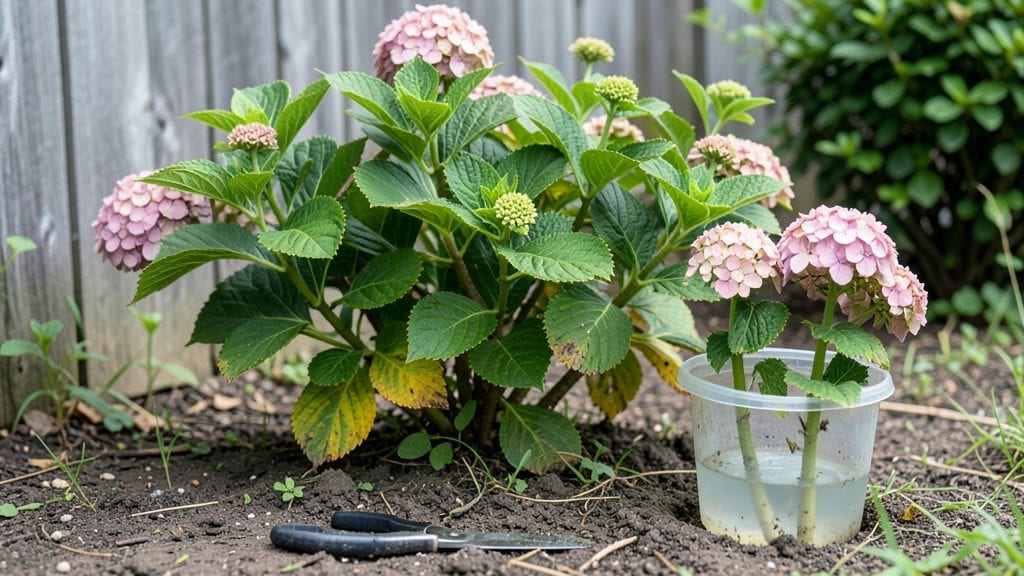
Precision cutting hydrangea flowers transforms your garden from seasonal to year-round beauty. ✨ I learned this after years of watching blooms fade too soon—until I mastered the right cuts, angles, and timing.
The difference isn’t just about longer stems; it’s about bushier growth and flowers that last weeks longer than average.
Timing matters most: cut in early summer for propagation or late summer for arrangements, always using clean, sharp pruners. Focus on the 45-degree angle just above a leaf node—this encourages new growth while keeping the plant healthy.
Avoid cutting into woody stems, as this stresses the plant and reduces future blooms.
What you’ll gain is a hydrangea that stays vibrant through heat and humidity, with stems sturdy enough for arrangements that last in vases. The key is consistency—prune at the same time each year, and your plants will reward you with bold, uniform blooms that turn heads at every season’s peak.
This method works for all hydrangea types, from mopheads to lacecaps, and adapts to both garden beds and container growing. Start with one bush this season, and you’ll wonder why you didn’t do this sooner.
📚 In This Guide
- What you need
- Instructions
- Tips and common mistakes
- Wrapping up and next steps
What you need
- ● Clean, sharp pruning shears – Bypass pruners (4-6" blades) or felco pruners (for precision cuts). Avoid dull tools—they crush stems!
- ● Disinfectant (rubbing alcohol or bleach solution) – 1 part bleach to 9 parts water to sterilize tools and prevent disease.
- ○ Gloves (optional but recommended) – Nitrile or leather gloves to protect from thorns and sap.
- ● Ruler or measuring tape – For checking bud placement (aim for 2-3 buds below the cut).
- ● Bucket or vase with water – Large enough to hold cut stems to keep them hydrated post-cutting.
- ● Sharpie or permanent marker – To label stems if organizing by variety or color.
- ○ Pruning sealant – Optional for large cuts to prevent sap oozing (e.g., Tanglefoot Tree Wound Pruning Seal).
- ● Knee pad or stool – For comfort if trimming large hydrangeas or working in tight spaces.
- ● Hydrangea food or fertilizer – Slow-release granules (like Miracle-Gro Shake ‘n Feed) to boost post-pruning growth.
- ● Camera or phone – To document your hydrangea’s progress before/after trimming!
Step-by-step guide to cutting hydrangea flowers for maximum beauty
Here’s how I trim hydrangeas to keep them blooming bigger and longer—no guesswork involved.
🌿 Step 1: Identify the Right Time to Trim
Hydrangeas bloom on either old wood (last year’s growth) or new wood (current year’s growth), and timing matters. For varieties like Endless Summer, which bloom on both, trim right after flowering in late summer or early fall. For old-wood bloomers like Annabelle, wait until late winter or early spring before buds swell.
Look for brown, woody stems—these are last year’s growth. If you see green stems with buds forming, those are this year’s growth, and you’ll want to preserve them. I always check the plant’s label first to confirm its blooming type before cutting anything.
✂️ Step 2: Gather the Right Tools and Prepare the Plant
Use clean, sharp pruners or shears to make precise cuts—dull tools crush stems and invite disease. Sterilize your tools with rubbing alcohol to prevent spreading bacteria. I also wear gloves to avoid sap irritation, especially when working with larger stems.
Start by removing any dead, damaged, or crossing branches first. These compete for energy and can weaken the plant. Cut back to a healthy bud or outward-growing branch. Avoid leaving stubs—always trim at a 45-degree angle just above a leaf node or bud.
🌱 Step 3: Trim for Shape and Size
For old-wood bloomers, cut back about 1/3 of the plant’s height to encourage new growth. Focus on removing old, woody stems at the base, leaving 2-3 healthy stems if possible. This rejuvenates the plant and makes room for stronger blooms next season.
For new-wood bloomers, trim lightly in late winter to shape the plant. Remove only the oldest stems at the base, leaving the younger growth intact. You’ll see new buds forming along these stems in early spring—never cut them off.
💧 Step 4: Water and Fertilize After Trimming
Give the plant a deep watering right after pruning to help it recover. Hydrangeas are thirsty, so soak the soil until water runs out the drainage holes. I always check the soil 1-2 inches deep—if it’s dry, water again.
Apply a balanced, slow-release fertilizer (like 10-10-10) in early spring to support new growth. Avoid high-nitrogen fertilizers—they encourage leafy growth at the expense of flowers. I also add a handful of mulch around the base to retain moisture and regulate soil temperature.
☀️ Step 5: Monitor and Maintain Through the Season
Watch for new shoots emerging in spring—they’re a sign your trimming worked. Hydrangeas need morning sun and afternoon shade in hot climates to prevent leaf scorch. If leaves start wilting, move the plant to a slightly shadier spot or provide afternoon shade with a sheer curtain.
Deadhead spent blooms throughout the season to encourage more flowers. Cut just above the first set of healthy leaves or buds. I also prune lightly in late summer to shape the plant and remove any leggy growth before winter.
Tips & tricks for perfect hydrangea trimming
Precision trimming is all about understanding your plant's unique needs—and a few simple tricks can make all the difference between a healthy hydrangea and one that struggles to bloom.
Timing Secret: I learned this the hard way after accidentally pruning my Annabelle hydrangea too early in spring. For old-wood bloomers like Annabelle, wait until buds begin to swell—usually in late winter—but before leaves emerge. This ensures you're not cutting off next year's flowers. For new-wood bloomers, trim in late winter to shape, but never cut back into last year's growth where buds form.
Tool Technique: Sterilizing your pruners between cuts is non-negotiable. I keep a small bottle of rubbing alcohol handy and wipe tools after every 3-4 cuts, especially when working with multiple plants. This prevents spreading disease from one plant to another. And always cut at a 45-degree angle just above a leaf node or bud—this promotes faster healing and new growth.
Shape Strategy: When trimming old-wood bloomers, focus on removing the oldest, largest stems at the base. I aim to leave 2-3 of the healthiest stems—these will produce the biggest blooms next season. For new-wood varieties, think of pruning as sculpting: remove only the oldest stems at the base while preserving the younger growth where new buds will form.
Post-Pruning Care: The deep watering after trimming is crucial, but don't stop there. I always add a 2-3 inch layer of mulch around the base to lock in moisture and regulate soil temperature. This helps the plant recover faster and reduces stress during the critical root establishment period after pruning.
Pro Tips for Cutting Hydrangea Flowers
- Precision trimming is all about understanding your plant's unique needs—and a few simple tricks can make all the difference between a healthy hydrangea and one that struggles to bloom.
- Timing Secret: I learned this the hard way after accidentally pruning my Annabelle hydrangea too early in spring.
- Tool Technique: Sterilizing your pruners between cuts is non-negotiable.
Frequently asked questions
Got questions about cutting hydrangea flowers like a pro? Here are the answers to the most common queries—so you can keep your blooms stunning all season!
When is the best time to cut hydrangea flowers?
For long-lasting cut flowers, harvest in the early morning after dew has dried but before the sun peaks. Aim for mid-to-late summer when blooms are fully open but still firm. Avoid cutting after rain—waterlogged stems wilt faster!
How do I know which stems to cut for the longest vase life?
Look for healthy, mature stems (about pencil-thick) with 3-5 buds per stem. Avoid cutting from the current year’s growth if you want next year’s blooms—opt for last year’s wood (woody stems) for reblooming varieties like Endless Summer.
Why do my cut hydrangeas wilt so fast?
Hydrangeas are thirsty drinkers—trim stems at a 45-degree angle and immediately place them in lukewarm water with a flower food packet. Wilting often means air pockets or bacteria clogging the stem. Re-cut stems under water every 2-3 days to refresh!
Can I cut hydrangeas back hard in fall/winter?
It depends! Non-reblooming varieties (like Bigleaf) can be pruned in late winter/early spring to shape. Rebloomers (like Panicle) need a light trim in spring—never cut back hard until after they bloom. Over-pruning risks losing next year’s flowers!
What’s the secret to keeping cut hydrangeas vibrant in arrangements?
For long-lasting color, change the water every 2 days and trim stems again. Add a splash of bleach (1 tsp/gallon) or apple cider vinegar (1 tbsp/gallon) to prevent bacterial growth. Keep them out of direct sunlight—bright, indirect light preserves their beauty!
Wrapping up and next steps
Cutting hydrangea flowers the right way doesn’t just keep your plants healthy—it transforms them into lush, vibrant showstoppers year after year! 🌸 With the right tools, timing, and technique, you’ll enjoy longer blooms, stronger growth, and even more stunning flowers next season.
Whether you’re a seasoned gardener or a curious beginner, this method is your secret to hydrangea success.
Ready to put your new skills to the test? Grab your shears and head to the garden—your hydrangeas are waiting! 🌿 For extra inspiration, explore seasonal care tips or share your trimmed blooms with the gardening community. Happy pruning!