
Shrubs
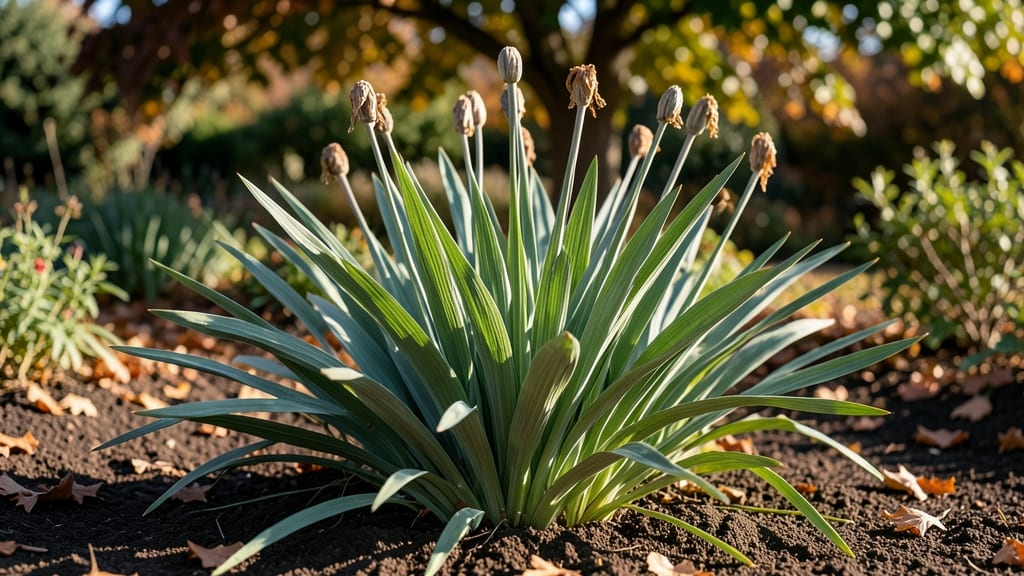
If you’re dealing with crocosmia not flowering, the culprit is almost always one of three easy fixes—light, space, or timing. 🌿 I’ve watched my own clumps go from lush foliage to a riot of orange plumes just by tweaking a few things, and you can too.
The key is catching the right clues: Are the leaves too crowded? Is the spot too shady? Or is it just waiting for the perfect moment?
Most crocosmia plants need 6+ hours of direct sunlight daily to trigger blooming, but they’ll also protest if they’re overcrowded. Dig around the base—if you see more than 3-4 fans per clump, it’s time to divide.
And don’t forget dormancy: these plants need a cool winter rest to reset for next year’s flowers. Skimp on any of these, and you’ll get leaves but no show.
Here’s the game-changer: prune back dead foliage in early spring, fertilize lightly with balanced 10-10-10 in spring, and move stubborn clumps to sunnier spots. Within 4-6 weeks, you’ll see fresh shoots—and if conditions are right, those signature flower spikes will follow.
Patience pays off, especially with these dramatic, drought-tolerant plants.
Works for both clumping varieties (like ‘Lucifer’) and spreading types (like ‘Emily McKenzie’). The same rules apply whether you’re in a sunny border or a container garden—just adjust spacing. Let’s get those blooms back!
The Hidden Reasons Behind Missing Blooms
Crocosmia’s striking, flame-like flowers are its crowning glory, but when they fail to appear, frustration sets in. Understanding the root causes behind this disappointment is the first step toward revival. Below, we break down the most common reasons—backed by science—and how to diagnose them in your garden.
Crocosmia (Crocosmia spp.) thrives in full sun to partial shade, but too little light triggers a survival response: the plant prioritizes leafy growth over flowering. Here’s why it fails:
- Photosynthesis Shortfall: Flowers require high-energy sugars produced during photosynthesis. In low-light conditions, the plant redirects energy to vegetative growth (leaves and stems) instead of blooms. - Daylength Sensitivity: Some crocosmia varieties are short-day plants, meaning they need 12+ hours of daylight to trigger flowering.
Shorter days (common in shaded spots) delay or prevent bloom signals.
Actionable Fix:
- Move your crocosmia to a sunnier location (6+ hours of direct sun daily).
- If relocating isn’t possible, supplement with a grow light (12–14 hours/day) during spring/summer.
Over- or under-watering, along with poor soil nutrition, can stress the plant into skipping reproduction. Here’s the science:
| Issue | Effect on Blooms | Solution |
|---|---|---|
| Overwatering | Roots suffocate; anaerobic conditions halt nutrient uptake, including phosphorus (critical for flowers). | Ensure well-draining soil; water only when top 1–2" is dry. |
| Underwatering | Drought stress triggers abscisic acid (a stress hormone) that pauses flowering. | Water deeply 1–2x weekly (more in heat). |
| Nitrogen Overload | Excess nitrogen (from fresh manure or synthetic fertilizers) promotes leafy growth at the expense of blooms. | Use a balanced fertilizer (e.g., 10-10-10) or low-nitrogen compost. |
| Phosphorus Deficiency | Phosphorus (P) is the "flower nutrient"—without it, buds fail to form. | Apply bone meal or a phosphate-rich fertilizer in early spring. |
Pro Tip 💡: Test your soil’s pH (ideal: 6.0–7.0). Crocosmia struggles in alkaline soil (pH >7.5), which locks out phosphorus.
Even healthy crocosmia plants need rest periods to flower. Ignoring these cues leads to missed blooms:
- First-Year Plants: Crocosmia often skip flowering in their first year while establishing roots. Patience is key—blooms typically appear in year 2 or 3.
- Over-Fertilization in Fall: Feeding late in the season delays dormancy, preventing the plant from entering its winter rest phase—a critical trigger for spring blooms.
- Premature Pruning: Cutting back old foliage too early (before it yellows naturally) removes stored nutrients needed for next year’s flowers.
Actionable Fix:
- Let foliage die back naturally in fall (prune only after it browns).
- Avoid fall fertilization; switch to a winter mulch (2–3" of straw) to protect roots.
Hidden invaders can siphon nutrients or damage growing points, stunting blooms:
- Crocosmia Mite (Aceria crocosmiae): These microscopic pests distort leaves and buds, preventing flower formation. They thrive in hot, dry conditions. - Fungal Issues (e.g., rust, leaf spot): Fungal infections weaken the plant, diverting energy away from blooms.
Overhead watering creates moisture-loving conditions for spores.
How to Check:
- Inspect new growth for yellowing, curled leaves, or tiny white webs (mites).
- Look for orange pustules (rust) or black spots (leaf spot) on foliage.
Fix It:
- Mites: Spray with neem oil or insecticidal soap (repeat every 5–7 days).
- Fungi: Apply copper fungicide or baking soda spray (1 tsp baking soda + 1 quart water + few drops of soap).
Crocosmia is hardy but sensitive to sudden temperature swings:
- Late Frosts: New flower buds are frost-sensitive.
A late spring freeze can kill emerging blooms before they open. - Heat Stress: Temperatures above 90°F (32°C) for prolonged periods cause bud drop due to transpiration stress. - Urban Heat Islands: Paved or concrete-heavy areas radiate heat, raising soil temps and disrupting dormancy cycles.
Solutions:
- Mulch heavily (4–6" of straw) to moderate soil temps.
- Provide afternoon shade in hot climates (use lightweight shade cloth).
- Choose heat-tolerant varieties like Crocosmia 'Emily McKenzie' (more resilient in heat).
Revive Your Crocosmia’s Blooms
Now that you’ve identified why your crocosmia isn’t flowering, it’s time to take action! Whether it’s a lack of sunlight, improper feeding, or overcrowding, these practical fixes will help coax vibrant blooms back to life.
Below, we’ve mapped out step-by-step solutions for each common cause—plus prevention tips to keep your plants thriving long-term.
If your crocosmia is tucked away in shade, it’s time to move it to the light—but do it right to avoid shocking the plant.
How to Do It:
🔥 🌞 Gradually Relocate the Plant
- Crocosmia prefers full sun (6+ hours daily) but can tolerate partial shade (4–6 hours).
- If moving to a sunnier spot, do it over 1–2 weeks to avoid leaf scorch. Shift it a little closer each day.
🍳 🌿 Adjust Surrounding Plants
- Trim or remove nearby tall plants (like trees or shrubs) blocking sunlight.
- If space is limited, consider container growing in a sunny area (use a 12–15 inch pot with drainage).
👨🍳 🌱 Provide Aftercare
- Water deeply but less frequently (once a week) to encourage root growth toward sunlight.
- Mulch with 2–3 inches of organic matter (like shredded bark) to retain moisture and warmth.
💡 Prevention Tips:
✔ Plant in the right spot from the start—choose a location with morning sun + afternoon shade if full sun isn’t possible. ✔ Monitor leaf color: Yellowing leaves = too much shade; crispy edges = too much sun. Adjust gradually.
Crocosmia needs balanced nutrition to produce blooms. If the soil is nutrient-poor, it’ll focus on leaves instead of flowers.
How to Do It:
🔥 🌱 Test Your Soil First
- Use a DIY soil test kit (or send a sample to a local extension office) to check pH (6.0–7.0 ideal) and nutrient levels.
- If soil is too acidic (below 6.0), mix in lime (follow package rates).
🍳 🍄 Apply the Right Fertilizer
- Spring (March–April): Use a balanced fertilizer (10-10-10 or 20-20-20) to kickstart growth.
- Summer (June–July): Switch to a low-nitrogen, high-phosphorus fertilizer (like 5-10-10) to encourage blooming.
- Avoid high-nitrogen feeds (like lawn fertilizer)—they promote leafy growth but few flowers.
👨🍳 🌿 Top-Dress with Organic Matter
- Spread compost or well-rotted manure around the base (keep it 2–3 inches away from stems).
- Water thoroughly to help nutrients sink into the soil.
💡 Prevention Tips:
✔ Fertilize in stages: Too much at once can burn roots. Split doses every 4–6 weeks. ✔ Use slow-release granules for steady nutrition without overfeeding. ✔ Mulch annually (fall or early spring) to replenish organic matter naturally.
Crocosmia spreads via rhizomes (underground stems), and if it’s too crowded, energy goes to leaf growth instead of flowers.
How to Do It:
🔥 🔪 Divide the Clump (Best in Early Spring or Fall)
- Gently dig up the entire plant (use a fork or spade to loosen soil).
- Separate rhizomes with a clean knife or hands—each section should have 3–5 healthy shoots.
🍳 🌱 Replant with Space
- Dig holes 12–18 inches apart (crowding = fewer blooms).
- Plant rhizomes shallowly (just below soil level) with roots facing downward.
- Water deeply after replanting to reduce shock.
👨🍳 🌿 Keep Soil Moist (But Not Soggy)
- Water 1–2 times per week (adjust for rain) until new growth appears.
- Once established, reduce watering to once a week (unless in extreme heat).
💡 Prevention Tips:
✔ Divide every 2–3 years to prevent overcrowding. ✔ Deadhead spent blooms (cut back after flowering) to redirect energy to next year’s flowers. ✔ Avoid planting too densely—give each clump space to breathe.
Crocosmia blooms on a seasonal schedule, and wrong timing can delay (or stop) flowers.
How to Do It:
🔥 🌡️ Know the Blooming Window
- Most crocosmia varieties bloom mid-to-late summer (July–August).
- If you prune or fertilize at the wrong time, you’ll miss the bloom trigger.
🍳 📅 Follow This Seasonal Guide
| Season | Action | Avoid |
|---|---|---|
| Early Spring | Divide clumps, add compost, light feed | Heavy pruning |
| Late Spring | Fertilize (balanced NPK) | Overwatering |
| Summer | Deadhead, water deeply (if dry) | High-nitrogen fertilizer |
| Fall | Mulch, reduce watering | Late pruning (stubs left) |
👨🍳 🌿 Prune for Next Year’s Blooms
- After flowering, cut back foliage to 6 inches (but leave some leaves for photosynthesis).
- Never prune in late fall/winter—new growth needs energy to survive cold.
💡 Prevention Tips:
✔ Mark your calendar for key tasks (dividing, fertilizing, pruning). ✔ Observe your plant’s natural rhythm—some varieties bloom earlier/later. ✔ Adjust for your climate: In hot zones, water more in summer; in cool zones, protect from frost.
If your crocosmia still isn’t flowering, run through this:
- ✅ Sunlight? (Move if needed)
- ✅ Soil? (Test pH, add compost if poor)
- ✅ Crowding? (Divide if clumped)
- ✅ Fertilizer? (Used the right type at the right time?)
- ✅ Age? (Young plants may take 2–3 years to bloom)
Still no luck? Your variety might be slow to mature—try a hardier type like Crocosmia ‘Emily McKenzie’ for reliable blooms.
With these fixes, your crocosmia should burst into color next season! 🌸🔥 Which issue is your plant facing? Try the solution that matches and watch those blooms return!
Frequently asked questions
Why does my crocosmia have leaves but no flowers?
Crocosmia prioritizes leaf growth over blooms when it lacks sunlight (6+ hours daily) or nutrients. Too much nitrogen fertilizer also triggers lush foliage but stunts flowers. Check your plant’s location and soil—if it’s shaded or overcrowded, that’s likely the issue.
Can I force crocosmia to bloom earlier than usual?
While you can’t drastically alter its natural July–August blooming window, you can encourage earlier (but not guaranteed) flowers by providing bright light and a balanced spring fertilizer. Avoid high-nitrogen feeds—they delay blooms. Patience works best!
How do I know if my crocosmia is overcrowded?
Dig gently around the base—if you see more than 3–4 fan-shaped leaves per clump or rhizomes growing on top of the soil, it’s overcrowded. Overcrowding forces the plant to compete for resources, often skipping flowers. Divide in early spring or fall for best results.
Will pruning my crocosmia help it bloom?
Pruning after flowering (cutting back to 6 inches) redirects energy to next year’s blooms. But never prune in late fall or winter—this removes stored nutrients needed for survival. Wait until foliage naturally dies back.
Is my crocosmia too young to flower?
Yes! Most crocosmia plants skip flowering in their first year while establishing roots. Give it 2–3 years before expecting blooms. If it’s older than 3 years and still not flowering, check sunlight, soil, and crowding instead.