
Shrubs
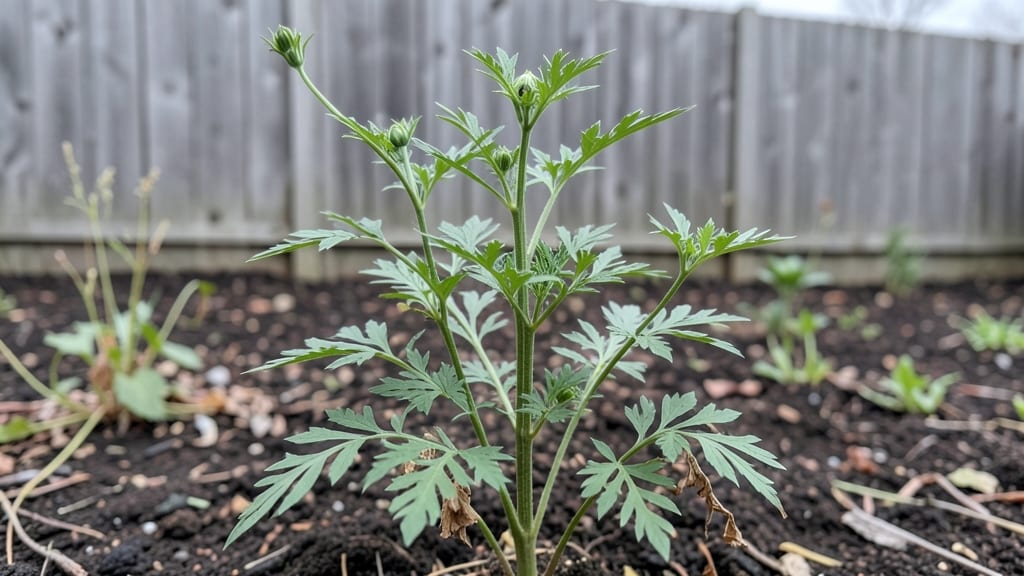
If your cosmos not flowering despite tall stems, the fix is simpler than you’d think—just three tweaks can coax blooms in weeks. The first time I grew cosmos, I blamed myself for failing to coax blooms, only to realize I was overwatering and shading them.
These delicate plants need sunlight, space, and just enough fertilizer to avoid getting lazy.
Most gardeners overlook the basics: cosmos thrive in full sun (6+ hours daily) and well-draining soil. If your plants stretch toward the sky like they’re reaching for a hug, they’re begging for more light.
Cut back on watering too—soggy roots send energy downward, not upward where flowers form. And here’s the kicker: cosmos hate rich soil. Too much nitrogen makes them grow leaves instead of blooms.
Pruning is your secret weapon. Pinch back the tips of young stems to encourage bushier growth, and deadhead spent blooms to redirect energy. Within 2-3 weeks, you’ll see new buds forming.
The payoff? A cloud of vibrant pink, white, or orange blooms that attract pollinators all season. It’s not magic—just giving these easygoing plants what they truly need.
Works for both garden beds and containers, and the same rules apply whether you’re in Zone 5 or 10. Once you nail these three steps, your cosmos will bloom like they’re in a botanical garden—without the fuss. Let’s get those stems producing!
Root Causes Behind Stubborn Cosmos
Cosmos plants are known for their vibrant blooms and easygoing nature, but when they refuse to flower, it’s usually a sign that something fundamental is off. Understanding the why behind the problem is the first step to bringing those cheerful daisy-like blooms back.
Below, we break down the most common reasons your cosmos may be holding out on you—and how to address them.
Cosmos plants thrive in full sun, and light deprivation is one of the top reasons they skip flowering. These sun-loving annuals need 6 to 8+ hours of direct sunlight daily to trigger blooming.
If your cosmos is tucked away in partial shade—whether from nearby trees, buildings, or even dense foliage—they’ll focus on leafy growth instead of producing flowers.
💡 Pro Tip: If your garden is shady, consider relocating your cosmos to a sunnier spot or opt for a raised bed where light isn’t blocked. Even a few hours of morning sun can make a difference!
Cosmos are cool-season plants that prefer moderate temperatures (between 60°F and 75°F). If planted too early in spring (when soil is still cold) or too late in summer (when heat spikes), they may struggle to bloom.
Additionally, late frosts or extreme heat waves can shock the plant, delaying or preventing flowering entirely.
📊 Key Timing:
- Start seeds 4-6 weeks before the last frost for spring blooms.
- Avoid planting in sweltering summer heat (above 85°F)—opt for fall planting in warmer climates.
- Use row covers or shade cloth if temperatures exceed 90°F to protect delicate blooms.
Cosmos are drought-tolerant once established, but watering inconsistencies can throw them off. Overwatering leads to root rot and nutrient deficiencies, while underwatering stresses the plant, diverting energy away from flowering. The sweet spot? 1-1.5 inches of water per week, delivered at the soil level (not the leaves) to avoid fungal issues.
✨ Watering Hack:
- Let the top 1-2 inches of soil dry out between waterings to encourage deeper root growth.
- Avoid wet foliage—water early in the day so leaves dry quickly.
- Mulch around the base to retain moisture and regulate soil temperature.
Cosmos don’t need heavy feeding, and excess nitrogen (common in lawn fertilizers or over-fertilized soil) promotes lush foliage at the expense of flowers. If your soil is rich in nitrogen, the plant will prioritize leafy growth over blooms. Instead, cosmos prefer balanced or low-nitrogen fertilizer (like a 5-10-10 ratio) or compost for gentle nutrition.
🎯 Fix It Fast:
- Do a soil test to check nitrogen levels.
- Switch to a phosphate-rich fertilizer (like bone meal) to encourage flowering.
- Avoid fresh manure, which can burn roots and overfeed nitrogen.
Cosmos need space to breathe. When planted too closely together or surrounded by dense, competitive plants, they compete for sunlight, water, and nutrients, leading to weak stems and fewer flowers. Poor airflow also increases the risk of powdery mildew, a fungal disease that weakens the plant.
🔥 Spacing Rules:
- Plant cosmos 12-18 inches apart in rows or clusters.
- Thin seedlings to avoid root competition.
- Prune nearby overgrown plants to improve airflow.
While cosmos are generally pest-resistant, aphids, spider mites, or fungal infections (like powdery mildew) can sap the plant’s energy, preventing it from flowering. Chewed leaves or white powdery residue are red flags that your cosmos is fighting an unseen battle.
🛡️ Defense Plan:
- Spray neem oil or insecticidal soap on affected leaves.
- Remove infected foliage immediately to prevent spread.
- Ensure proper spacing and airflow to deter fungal growth.
Now that you know the why, the next step is action! Adjusting light, water, or nutrients can often coax those blooms back in no time. 🌸
Revive your cosmos blooms naturally
If your cosmos plants are stubbornly refusing to flower, don’t despair—there’s always a way to turn things around! Below are practical, step-by-step solutions tailored to the most common causes, along with prevention tips to keep your cosmos thriving. Let’s get those vibrant blooms back in action!
Cause: Cosmos plants need space to grow strong stems and energy for flowering. Overcrowding forces them to compete for nutrients, sunlight, and water, leaving them weak and flowerless.
How to Fix It: 🔥 Thin Out Plants – If your cosmos are planted too closely (less than 12–18 inches apart), gently remove excess seedlings or mature plants. Use clean, sharp shears to avoid damaging roots. 🍳 Repot If Needed – If growing in containers, transplant overcrowded cosmos into larger pots with fresh, well-draining soil. Choose containers with drainage holes to prevent root rot. 👨🍳 Space New Plants Properly – When planting new cosmos, maintain 12–24 inches between each plant, depending on the variety. Dwarf cosmos need less space, while tall varieties thrive with extra room.
Prevention Tip: ✨ Start with the Right Spacing – If planting from seed, sow them thinly or use biodegradable pots to avoid disturbing roots later. A little planning now saves headaches later!
Cause: Cosmos love full sun (6–8+ hours daily). Too much shade or inconsistent sunlight weakens stems and delays—or even prevents—flowering.
How to Fix It: 🔥 Move to a Sunnier Spot – Relocate potted cosmos to a south- or west-facing area where they’ll get maximum sunlight. If in the ground, prune nearby trees or tall plants blocking light. 🍳 Use Reflective Surfaces – Place white reflective mulch or mirrors around the base of your cosmos to bounce extra light onto the plants. 👨🍳 Rotate Pots Regularly – If growing in containers, rotate them every few days so all sides receive even sunlight.
Prevention Tip: 💡 Choose the Right Location Early – Before planting, scout the area for at least 6 hours of direct sunlight. Cosmos won’t tolerate deep shade—save them for sunny spots only!
Cause: Cosmos are drought-tolerant but hate soggy roots or inconsistent moisture. Overwatering or watering at the wrong time can stress plants, while underwatering stunts growth and flowering.
How to Fix It: 🔥 Water Deeply but Infrequently – Instead of daily light watering, give cosmos a deep soak 1–2 times per week, ensuring water reaches the roots (about 1–2 inches deep). 🍳 Water at the Base – Avoid overhead watering (especially in the evening), which can promote fungal diseases. Use a drip irrigation system or watering can with a narrow spout. 👨🍳 Check Soil Moisture – Stick your finger 1–2 inches into the soil. If it’s dry, water; if damp, wait. Cosmos prefer slightly dry conditions between waterings.
Prevention Tip: 🌡️ Mulch to Retain Moisture – Apply 2–3 inches of organic mulch (like straw or wood chips) around the base to keep soil evenly moist without overwatering.
Cause: Too much nitrogen (common in lawn fertilizers) promotes leafy growth at the expense of flowers. Cosmos need a balanced, low-nitrogen fertilizer to encourage blooming.
How to Fix It: 🔥 Switch to a Bloom-Boosting Fertilizer – Use a low-nitrogen, high-phosphorus fertilizer (like 5-10-10 or 10-20-20) to promote flowering. Apply every 4–6 weeks during the growing season. 🍳 Try Organic Options – Mix compost or bone meal into the soil at planting time for a slow-release phosphorus boost. 👨🍳 Avoid Over-Fertilizing – More isn’t better! Follow package instructions—overdoing it can burn roots and reduce blooms.
Prevention Tip: ✨ Test Your Soil – Use a DIY soil test kit to check nutrient levels. If nitrogen is high, amend with sulfur or peat moss to balance it out.
Cause: Deadheading (removing spent flowers) and light pruning can stimulate new flower production and keep cosmos bushy.
How to Fix It: 🔥 Deadhead Regularly – Snip off faded blooms with clean scissors or fingers to redirect energy to new flowers. Do this every few days during peak bloom time. 🍳 Prune Leggy Stems – If stems are too tall and sparse, trim them back by one-third to encourage branching and denser foliage. 👨🍳 Pinch Young Plants – For new seedlings, pinch back the tips when they’re about 6 inches tall to promote bushier growth.
Prevention Tip: 🎯 Stay Consistent – Make deadheading a habit! The more you remove spent blooms, the longer your cosmos will keep flowering.
Final Thought: With these simple, actionable fixes, your cosmos should rebound quickly and burst into color. Remember, patience is key—some varieties take a few weeks to respond, but once they do, you’ll have a sea of blooms to enjoy! 🌸💐
Frequently asked questions
Why are my cosmos growing tall stems but no flowers?
Your cosmos are likely getting too much nitrogen or not enough sunlight. These plants prioritize leafy growth when they have excess nutrients or shade. Move them to a sunny spot (6+ hours of direct light daily) and switch to a low-nitrogen, bloom-boosting fertilizer like 5-10-10. This redirects energy to flower production instead of foliage.
Can I fix leggy cosmos stems to encourage blooms?
Prune back the tallest stems by one-third to encourage bushier growth. For young plants, pinch off the tips when they reach 6 inches to stimulate branching. This creates more nodes where flowers can form. Deadhead spent blooms regularly to keep the plant focused on new growth.
How often should I water cosmos to get them to flower?
Water deeply 1-2 times per week, letting the top 1-2 inches of soil dry out between waterings. Overwatering stresses cosmos and prevents blooming, while underwatering stunts growth. Always water at the base (not leaves) to avoid fungal issues that can weaken the plant.
Will moving my potted cosmos to more sunlight help them bloom?
Yes! Cosmos need full sun (6-8+ hours daily) to trigger flowering. If your potted cosmos are in shade, relocate them to a south- or west-facing spot immediately. For containers, rotate them every few days to ensure even light exposure on all sides.
What should I do if my cosmos leaves look yellow?
Yellow leaves usually indicate overwatering or nutrient imbalance. Let the soil dry out completely between waterings and test for high nitrogen levels. Switch to a phosphate-rich fertilizer (like bone meal) to encourage blooms. If the yellowing is severe, check for root rot by gently lifting the plant.