
Flowers
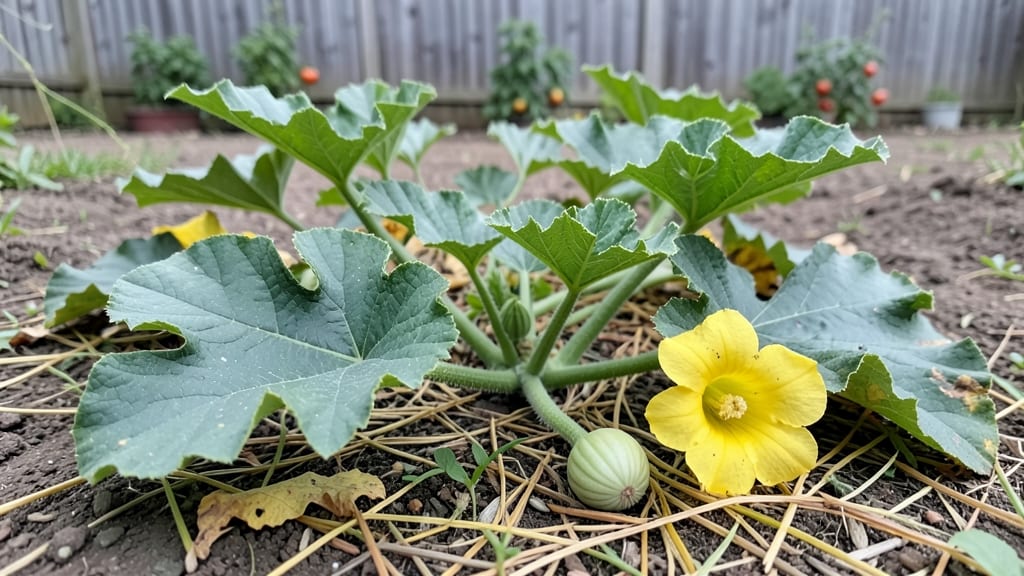
Cooked squash flowers offer a delicate, nutty flavor and crisp bite that elevates Mediterranean and Asian dishes. Lightly blanching or sautéing preserves their tenderness, making them ideal for soups, stuffed recipes, and pasta dishes.
These edible blooms bring more than just visual appeal—their subtle earthiness and slight sweetness make them a standout ingredient. 🌸 Unlike common edible flowers like nasturtiums, which often add a peppery kick, squash flowers deliver a refined, almost mushroom-like depth that pairs beautifully with garlic, lemon zest, and fresh herbs.
I’ve found they work especially well in creamy soups or as a delicate garnish for seafood dishes, where their texture adds a satisfying crunch.
When cooking, timing is key. Overcooking turns their delicate petals rubbery, so a quick 2-3 minute sauté in olive oil or a 30-second blanch in boiling water is ideal.
For stuffed recipes, try pairing them with herbed goat cheese or spiced rice for a fusion of flavors that feels both rustic and elegant.
💡 In This Article
- Nutritional and Flavor Profile of Cooked Squash Flowers
- 3 Creative Squash Flower Dishes Beyond Fritters
Nutritional and flavor profile of cooked squash flowers
The delicate flavor of cooked squash flowers comes from their unique mineral profile and natural sweetness. These flowers contain trace amounts of potassium, magnesium, and calcium—minerals that contribute to their slightly earthy, almost nutty taste.
Their petals also have a subtle sweetness from natural sugars (around 1-2% by weight), which caramelizes slightly when cooked, enhancing their depth. This makes them taste distinctly different from other edible flowers like violets (which are floral and mild) or nasturtiums (which have a peppery kick). 🔥
Nutritionally, squash flowers are a powerhouse compared to many edible flowers.
A 100-gram serving contains approximately 3 grams of protein (higher than violets, which have 1 gram), 2.5 grams of fiber (similar to nasturtiums but more than roses), and significant amounts of vitamins A (15% DV) and C (20% DV).
The vitamin A content comes from carotenoids in the petals, which also contribute to their vibrant color. Their fiber content adds a satisfying crunch when cooked lightly, unlike delicate flowers like pansies, which become mushy.
Texture plays a crucial role in their appeal. When blanched or sautéed for just 2-3 minutes, the petals maintain a crisp, almost papery bite that contrasts beautifully with creamy sauces or soft pasta.
Overcooking collapses their structure, turning them rubbery—a common mistake when using them in dishes. This texture makes them ideal for garnishes or stuffed recipes, where their contrast adds dimension. 💫
Comparing them to other edible flowers highlights their versatility. Nasturtiums, for example, have a sharp peppery flavor that works well in salads but can overpower delicate dishes. Violets, while sweet and floral, lack the mineral depth of squash flowers.
The latter’s ability to absorb flavors (like garlic or lemon) without dominating makes them a secret weapon in Mediterranean cuisine, where they’re often used in risottos or stuffed with herbed cheese. Their flavor profile bridges the gap between vegetables and flowers, making them a unique culinary ingredient.
What most people don’t realize is how their nutritional benefits extend beyond vitamins. The fiber in squash flowers aids digestion, and their low calorie count (25 calories per 100 grams) makes them a guilt-free addition to meals.
Pairing them with high-fat ingredients (like olive oil or cheese) actually enhances their flavor, as the fat helps carry their subtle earthy notes. This is why they shine in creamy soups or pasta dishes—where their texture and taste complement richer components without competing. ✨