
Blooming
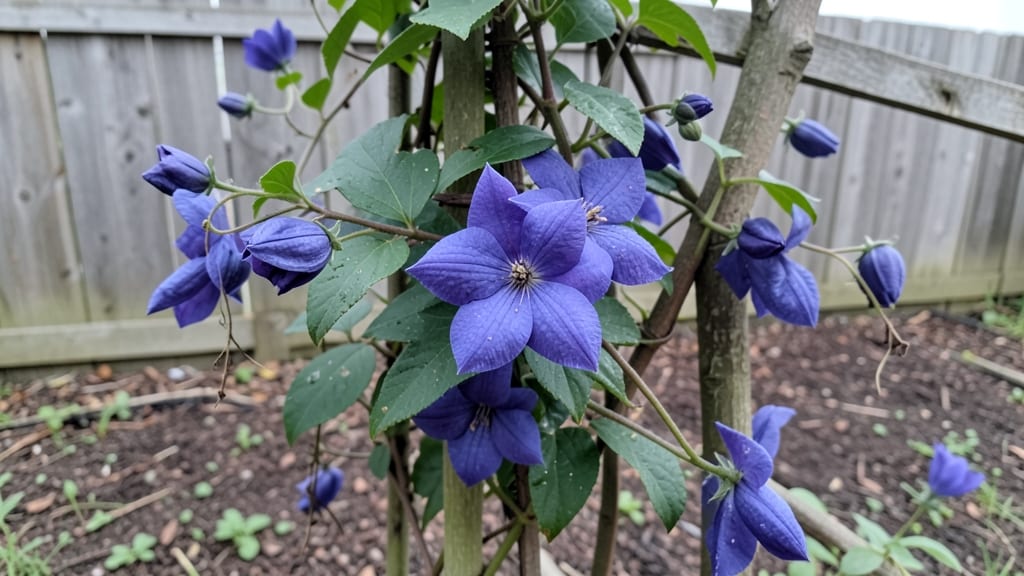
Understanding your clematis flowering time means never missing another burst of color. 🌸 The secret lies in knowing which pruning group your vine belongs to—early bloomers like 'Jackmanii' need a different approach than late-season stars like 'Nelly Moser.'
I've spent years watching these vines dance through the seasons, and the timing makes all the difference between a sparse show and a garden full of blooms.
Most clematis bloom in three waves: early spring, midsummer, and late summer/fall. The key is pruning after each flush—cutting back just enough to encourage the next round without sacrificing next year's flowers.
Your climate plays a role too; cooler zones might need winter protection, while hotter areas need shade during peak summer heat. I've even seen late-season bloomers push new flowers right up until frost if given the right care.
With the right pruning schedule, you'll end up with vines heavy with blooms from May through October. The flowers transform from tight buds to velvety petals that catch every breeze, and the fragrance lingers long after the blooms fade.
Even my first attempt—where I pruned at the wrong time—ended with a second flush of flowers by midsummer, proving how resilient these plants can be.
This system works for trellises, arbors, or even ground covers, adapting to your space and sunlight. Whether you're dealing with a new vine or a veteran climber, the principles stay the same. Let's get those blooms going strong all season long.
📚 In This Guide
- What you need
- Instructions
- Tips and common mistakes
- Wrapping up and next steps
What you need
- ● Bypass pruners – Sharp, clean, and disinfected (1 pair, 8-10" blades). Pro tip: 💡 Use rubbing alcohol or bleach solution (1:9) between cuts to prevent disease!
- ● Loppers – For thicker stems (1 pair, 12-18" blades). Choose ratcheting models for easier cutting.
- ● Garden gloves – Heavy-duty, cut-resistant (1 pair). Thorns are no joke! 🌡️
- ○ Disposable pruning bags – 1-2 gallon size (for debris disposal). Optional but highly recommended for cleanliness.
- ● Pruning saw – Only if dealing with extremely thick stems (1, 10-12" blade).
- ● Pruning calendar – Printed or digital (free templates available online!). Must-have for timing cuts correctly.
- ○ Garden twine or zip ties – For supporting weak stems (1 roll). Optional but game-changing for post-pruning care! ✨
- ● Fertilizer (balanced 10-10-10 or clematis-specific) – 1 lb bag. Apply after pruning for a nutrient boost.
- ● Mulch (organic, like shredded bark) – 2-3 inches thick. Helps retain moisture and regulate soil temp.
- ● Spray bottle with water – For rinsing pruners between cuts (small, 16oz). Keeps tools clean and bacteria-free.
Instructions for pruning clematis to maximize flowering
Here's how I time clematis pruning to guarantee vibrant blooms all season.
🌿 Step 1: Identify Your Clematis Group for Pruning
First, determine your clematis type because pruning timing varies dramatically. Group 1 (early spring bloomers like 'Jackmanii') needs no pruning—just remove dead wood in late winter. Group 2 (repeat bloomers like 'Nelly Moser') gets light pruning after first flush. Group 3 (late bloomers like 'Henryi') gets hard pruning in early spring.
I always check the flower color first—early bloomers tend to have deeper purples or blues, while late bloomers often show lighter pinks or whites. This visual cue helps me confirm the group. Real talk: If you're unsure, take a photo and compare with online guides before cutting anything.
✂️ Step 2: Prune Group 3 Clematis in Early Spring
For Group 3 varieties, prune in late winter or early spring before new growth begins. Cut back stems to 12-18 inches above ground level, just above a strong pair of buds. This aggressive pruning encourages lush, late-season blooms. I always sterilize my pruners with rubbing alcohol first to prevent disease spread.
Wait until after the last frost date but before leaves appear. You'll see new shoots emerging from the base—this is your signal to stop pruning. Never prune when stems are frozen or when buds are already swelling, as you'll cut off potential blooms.
🌱 Step 3: Light Prune Group 2 After First Flowering
Group 2 clematis blooms twice—once in spring and again in summer. After the first flush, wait until flowers fade completely before pruning. Cut back one-third of the oldest stems to the first strong pair of buds. This maintains balance and encourages the second bloom cycle.
I like to do this in early summer, around June 1st in most climates. Watch for the first flowers to open fully, then wait 2-3 weeks after they've finished blooming. You'll see spent blooms turning brown and crispy—this is your cue to prune.
⏰ Step 4: Deadhead and Support Throughout the Season
Regular deadheading keeps clematis blooming continuously. Pinch off spent blooms with clean fingers or pruners, cutting just above the next set of leaves. I do this every 7-10 days during peak bloom season to encourage new flowers.
Support your vines with a sturdy trellis or wires—clematis needs this to climb properly. You'll see new shoots growing vigorously in spring, so install supports before growth begins. Too often, gardeners wait until vines are already climbing and struggle to attach them properly.
☀️ Step 5: Autumn Cleanup for Next Year's Blooms
In late autumn, remove all dead or diseased stems completely. Cut back healthy stems to 6-12 inches above ground level, depending on your variety. This prevents pests and diseases from overwintering. I always clean up fallen leaves around the base too—they can harbor fungal spores.
Leave any remaining stems that look healthy until spring. You'll notice some stems may still have buds—these will produce next year's flowers. Mulch around the base with 2-3 inches of organic mulch to protect roots from winter temperature swings.
Tips & tricks for perfect clematis pruning
Timing is everything when it comes to pruning clematis—and these insider tips will help you maximize those stunning blooms all season.
Group Identification: I can't stress enough how critical it is to know your clematis group before you cut. Group 1 varieties like 'Jackmanii' bloom only once in spring, so you'll ruin next year's flowers if you prune them. For these, simply remove any dead wood in late winter—no further pruning needed. The color of your flowers is your best clue: deep purples and blues usually indicate Group 1, while lighter pinks often mean Group 2 or 3.
Pruning Timing Secret: The window for Group 3 pruning (late winter/early spring) is narrow—you want to cut before new growth begins but after the last frost. I always check my local frost date calendar and mark it on my gardening planner. If you prune too early and stems are still frozen, you'll cut off potential blooms. If you wait too long, you'll be removing growth that could've become next year's flowers. Look for those first tiny shoots emerging from the base—that's your stop signal.
Deadheading Strategy: Regular deadheading every 7-10 days during peak bloom season is what keeps clematis producing flowers continuously. I use clean fingers rather than pruners for this—it's faster and prevents spreading disease. Always cut just above a set of leaves (not in the middle of a stem) to encourage new growth from that node. And here's a pro tip: if you see buds forming along the stems after deadheading, you're doing it right—the plant is responding by producing more flowers.
Support System: Install your trellis or support wires BEFORE the new shoots appear in spring. I've seen too many gardeners struggle to attach vines after they've already grown too long. Use flexible wire or soft ties that won't damage the stems as they grow. The support should be sturdy enough to handle the weight of mature vines and flowers, especially after rain when everything gets heavier. Think of it like building a frame for a house—you wouldn't wait until the walls were up to add the foundation!
Pro Tips for Clematis Flowering Time
- Timing is everything when it comes to pruning clematis—and these insider tips will help you maximize those stunning blooms all season.
- Group Identification: I can't stress enough how critical it is to know your clematis group before you cut.
- Pruning Timing Secret: The window for Group 3 pruning (late winter/early spring) is narrow—you want to cut before new growth begins but after the last frost.
Frequently asked questions
Got questions about clematis flowering time? You’re not alone! Whether you’re a new gardener or a seasoned pro, timing can be tricky. Here are answers to the most common questions to help you keep your clematis blooming beautifully all season.
When do clematis flowers typically bloom, and how long do they last?
Clematis blooms vary by type: Group 1 (early spring), Group 2 (late spring to early summer), and Group 3 (summer to fall). Most flowers last 2–3 weeks per flush, but with proper pruning, you can encourage multiple blooming cycles. For example, Group 3 varieties like 'Jackmanii' often rebloom from summer into autumn!
Why isn’t my clematis flowering this year?
Several factors can delay blooms: over-pruning (cutting back too late in the season), poor sunlight (they need 6+ hours of sun), nutrient deficiencies (feed with phosphorus-rich fertilizer in spring), or dormant buds freezing. Check your pruning group and timing—some varieties need minimal cuts, while others thrive with aggressive trims!
Can I make my clematis rebloom if it only flowers once?
Yes! For Group 1 (spring-only bloomers), prune lightly in early spring to avoid cutting off next year’s buds. For Group 2 and Group 3 (rebloomers), deadhead spent flowers and prune after the first flush to encourage a second round. Use a balanced fertilizer mid-season to support new growth.
Does cold weather affect clematis flowering time?
Cold-hardy clematis (zones 4–9) often bloom later in cooler climates, but late frosts can damage buds. Plant in a sheltered spot, mulch heavily in winter, and avoid heavy pruning until after the last frost. Some varieties, like 'Niobe,' are frost-tolerant and may bloom earlier in mild winters.
Are there clematis varieties that bloom year-round?
No variety blooms truly year-round, but Group 3 clematis (like 'Durandii' or 'Perle d’Azur') come close, with staggered blooms from summer to frost. Pair them with Group 2 varieties (e.g., 'The President') for a near-continuous display. Combine with spring-blooming Group 1 types for a full-season show!
Wrapping up and next steps
Understanding your clematis’ flowering time and pruning needs is the key to a stunning, year-round display of color! Whether you’re a seasoned gardener or just starting, the right timing and techniques will keep your vines thriving.
Now that you’re armed with a pruning calendar and answers to common questions, it’s time to roll up your sleeves and give your clematis the care it deserves.
🌸 Next steps:
- Mark your calendar with the pruning dates tailored to your clematis group.
- Grab your pruners and get ready to shape those vines—your garden will thank you!
- Watch in awe as your clematis bursts into season-long blooms!