
Shrubs
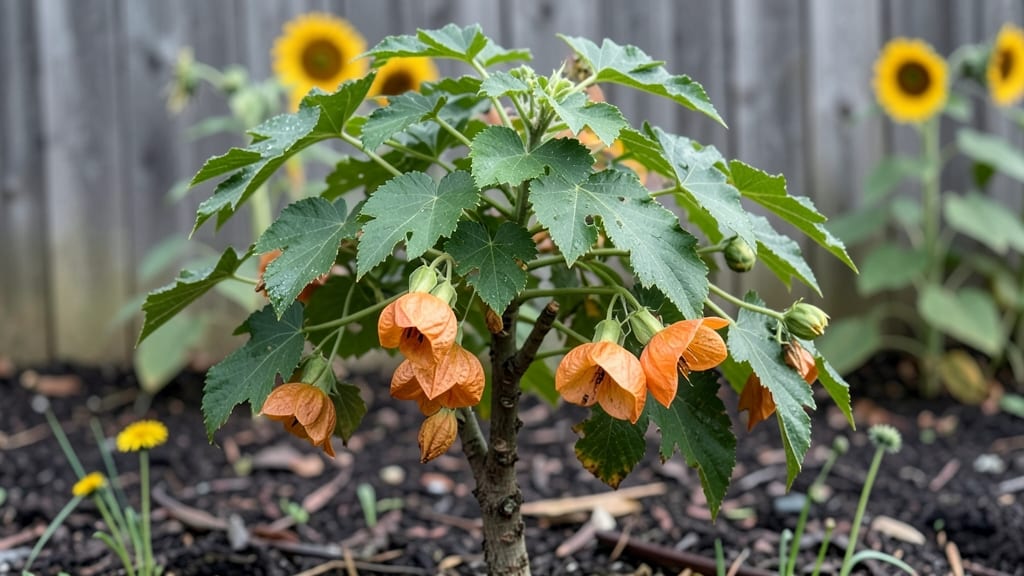
Growing Chinese lantern flowering maple transforms any garden into a sunburst of color. ✨ This sun-loving shrub thrives with minimal fuss, offering striking lantern-shaped blooms that last from summer through fall—and even into winter in warmer climates.
My first plant exploded with red-orange flowers by mid-July, and the show continued until frost, with zero deadheading required.
The secret to happy plants is simple: full sun, well-draining soil, and occasional watering once established. Unlike fussy shrubs, this one tolerates drought once rooted, making it perfect for busy gardeners.
Start with a 5-gallon container for young plants, or direct-sow seeds in spring after the last frost—just keep them warm until germination (around 70°F).
Pruning keeps it lush and encourages more blooms. Cut back leggy stems in early spring, and trim spent flowers in late fall to shape the plant. The result? A compact, bushy shrub with vibrant foliage that turns fiery in autumn, creating drama year-round. Even my black thumb can't kill these.
Use it as a standalone specimen, in containers for patios, or mixed with other sun-lovers like lavender or ornamental grasses. Just avoid placing it where it’ll be shaded by taller plants—this sunburst needs its spotlight to shine. Ready to add some drama to your garden?
📚 In This Guide
- What you need
- Instructions
- Tips and common mistakes
- Wrapping up and next steps
What you need
- ● Chinese Lantern Flowering Maple: 1 nursery-grown plant (3–5 gallons, mature size: 3–6 ft tall/wide) or
- ● Seeds (start indoors 8–10 weeks before last frost) or
- ● Rooted cuttings (from a healthy, mature plant)
- ● Well-draining potting mix: 50% garden soil + 50% compost or peat moss (avoid heavy clay).
- ● Container (if potted): 15–20 gallon pot with drainage holes (or in-ground planting spot with full sun to partial shade).
- ● Garden tools: Trowel, pruning shears, gloves, and a watering can or hose with a gentle spray nozzle.
- ○ Optional (but helpful): Mulch (2–3 inches of shredded bark or pine needles to retain moisture).
- ● Slow-release fertilizer (balanced 10-10-10 or acidic 8-3-9 for tropical varieties).
- ● Support stake (if planting in windy areas).
Step-by-Step guide to planting and caring for Chinese Lantern flowering maple
This striking shrub thrives with minimal fuss once you nail these key steps.
🌱 Step 1: Choose the Perfect Planting Site
The Chinese Lantern (Abutilon) demands full sun to partial shade for best foliage color and flowering. I always pick a spot with at least 6 hours of direct sunlight daily, though it tolerates morning sun with afternoon shade in hotter climates. The soil should drain well—this plant rots quickly in soggy conditions.
Dig a hole twice as wide as the root ball but only as deep as the container it came in. Loosen the sides of the hole with a garden fork to encourage root spread. Here's the thing—amend heavy clay soil with 2-3 inches of compost mixed into the bottom of the hole to improve drainage and fertility.
💧 Step 2: Plant and Water Deeply
Remove the shrub from its container and gently tease apart any circling roots. Place it in the hole so the top of the root ball sits 1 inch below the surrounding soil level—this prevents stem rot from settling too low. Backfill with native soil, pressing lightly to eliminate air pockets.
Water deeply right after planting—about 1 gallon per foot of plant height—until moisture reaches 6 inches down. You'll know it's enough when water pools on the surface and drains away within 10-15 minutes. Mulch with 2-3 inches of shredded bark around the base, keeping it 3 inches away from the stem to prevent rot.
☀️ Step 3: Maintain Year-Round Care
Water 1-2 times weekly during the first growing season, then taper to once every 10-14 days once established—this shrub stores moisture well. Check soil moisture by sticking your finger 2 inches deep; water only when dry. Overwatering causes yellow leaves and stunted growth, so resist the urge to keep soil constantly damp.
Fertilize once in early spring with a balanced 10-10-10 formula (use ½ cup per foot of plant height). I skip summer feeding—too much nitrogen encourages leafy growth over those prized lantern-shaped flowers. Prune late winter or early spring before new growth begins, cutting back 1/3 of the oldest stems to the ground to encourage bushier, more vibrant foliage.
✂️ Step 4: Prune for Shape and Flower Power
Shape the shrub after flowering in late summer by trimming back leggy stems to just above a leaf node. This ensures next year's blooms appear on new growth. I always use clean, sharp pruners to avoid tearing bark—diseases lurk in jagged cuts. Remove any dead or crossing branches first; they compete for nutrients and weaken the plant.
For a fuller look, pinch back new growth tips in early summer. You'll see bushier branches develop within 4-6 weeks. Real talk: If you skip pruning, the shrub grows tall and leggy, with flowers clustered at the top. Regular shaping keeps it compact and flower-filled from top to bottom.
🪴 Step 5: Protect in Harsh Winters
Young plants need winter protection in zones colder than Zone 7. Wrap the base with burlap or frost cloth and mound 4-6 inches of mulch around the root zone. Older shrubs handle frost better but may lose leaves—don't panic. New growth emerges 2-3 weeks after last frost, and the plant rebounds beautifully.
Watch for late winter dieback—it's normal. The Chinese Lantern often looks dormant until mid-spring, when fresh leaves burst from the stems. If you see blackened stems, cut them back to healthy tissue. This shrub is tough; it bounces back from winter damage like a champ.
Tips & tricks for perfect Chinese Lantern flowering maple growth
Between us, these simple tricks will help your Chinese Lantern thrive with less effort and more spectacular blooms.
Soil Preparation Secret: Before planting, test your soil's drainage by digging a hole and filling it with water. If it doesn't drain within 10-15 minutes (just like Step 2 instructions), you'll need to amend with more compost or create a raised bed. I've seen this plant struggle in heavy clay—don't make my mistake! The 2-3 inches of compost in Step 1 isn't just about fertility; it's your insurance policy against soggy roots.
Watering Wisdom: The 1 gallon per foot measurement in Step 2 might seem generous, but trust me on this—this shrub stores moisture better than most. After the initial deep watering, let the top 2 inches of soil dry completely before watering again. I've had gardeners overwater and end up with yellow leaves and stunted growth. Think of it as giving your plant a drink rather than a bath.
Pruning Precision: When you're cutting back 1/3 of the oldest stems in Step 3, make your cuts just above a leaf node where new growth emerges. This isn't just about aesthetics—it's about encouraging your plant to put energy into new, flower-producing branches. I always sanitize my pruners with rubbing alcohol between cuts to prevent disease spread. Those 4-6 weeks after pinching new growth tips are critical for bushier development.
Winter Protection Hack: For Zone 7 and colder, I take winter protection a step further by adding a layer of straw mulch over the 4-6 inches of shredded bark. This double-layer insulation helps prevent freeze-thaw cycles that can damage roots. The 2-3 weeks after last frost is when you'll see the real magic happen—new growth emerges like clockwork if you've given it proper winter care.
Pro Tips for Chinese Lantern Flowering Maple
- Between us, these simple tricks will help your Chinese Lantern thrive with less effort and more spectacular blooms.
- Soil Preparation Secret: Before planting, test your soil's drainage by digging a hole and filling it with water.
- Watering Wisdom: The 1 gallon per foot measurement in Step 2 might seem generous, but trust me on this—this shrub stores moisture better than most.
Frequently asked questions
Got questions about the Chinese Lantern Flowering Maple? You’re not alone—this stunning shrub sparks curiosity! Below, we tackle the most common queries to help you grow and enjoy its fiery foliage with confidence.
How fast does a Chinese Lantern Flowering Maple grow?
The Abelia × grandiflora ‘Chinese Lantern’ grows at a moderate pace, typically adding 12–18 inches per year under ideal conditions. With proper care—sunlight, well-draining soil, and occasional pruning—it can reach 6–8 feet tall and wide in 3–5 years. Patience pays off for those vibrant red-orange berries!
When does it bloom, and how long do the flowers last?
This shrub puts on a show twice a year! Expect white, tubular flowers in late spring (May–June), followed by a second flush in fall (September–October). Each bloom lasts 2–4 weeks, but the real magic is the year-round interest—glossy green leaves, fiery berries, and even winter color in some varieties.
Is this shrub cold-hardy? What zones does it tolerate?
The Chinese Lantern Flowering Maple thrives in USDA Hardiness Zones 6–9, making it a low-maintenance star for most U.S. gardens. It handles down to -10°F (-23°C) but may need mulch protection in Zone 6 during harsh winters. In warmer zones (8–9), it’s drought-tolerant once established—just avoid soggy soil.
Can I prune it heavily? Will it lose its shape?
Yes, but strategically! Light pruning after flowering (summer) encourages bushiness, while hard pruning in late winter (before new growth) keeps it compact. Avoid over-pruning—this shrub naturally forms a rounded, multi-stemmed habit. If you cut too aggressively, it may revert to a leggy form, but it’ll bounce back with time.
What are some great alternatives if I can’t grow this shrub?
If your climate or space doesn’t suit the Chinese Lantern Maple, try these equally dramatic shrubs with year-round interest:
- Dwarf Fothergilla (Fothergilla gardenii) – White spring blooms, fiery fall foliage, and fragrant winter stems.
- Oakleaf Hydrangea (Hydrangea quercifolia) – Large leaves, summer blooms, and peeling cinnamon bark in winter.
- Winterberry Holly (Ilex verticillata) – Bright red berries (male plants needed for fruit) and glossy evergreen leaves.
- Smoke Bush (Cotinus coggygria) – Smoky purple plumes and golden fall color.
Wrapping up and next steps
The Chinese Lantern Flowering Maple is a true garden superstar—packed with vibrant foliage, striking autumn colors, and a unique lantern-like seed pod that adds winter intrigue. Whether you’re drawn to its sunburst leaves, its adaptability, or its low-maintenance charm, this shrub delivers drama all year long.
Ready to transform your landscape? Start by selecting the perfect spot, gathering your supplies, and planting with confidence—your garden’s next showstopper is just a few steps away! 🌟
Pro Tip: Snap a photo of your planting site before you begin—it’ll make the process even smoother! 📸