
Flowers
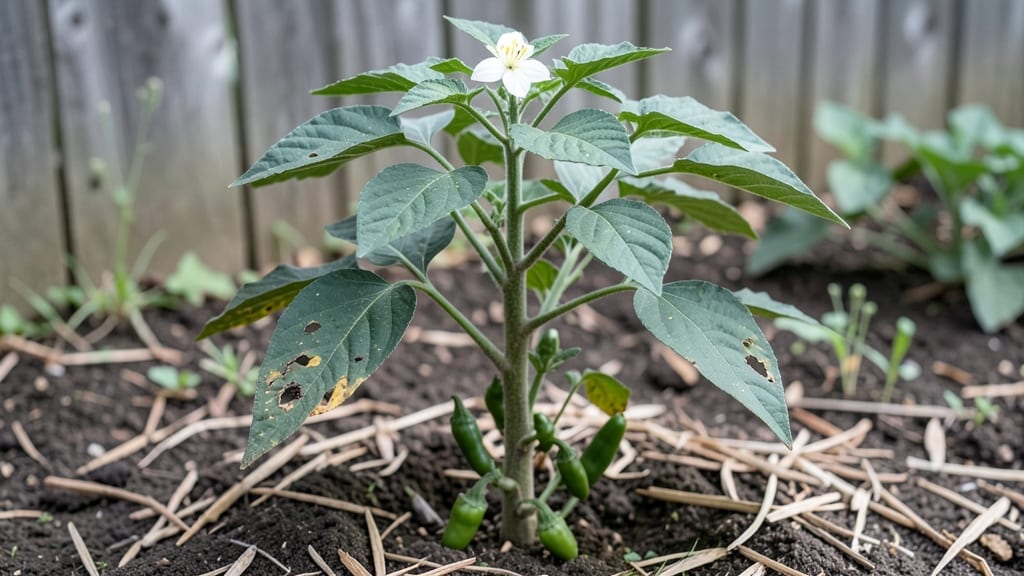
Growing cayenne pepper flowers 🌶️ is your ticket to a spice garden that starts with delicate white blooms and ends with fiery harvests.
Did you know the fiery cayenne pepper starts life as a delicate white flower that transforms into the spicy pods we love? Growing cayenne pepper flowers isn't just about cultivating heat—it's about mastering a 90-day journey from seed to vibrant blooms that attract pollinators while packing a punch.
In Zone 6a, timing is everything—planting in April after the last frost gives your cayenne peppers the full sun and warmth they crave to produce those showy white flowers.
You'll learn how to coax more blooms with the right watering, sunlight, and even a little pruning trick that doubles your harvest potential.
How to grow cayenne pepper flowers from seed in 90 days
Transforming tiny cayenne pepper seeds into vibrant white flowers that later become fiery pods is one of the most rewarding gardening experiences. With the right timing and care, you can go from seed to blooms in just 90 days, even if you're a beginner.
The secret lies in mimicking the plant's natural tropical environment while working within your climate constraints.
Cayenne peppers thrive in warm soil and full sunlight, but they need patience and precision during the early stages. Unlike many flowers, cayenne blooms are self-pollinating, meaning each flower can produce peppers without cross-pollination.
This makes them perfect for small gardens or containers. Let's dive into the step-by-step process to maximize your chances of success.
Step-by-Step Cayenne Pepper Flower Growth Guide
-
Step 1: Start Indoors 8-10 Weeks Before Last Frost
Sow seeds 1/4 inch deep in seedling trays with sterile potting mix. Use a heat mat to maintain 75-85°F soil temps for faster germination (typically 7-14 days).
-
Step 2: Provide 14-16 Hours of Light Daily
Use grow lights or place near south-facing windows to prevent leggy seedlings. Keep seedlings 1-2 inches from light source to avoid burning.
-
Step 3: Harden Off Seedlings 1 Week Before Transplanting
Gradually expose seedlings to outdoor conditions for 2-3 hours daily, increasing time each day. This builds cold resistance for USDA Zone 6a gardeners.
-
Step 4: Transplant After Soil Reaches 70°F (21°C)
Choose a location with 6-8+ hours of sunlight and well-draining soil (pH 6.0-7.0). Space plants 18-24 inches apart to allow airflow.
-
Step 5: Fertilize with Balanced 10-10-10
Apply 1 tbsp per plant every 4-6 weeks during growing season. Avoid high-nitrogen fertilizers, which promote leafy growth over flowers.
-
Step 6: Water Deeply in the Morning
Keep soil consistently moist but never soggy. Water at soil level to prevent disease from wet foliage. Mulch around plants to retain moisture.
-
Step 7: Prune for Better Airflow
Remove lower leaves to prevent soil-borne diseases. Trim back overly leggy growth to redirect energy to flower production.
-
Step 8: Encourage Pollination
Gently shake plants or use a soft paintbrush to transfer pollen between white flowers. Attract bees and butterflies with nearby pollinator-friendly plants.
-
Step 9: Harvest Flowers or Peppers at Peak
For flowers, pick when fully open. For peppers, harvest when they reach desired color (typically 75-90 days after transplanting).
One of the most critical factors for cayenne pepper flowers is temperature. These plants originate from tropical regions, so they cannot tolerate frost. If you're in USDA Zone 6a, like much of the Midwest, wait until April 15th (after your last frost date) to transplant seedlings outdoors.
Use black plastic mulch to warm the soil faster and extend your growing season.
While cayenne peppers are relatively low
Cayenne pepper flower varieties and their unique growing requirements
Not all cayenne pepper plants produce the same fiery flowers or heat levels. The Cayenne Long Slim variety, for example, boasts slender white blooms that transition into long, narrow peppers packing 50,000 Scoville heat units.
Meanwhile, the Jalapeño Cayenne Hybrid offers larger flowers with a milder 2,500-8,000 Scoville kick. Understanding these differences helps you choose the perfect variety for your garden's climate and your spice tolerance.
Each cayenne variety demands slightly different care to encourage abundant flowering. Soil pH between 6.0-6.8 is critical, but Jalapeño hybrids tolerate slightly more alkaline conditions than traditional cayennes.
Meanwhile, temperature sensitivity varies—some thrive in 80-90°F heat, while others struggle above 95°F. Let's break down the key varieties and their specialized needs.
For maximum flowering, focus on consistent moisture—especially during bud formation. The Carolina Reaper Hybrid, for instance, needs daily watering during hot spells to prevent flower drop.
I've found that mulching with straw or grass clippings helps maintain even soil moisture while suppressing weeds that compete for nutrients.
Don't overlook the role of pollinators in converting those delicate white flowers into peppers. While cayennes are self-pollinating, a gentle shake of the plants on mild mornings can boost fruit set.
For high-heat varieties like the Carolina Reaper, consider hand-pollinating with a small paintbrush to ensure every flower has a chance to develop into a pepper.
If you're growing cayennes in containers, choose 5-gallon pots minimum for varieties like Cayenne Long Slim. Smaller containers limit root growth and reduce flowering potential.
I've had success using fabric grow bags filled with a mix of coco coir and perlite to improve drainage while retaining moisture for those critical flowering stages.
Remember, the color of mature peppers doesn't always indicate heat level. Some green cayennes can pack just as much punch as their red counterparts. Always check the Scoville rating when selecting seeds, and consider starting with milder hybrids if you're new to growing spicy peppers.