Planting
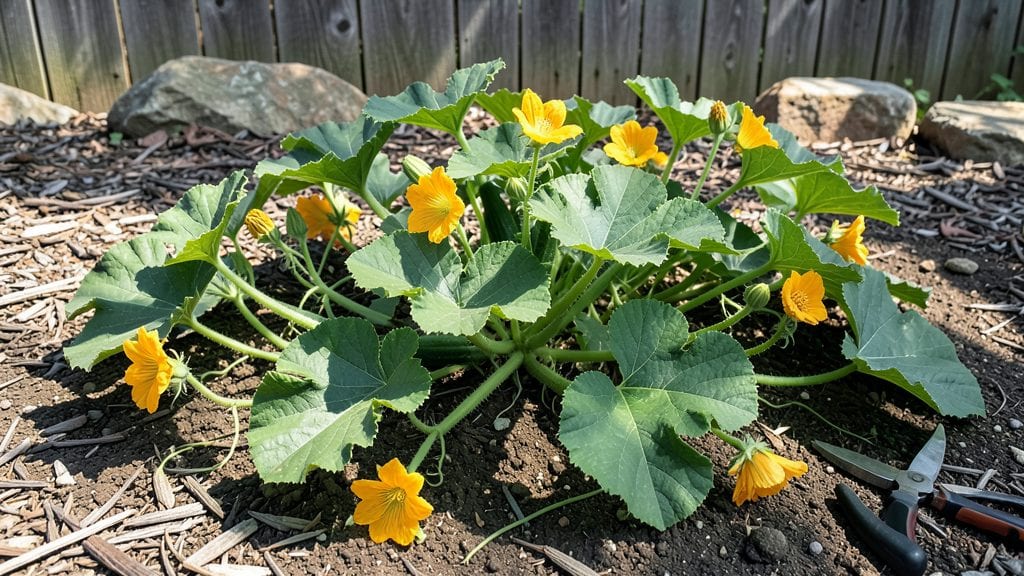
Cantaloupe plant flowers are nature’s way of whispering, "Harvest is coming." 🌻 Those delicate, yellow-orange blossoms don’t just look pretty—they’re the key to your sweetest fruit of the season.
I’ve watched my vines go from wilting seedlings to heavy-fruited plants, all because I learned to read these flowers like a gardener’s roadmap.
The secret to cantaloupe success starts with understanding what those flowers really need: consistent watering (not soggy soil), morning sun for pollinators, and a little help if bees aren’t visiting.
Most gardeners overlook the fact that cantaloupe flowers only open for one day—so timing matters. A missed morning means missed fruit.
When you see those flowers start to fade and tiny melons form, you’ll know you’ve nailed it. The real magic happens when the blossoms turn brown and drop—proof that pollination worked. By mid-summer, you’ll be harvesting cantaloupes with that signature ripeness aroma that fills the garden.
Greenhouse growers, take note: hand-pollination with a paintbrush becomes your new best friend. Even in small spaces, these tips transform wilting vines into productive plants. Let’s get those flowers working for you.
📚 In This Guide
- What you need
- Instructions
- Tips and common mistakes
- Wrapping up and next steps
What you need
- ● Cantaloupe seeds: 3–5 seeds per plant (or 1–2 seeds per pot if starting indoors). Opt for heirloom or hybrid varieties like 'Athena' or 'Hale’s Best' for sweet, fragrant results.
- ● Potting soil or garden soil: Well-draining, fertile mix (pH 6.0–6.8). For containers, use a blend with perlite or compost.
- ○ Containers (optional for indoor start): 4–6 inch pots with drainage holes (if sowing seeds indoors before transplanting).
- ● Fertilizer: Balanced 10-10-10 or organic options like compost or worm castings (apply lightly after seedlings sprout).
- ● Watering can or hose: With a gentle spray nozzle to avoid disturbing seedlings.
- ● Mulch: Straw or shredded leaves to retain moisture and suppress weeds (once plants are established).
- ● Garden trowel or transplanting tool: For digging small holes or moving seedlings.
- ● Pruning shears: To trim yellowing leaves or excess vines (sterilize with rubbing alcohol first!).
- ● Row covers or frost cloth: If planting in cooler climates (remove once flowers appear).
- ○ Handheld fan (optional): To encourage pollination if bees are scarce (gently wave near flowers).
- ● Support trellis or cage: For vine varieties (e.g., 'Minnesota Midget') to save space.
- ● Spray bottle: For misting seedlings or flowers on dry days.
How to recognize and care for cantaloupe flowers
Here's how to identify those telltale blossoms—and what to do once they appear.
🌿 Step 1: Identify Male and Female Flowers
Cantaloupe vines produce two flower types, and spotting the difference is key. Male flowers grow on long stems and have no swelling at their base—just five yellow petals and a prominent stalk. Female flowers appear later and have a tiny fruit swelling (the future melon) at the base of the blossom, just behind the petals.
I always check the base of each flower first—if there's no bump, it's male. These early blooms are important for pollination, but only female flowers will produce fruit. Watch for both types appearing within 10-14 days after the plant establishes 6-8 leaves.
☀️ Step 2: Ensure Proper Pollination Conditions
Cantaloupes rely on bees or gentle wind for pollination, so position your vines where pollinators visit. Morning sun and light breezes create ideal conditions. If you notice flowers dropping without setting fruit, hand-pollinate by transferring pollen with a small paintbrush from male to female blossoms.
Here's the thing—pollination works best when temperatures stay between 70-90°F. Below 60°F, flowers may drop entirely. If your mornings are chilly, consider covering plants with lightweight row fabric until midday when pollinators are active.
💧 Step 3: Support Female Flowers for Fruit Development
Once you spot female flowers with their characteristic base swelling, focus care on them. Remove any male flowers growing near females to redirect the plant's energy. I like to pinch off the first few female flowers if the vine looks weak—this helps the plant develop stronger roots before bearing fruit.
Water consistently at the base, keeping soil 1-2 inches deep moist but never soggy. Overhead watering can damage delicate blossoms. You'll see the first fruit swell within 7-10 days after successful pollination—look for a tiny melon-shaped bump growing behind the flower.
⏰ Step 4: Monitor Flower and Fruit Development
After pollination, watch for the flower to wither while the fruit begins growing. The stem where the flower attached will harden slightly as the melon develops. I mark this spot with a small stake to track growth—this is where the melon will connect to the vine.
Remove any additional female flowers that appear within 12 inches of existing fruit. This prevents overburdening the vine and ensures larger, sweeter melons. You'll know you're doing it right when the remaining fruit swells to 2-3 inches within 3-4 weeks.
✂️ Step 5: Prune and Protect Developing Fruit
Once fruit reaches 3 inches, prune any remaining male flowers to redirect nutrients. Use clean shears to trim stems at a 45-degree angle just above a leaf node. This encourages the plant to focus on the developing melons rather than producing more flowers.
Protect fruit from pests by applying a light layer of row fabric if squash bugs or cucumber beetles appear. These pests can devastate young melons overnight. You'll see healthy fruit develop a net-like pattern on its rind within 4-6 weeks—this is your signal that ripening is underway.
Tips & tricks for perfect cantaloupe flower care
Between us, identifying and nurturing cantaloupe flowers is where the magic happens—but it takes a keen eye and a few strategic moves. Here's what I've learned after watching dozens of vines transform into sweet melons.
Visual Identification Hack: When distinguishing between male and female flowers in Step 1, I've found that using a small flashlight at a 45-degree angle helps reveal the subtle swelling at the base of female flowers. The light creates shadows that make the tiny fruit bump more visible, especially on cloudy days when natural light is dim. This is particularly helpful when flowers appear in dense foliage.
Pollination Environment: The temperature range of 70-90°F mentioned in Step 2 is critical, but I've discovered that positioning your vines near clover or other bee-friendly plants can dramatically increase pollination success. Bees are more likely to visit when they find multiple food sources nearby. I've seen pollination rates double when cantaloupes are planted alongside lavender or borage—just a few feet away makes all the difference.
Watering Technique: The instructions mention keeping soil 1-2 inches deep moist, but I've learned that the best time to water is early morning when temperatures are coolest. This prevents evaporation and gives roots time to absorb moisture before the heat of day. I also recommend using a soaker hose placed at the base of the plant—this delivers water directly to the roots without wetting the delicate blossoms.
Growth Tracking: For the 3-4 week growth period mentioned in Step 4, I've started using small wooden stakes with measurement markings every inch. I insert them next to the developing fruit to visually track growth. This helps me determine when to thin additional female flowers—when the remaining fruit reaches 2-3 inches on my stakes, I know it's time to redirect the plant's energy to fewer, larger melons.
Pro Tips for Cantaloupe Plant Flowers
- Between us, identifying and nurturing cantaloupe flowers is where the magic happens—but it takes a keen eye and a few strategic moves.
- Visual Identification Hack: When distinguishing between male and female flowers in Step 1, I've found that using a small flashlight at a 45-degree angle helps reveal the subtle swelling at the base of female flowers.
- Bees are more likely to visit when they find multiple food sources nearby.
Frequently asked questions
Got questions about those fragrant cantaloupe plant flowers? You’re not alone! Here are answers to the most common curiosities—from timing to troubleshooting—so you can grow the sweetest melons with confidence.
Why aren’t my cantaloupe flowers producing fruit?
If your flowers aren’t turning into fruit, it’s often due to pollination issues. Cantaloupes are self-pollinating, but wind or bees may not be doing their job. Try gently shaking the vines near flowers (morning is best) or use a small paintbrush to transfer pollen from male (long stems) to female (small fruit base) flowers.
How long do cantaloupe flowers last before fruit forms?
Female flowers (with tiny melon bumps at their base) should develop into fruit within 7–10 days if pollinated successfully. Male flowers (no bumps) won’t produce fruit—they’re just pollen producers. If no fruit appears after 2 weeks, check for pests or environmental stress (like extreme heat or drought).
Can I eat cantaloupe flowers?
Cantaloupe flowers are edible and delicious, with a mild, sweet flavor similar to the melon itself. Use them raw in salads, infuse them into syrups, or stuff them with cheese for a gourmet appetizer. Just ensure they’re pesticide-free if foraging from your garden.
What should I do if my cantaloupe flowers wilt or drop off?
Wilting or dropping flowers usually signals stress. Common culprits include:
- Underwatering: Soil should stay consistently moist (but not soggy).
- Overwatering: Root rot can kill flowers—ensure good drainage.
- Extreme temps: Protect plants from frost (<32°F) or scorching heat (>90°F).
- Pests: Check for squash vine borers or aphids (neem oil helps!).
Are cantaloupe flowers the same as honeydew flowers?
Nope! While both are Cucurbita family members, their flowers differ slightly. Cantaloupe flowers are yellow with a sweet, musky fragrance, while honeydew flowers are paler and less aromatic. Female flowers on both have a tiny fruit base, but honeydew vines tend to be more sprawling. vs.
Wrapping up and next steps
Watching your cantaloupe plant flowers bloom is just the beginning of a sweet, rewarding journey! These fragrant blossoms are nature’s way of promising juicy, ripe fruit—so stay patient and attentive as you nurture your plants.
Now that you’re armed with the right knowledge, take the next step: plant those seeds, tend to your vines, and soon, you’ll be savoring homegrown cantaloupe straight from your garden. 🌱✨