
Shrubs
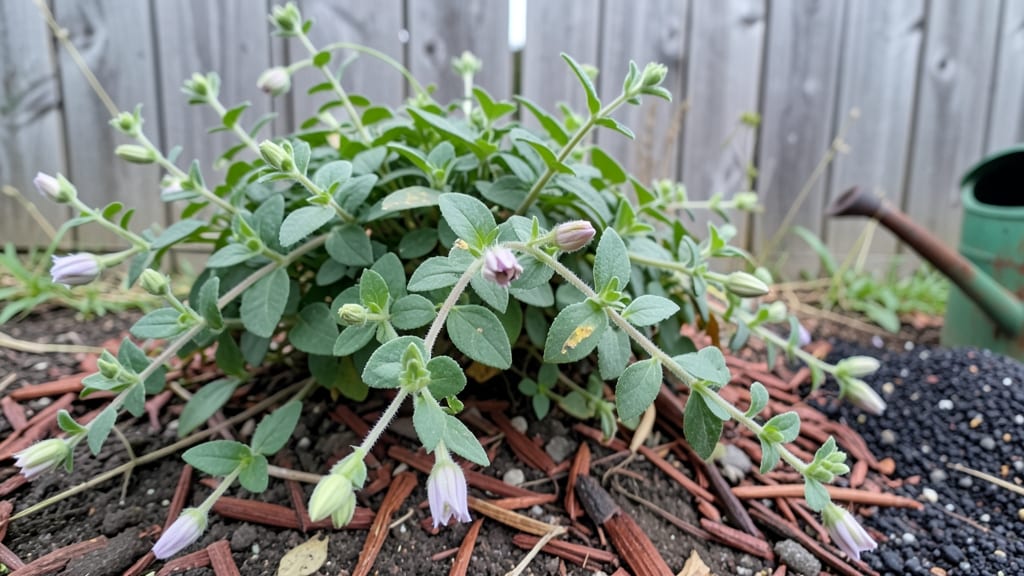
Calibrachoa not flowering? I’ve wrestled with this exact problem—my million bells sat there, all lush green foliage and zero blooms, while my neighbor’s plants were bursting with color. 🌿 The fix isn’t as mysterious as it seems, though.
It usually boils down to three key factors: light, pruning habits, and how you’re feeding those plants.
The first thing to check is sunlight—calibrachoa craves at least 6-8 hours of direct sun daily. If yours is tucked in shade, move it fast. Next, those leggy stems? They’re stealing energy from flowers.
Pinch back the tips to encourage bushier growth, and you’ll see buds forming within weeks. Overwatering or poor drainage can also send plants into survival mode instead of blooming.
Once you adjust light and pruning, give them a balanced fertilizer—high in phosphorus for flowers—not too much nitrogen. I switched to a 10-10-10 formula every 3 weeks, and within a month, my plants were covered in blooms.
The secret is consistency: too much, too little, or the wrong nutrients all stall flowering.
Here’s the kicker: calibrachoa rewards quick action. Start with light adjustments, then prune aggressively, and feed right. By summer’s peak, you’ll have those cascading flowers everyone loves—no more sad green stems. Let’s get those blooms back!
Root Causes Of Stunted Blooms
If your calibrachoa (often called "million bells") is putting out lush green foliage but refusing to flower, the culprit is likely one—or a combination—of environmental or cultural stress factors. These plants are finicky but rewarding, and understanding the science behind their floral reluctance helps you fix the issue fast.
Let’s break down the most common reasons why your calibrachoa might be holding back its flowers, along with actionable insights to coax those vibrant blooms back into action.
Calibrachoa are sun-worshippers—they thrive in full sun (6–8+ hours of direct light daily). When deprived of adequate sunlight, they prioritize leaf growth over energy-intensive blooms. Here’s why:
- Photosynthesis slowdown: Low light reduces chlorophyll production, limiting the plant’s ability to convert sunlight into glucose—the fuel for flowers. Without enough energy, the plant defaults to growing leaves instead.
- Hormonal shift: In low-light conditions, the plant’s phytochrome pigments (light-sensitive proteins) trigger a shift toward vegetative growth, suppressing florigen (the flowering hormone).
- Leggy, weak stems: Stretched, spindly growth is a classic sign of light deprivation. These stems are structurally weak and less likely to support heavy flower clusters.
💡 Pro Tip: If your calibrachoa is in a container, move it to a south- or west-facing spot. For in-ground plants, ensure no trees or buildings are casting shade. Partial shade (morning sun + afternoon shade) may work in hot climates, but avoid deep shade—it’s a one-way ticket to no flowers.
Calibrachoa roots hate soggy feet. While they love moisture, excess water disrupts nutrient uptake and oxygen flow, leading to root stress and floral suppression. Here’s the science:
- Oxygen deprivation: Waterlogged soil forces roots to respire anaerobically, producing ethylene (a stress hormone that inhibits flowering).
- Nutrient lockout: Overwatering dilutes soil nutrients, especially phosphorus and potassium—key for bloom production. Too much water also leaches out calcium, which is critical for cell division in flower buds.
- Fungal pressure: Damp conditions breed Pythium or Phytophthora, root-rotting pathogens that weaken the plant, diverting energy away from flowers.
🔥 Fix It:
- Use well-draining soil (amend with perlite or sand if planting in clay).
- Water only when the top 1–2 inches of soil are dry—stick your finger in to check!
- Containers? Ensure pots have drainage holes and empty saucers after watering.
Calibrachoa are tender perennials (annuals in most climates) with a sweet spot of 65–75°F (18–24°C). Push temperatures outside this range, and flowering grinds to a halt. Here’s how extremes sabotage blooms:
| Temperature Issue | Why It Stops Flowers | Solution |
|---|---|---|
| Cold snaps (<50°F / 10°C) | Chilling injury slows metabolic processes, including florigen production. Buds may drop or fail to open. | Use frost cloth in early spring/fall or grow as an annual in warm zones. |
| Heatwaves (>90°F / 32°C) | High temps increase respiration rates, burning through energy faster than photosynthesis can replace it. Flowers bolt (prematurely age) or wilt. | Provide afternoon shade in extreme heat or mulch to keep roots cool. |
| Nighttime temps >75°F (24°C) | Some calibrachoa varieties (like Calibrachoa parviflora) need a cool night to trigger flowering. Warm nights can delay or prevent blooms. | Move pots to a shadier, cooler spot at night if possible. |
Calibrachoa need a balanced fertilizer ratio (e.g., 10-10-10 or 12-12-17), but too much nitrogen is the #1 dietary mistake gardeners make. Here’s how it backfires:
- Leafy monster syndrome: Nitrogen fuels foliage growth, but at the expense of flowers. The plant prioritizes leaves because they’re "cheaper" to produce than energy-intensive blooms.
- Hormonal hijacking: Excess nitrogen increases cytokinins (hormones that promote leaf expansion) while suppressing gibberellins and florigen.
- Weak stems: Rapid leaf growth can’t support flower clusters, leading to dropped buds.
🌡️ Correct the Diet:
- Switch to a low-nitrogen, high-phosphorus fertilizer (e.g., 5-10-10 or a bloom booster like 10-30-20).
- Feed every 2–3 weeks during the growing season (spring–fall).
- Avoid compost-heavy soil—it’s often nitrogen-rich. Use a soilless mix for containers.
Calibrachoa are compact but competitive. When roots or plants are cramped, they compete for resources, and flowering takes a backseat. The science:
- Limited nutrient access: Roots in tight spaces can’t forage efficiently, leading to phosphorus and potassium deficiencies—both critical for flower development.
- Ethylene buildup: Overcrowded roots produce ethylene, a gas that signals the plant to halt flowering and focus on survival.
- Pathogen pressure: Poor air circulation in dense plantings encourages Botrytis (gray mold), which can mummify buds before they open.
🔪 Prune & Repot:
- Thin out overcrowded plants—space calibrachoa 12–18 inches apart.
- For container-grown plants, check for root-bound roots (circling or emerging from drainage holes). Repot into a slightly larger container
Revive Your Calibrachoa’s Bloom
Now that you know why your calibrachoa might be sitting pretty but not producing flowers, let’s tackle the fixes! Each cause has a targeted solution—plus prevention tips to keep those blooms coming. Think of this as your plant’s spa day, but with way more dirt and less cucumber water.
If your calibrachoa is basking in partial shade (or worse, full shade), it’s basically napping its way to zero flowers. These sun-worshippers need 6–8 hours of direct sunlight daily—think morning sun + afternoon shade in hot climates.
How to Fix It: 🔥 Relocate the plant to a sunnier spot ASAP. If repotting isn’t an option, trim nearby trees/shrubs to open up the canopy. 🍳 Boost light artificially with a grow light (LED or fluorescent) if outdoor space is limited. Place it 6–12 inches above the plant for 12–14 hours/day. 👨🍳 Rotate the pot weekly so all sides get even light exposure (prevents lopsided growth).
Prevention Tip: 💡 Plant calibrachoa in full sun from the start—no half-measures! If your garden lacks sun, opt for dwarf varieties like ‘Mini Blackie’ that tolerate slightly less light.
Overwatering or underwatering both stress calibrachoa, halting blooms. These plants love consistent moisture but hate soggy roots or dry spells.
How to Fix It: ⏰ Check soil moisture by sticking your finger 1 inch deep—if it’s dry, water deeply. If it’s muddy, wait 1–2 days. 🥘 Water at the base (not overhead) to avoid fungal issues. Use a self-watering pot or drip irrigation for consistency. 🔪 Improve drainage by adding perlite or sand to potting mix if your calibrachoa sits in waterlogged soil.
Prevention Tip: 🌡️ Mulch with shredded bark or straw to retain moisture and regulate soil temp. Pro tip: Water in the early morning to reduce evaporation.
Deadheading (removing spent flowers) isn’t just for looks—it triggers new blooms by redirecting energy. Plus, calibrachoa grows leggy fast if left unchecked.
How to Fix It: 👨🍳 Deadhead daily (or every other day) by pinching off faded flowers with your fingers or snips. No need for fancy tools—just twist and tug! 🔥 Prune leggy stems back to a leaf node (where leaves meet the stem) to encourage bushier, flower-packed growth. 🥘 Fertilize after pruning with a balanced liquid fertilizer (10-10-10 or 20-20-20) diluted to half strength. Avoid high-nitrogen feeds—they promote leaves, not flowers!
Prevention Tip: ✨ Use bloom-boosting fertilizers (like 5-10-10 or 12-12-17) every 2–3 weeks during the growing season. Stop fertilizing in late summer to prep for dormancy.
Calibrachoa thrives in warmth (60–80°F) but wilts under heat stress or cold snaps. If temps dip or spike, blooms take a hiatus.
How to Fix It: 🌡️ Move potted plants indoors (or to a shaded patio) if night temps drop below 50°F. A sunroom or greenhouse works great. 🍳 Provide shade cloth (30–50% coverage) during scorching afternoons if temps exceed 90°F. 💦 Mist leaves lightly on hot days to cool the plant (but avoid soggy soil).
Prevention Tip: 🎯 Choose heat-tolerant varieties like ‘Superbells’ series if you live in a hot climate. Avoid planting in low-lying areas where cold air pools.
Too much nitrogen = lush leaves, zero flowers. Too little of anything = sad plant. Calibrachoa needs phosphorus and potassium for blooms.
How to Fix It: 📊 Switch to a bloom-specific fertilizer (like Miracle-Gro Bloom Booster or fish emulsion). Follow label rates—more isn’t better! 🥗 Add compost or worm castings to the soil for slow-release nutrients. Mix 1–2 cups per gallon of soil at planting. 💪 Flush the soil every 3 months with water to prevent salt buildup from fertilizers.
Prevention Tip: 💡 Test your soil’s pH—calibrachoa prefers 6.0–6.5. Amend with lime (to raise pH) or sulfur (to lower it) if needed.
Pests like aphids, spider mites, or whiteflies sap energy, while diseases (like powdery mildew) block sunlight—both kill the bloom game.
How to Fix It: 🔪 Inspect leaves daily for pests. Blast off aphids with a strong spray of water, or use neem oil (1 tsp per quart of water, spray every 7 days). 🍳 Prune infected leaves immediately if you spot mildew or spots. Dispose of clippings far from the garden. 👨🍳 Prevent future infestations with companion planting—try marigolds or basil nearby to repel pests.
Prevention Tip: ✨ Keep your garden clean—remove weeds and debris where pests hide. Rotate plants annually to prevent soil-borne diseases.
Need flowers fast?
Try these same-day hacks: - Pinch back the tips of stems to encourage branching (and more flower sites). - Give it a cool shower (not soaking) to shock it into action. - Place a small fan nearby (on low) to mimic wind, which can stimulate growth.
Remember: Patience is key—calibrachoa may take 2–4 weeks to rebound after stress. Stick with the fixes, and you’ll be drowning in petunia-like blooms in no time! 🌸💥
Frequently asked questions
Why does my calibrachoa have all leaves but no flowers?
Too much nitrogen fertilizer or insufficient sunlight are the top culprits. These plants prioritize leaf growth when they're getting too much food (especially nitrogen) or not enough light to fuel blooms. Check your fertilizer ratio—switch to a 5-10-10 or 10-30-20 formula to encourage flowers instead. Also, move your plant to a sunnier spot with 6-8 hours of direct sun daily.
How often should I prune calibrachoa to encourage more flowers?
Prune leggy stems back to a leaf node every 2-3 weeks during the growing season. This redirects energy toward bushier growth and more flower sites. Always use clean, sharp scissors and remove any dead or yellowing leaves at the same time. Deadheading spent blooms daily also triggers continuous flowering.
Can I grow calibrachoa in containers and still get lots of flowers?
Container-grown calibrachoa often bloom even more prolifically when given proper care. Use pots with drainage holes and a well-draining soil mix. Choose containers that are 12-18 inches wide to prevent root crowding, and fertilize with a bloom booster every 2-3 weeks. Place containers where they'll get maximum sun exposure.
What should I do if my calibrachoa flowers but then stops suddenly?
Sudden flower cessation often signals stress from temperature extremes, underwatering, or pest issues. Check for aphids or spider mites on undersides of leaves, and treat with neem oil if needed. Ensure consistent moisture (water when top 1-2 inches of soil are dry) and protect from temps below 50°F or above 90°F. A quick trim of leggy growth can also stimulate new blooms.
Are there any calibrachoa varieties that are easier to get to flower?
Yes! The 'Superbells' series and 'Mini Blackie' varieties are particularly reliable bloomers. They tolerate slightly less light than other varieties and produce continuous flowers with minimal fuss. For heat zones, look for heat-tolerant varieties like those in the 'Trailing' series, which handle higher temperatures better while still producing abundant blooms.