
Flowers
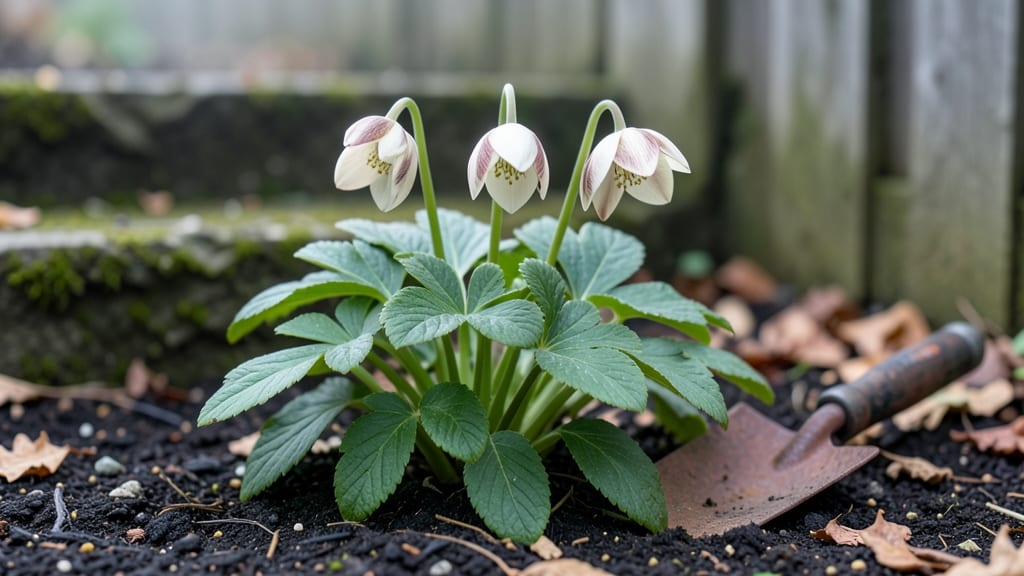
Reviving brown flower petals starts with understanding why they happen—whether it's too much water, not enough, or hidden pests like spider mites. 🌿 I’ve nursed back roses and hydrangeas from crispy edges to lush blooms by fixing just one thing: the balance between moisture and airflow.
Most gardeners overlook how quickly stress turns petals from vibrant to sad, but the fix is often simpler than you think.
The biggest culprits are underwatering (which dries petals from the edges) and fungal diseases like powdery mildew (which leaves a fuzzy brown crust). Roses and hydrangeas are especially prone, but even annuals like zinnias can suffer if the soil stays too wet or too dry.
The key is checking the soil’s moisture level—stick your finger an inch down, and if it’s bone-dry or soggy, that’s your first clue.
With the right adjustments, you’ll see petals perking up in as little as a week. Prune off the worst brown bits, adjust your watering schedule, and add mulch to keep roots steady. For fungal issues, a spray of neem oil or baking soda mix works wonders without harsh chemicals.
The goal isn’t just to save the flowers—it’s to keep them thriving for the rest of the season.
This works for container plants, in-ground beds, and even cut flowers in vases. The secret? Acting fast before the problem spreads. Let’s bring those blooms back to life—starting with the simplest fix.
Root Causes Of Wilting Blooms
When your once-vibrant blooms start showing brown, crispy edges or dull, fading hues, it’s often a cry for help from your plants. Understanding the why behind these changes is the first step to bringing them back to life. Let’s break down the science—and the solutions—behind the most common culprits.
Flowers are 90% water during peak bloom, and even slight dehydration or overhydration can trigger browning. Here’s how it happens:
- Underwatering: When soil dries out, petals lose turgor pressure, causing edges to curl and brown like parchment. Think of it as a plant’s version of heat exhaustion—cells collapse without moisture.
- Overwatering: Excess water suffocates roots by cutting off oxygen, leading to root rot. The plant can’t absorb nutrients, and petals turn brown as a survival mechanism (like shedding damaged leaves).
- Inconsistent watering: Fluctuating moisture levels create oxidative stress in petal cells, accelerating browning. Uneven hydration is like a rollercoaster for your flowers—one minute thriving, the next struggling.
Pro Tip: 🌡️ Test soil moisture by sticking your finger 1–2 inches deep. If it’s dry, water deeply until it drains from the bottom. If soggy, hold off until the top inch feels like a wrung-out sponge.
Flowers are solar-powered, but too much (or too little) sunlight can scorch or stress them into browning. Here’s the breakdown:
- Direct Sunburn: Intense midday rays (especially in hot climates) cause photoxidative damage. Petals lose pigments and develop brown, crispy patches, like sunburn on human skin. Delicate blooms (e.g., roses, hydrangeas) are most vulnerable.
- Cold Shock: Sudden temperature drops (below 50°F/10°C) disrupt cell membranes, leading to brown, mushy petals. Frost-sensitive flowers (like geraniums) may show frostbite-like necrosis at the edges.
- Poor Airflow: Stagnant air traps humidity, encouraging fungal spores (e.g., botrytis) that feast on petals, turning them brown and slimy. Imagine your flowers wearing a sweaty, moldy blanket—not ideal.
Pro Tip: ✨ Move potted flowers to dappled shade (e.g., under a tree) during peak sun (10 AM–4 PM). For cold snaps, cover with frost cloth or a light sheet. Prune crowded foliage to improve airflow.
Petals are glucose factories, and without the right nutrients, they’ll brown faster than a forgotten muffin. Key deficiencies include:
| Nutrient | Deficiency Signs | Why It Happens |
|---|---|---|
| 💚 Magnesium (Mg) | Brown spots between veins, yellowing edges | Mg is critical for chlorophyll (the plant’s energy source). Without it, petals can’t photosynthesize efficiently, leading to necrosis. |
| 💛 Potassium (K) | Brown edges and tips, weak stems | Potassium regulates water balance and stress responses. Low K = petals can’t retain moisture, causing desiccation. |
| 🔴 Calcium (Ca) | Brown, crispy petal tips (common in tomatoes, peppers, and roses) | Calcium strengthens cell walls. A deficiency leads to blossom end rot-like symptoms in flowers. |
Pro Tip: 💡 Use a balanced liquid fertilizer (10-10-10 or 20-20-20) every 2–4 weeks during blooming season. For quick fixes, Epsom salt (magnesium sulfate) or banana peel tea (potassium-rich) can work wonders.
Not all browning is due to care mistakes—pests and diseases can turn petals into a buffet. Watch for these culprits:
- Spider Mites: These tiny arachnids suck plant sap, causing stippled, brown patches on petals. They thrive in dry conditions, making dehydration a double whammy.
- Botrytis Blight (Gray Mold): A fungal nemesis that loves wet petals. It starts as water-soaked brown spots and spreads into a fuzzy gray mold. Overhead watering? This is your plant’s worst nightmare.
- Aphids/Thrips: These insects inject toxins while feeding, causing puckered, browned petals. They also spread viruses that stunt growth.
Pro Tip: 🔥 Blast pests off with a strong spray of water or use neem oil (1 tsp per quart of water). For botrytis, remove infected blooms immediately and improve airflow. Prevention is key—water at the base, not the leaves!
Now that you know the why, the next step is action. The good news? Most of these issues are reversible with the right care. Stay tuned for our science-backed revival tricks to turn those brown petals back to their former glory! 🌸
Reviving Wilted Blooms Naturally
Seeing brown tips or patches on your prized flowers can feel like a gardener’s nightmare—but don’t toss them just yet! With the right care, you can often restore their vibrancy and even prevent future damage.
Below, we’ll tackle the most common causes of dull, discolored petals and provide step-by-step fixes, plus pro tips to keep your flowers thriving.
If your flowers are sitting in soggy soil, their roots suffocate, leading to brown, mushy petals and a foul smell. Overwatering is a sneaky culprit, especially in containers or heavy clay pots.
How to Revive:
- 🔥 Stop Watering Immediately
- Let the soil dry out completely before watering again. Stick your finger 1-2 inches deep—if it’s damp, wait.
- 👨🍳 Repot if Needed
- If roots are rotting, gently remove the plant, trim any black/mushy roots with sterilized scissors, and repot in fresh, well-draining soil (add perlite or sand for airflow).
- 🥘 Adjust Your Watering Routine
- Water only when the top inch of soil is dry. Early morning is best to prevent fungal growth.
- Pro Tip: 💡 Use a moisture meter or the "squeeze test"—if soil clumps when pressed, it’s still too wet.
Prevention Tips:
- ✨ Choose pots with drainage holes (or drill them yourself).
- 🌡️ Monitor humidity—wilting speeds up in damp climates. Use a fan or dehumidifier near plants.
- 🎯 Avoid "bottom-watering" (placing pots in trays of water) unless the soil is bone-dry first.
Too much direct sun—especially in hot afternoons—can cause brown, crispy edges on petals, mimicking dehydration. This is common in tropical flowers like orchids or roses left in blazing light.
How to Revive:
- 🔪 Trim Damaged Petals
- Use clean pruners to snip off browned edges. This encourages new growth.
- 🏡 Move to Indirect Light
- Place flowers near a sheer curtain or under a shade cloth (30-50% coverage). East-facing windows are ideal.
- 🌊 Boost Hydration
- Water deeply in the morning to help the plant recover. Add a humidity tray (pebbles + water) under the pot.
Prevention Tips:
- 💡 Rotate pots weekly so all sides get even light.
- 🌡️ Watch for "heat shock"—if leaves curl or droop, it’s a warning sign.
- ✨ Use reflective surfaces (like white walls or mirrors) to bounce light gently.
Dark, spreading brown spots with a slimy texture? That’s often a fungal infection (like botrytis) or bacterial rot. These thrive in wet, stagnant conditions.
How to Revive:
- 🧼 Clean the Plant
- Wipe petals with a 1:10 hydrogen peroxide-water mix (3%) using a soft cloth. Avoid spraying directly.
- 💊 Apply Fungicide
- Spray with a copper-based fungicide (like copper soap) or neem oil (1 tsp per quart of water). Reapply every 7–10 days.
- 🌿 Improve Airflow
- Space plants apart and prune nearby foliage to reduce humidity pockets.
Prevention Tips:
- 🎯 Water at the base—avoid wetting leaves or flowers.
- 🔥 Sterilize tools after pruning with rubbing alcohol.
- ✨ Avoid overhead sprinklers—they spread spores.
Some flowers brown naturally as they age (like roses or carnations), or from ethylene gas (released by ripe fruits or other flowers nearby).
How to Revive (or Extend Life):
- 🌸 Trim Stems Underwater
- Recut stems at a 45° angle and place in cool water (change daily). Add a drop of bleach (1/8 tsp per gallon) to prevent bacteria.
- 🚫 Isolate the Plant
- Move it away from ethylene sources like apples, bananas, or other wilting flowers.
- 🥗 Feed with Floral Food
- Use a commercial flower food packet (contains sugar + acidifiers to slow aging).
Prevention Tips:
- 💡 Buy flowers in bud stage—they last longer than fully open blooms.
- 🌡️ Store cut flowers in the fridge (except tropical varieties like orchids).
- ✨ Remove lower leaves before arranging to reduce bacterial buildup in water.
Most brown petals are fixable with a little TLC—just diagnose the root cause and act fast. For stubborn cases, consider propagating healthy stems to grow new plants. Your garden (or vase) will thank you!
Frequently asked questions
Why do my flower petals turn brown at the edges first?
Petals brown at the edges first because that’s where moisture loss happens fastest. Think of it like a dried-out piece of fruit—the outer cells dehydrate quicker than the center. This often signals underwatering or high humidity loss (like hot, dry air). Roses and hydrangeas are especially prone to this "edge burn" when soil moisture drops below 30%.
Can I save flowers with brown spots caused by fungal diseases?
Yes, but act fast! For botrytis blight (gray mold), prune infected areas immediately and apply copper fungicide or neem oil. Remove all fallen petals from the soil to prevent spores from spreading. With proper airflow and reduced humidity, many plants rebound within 2-3 weeks. For severe cases, consider propagating healthy stems to grow new plants.
How often should I fertilize flowers to prevent brown petals?
Use a balanced liquid fertilizer (like 10-10-10) every 2-4 weeks during blooming season. For quick fixes, try Epsom salt (1 tbsp per gallon of water) for magnesium or banana peel tea for potassium. Over-fertilizing can burn roots, so always water thoroughly after applying.
Why do my cut flowers brown faster than store-bought bouquets?
Store-bought flowers are treated with preservatives (like floral food packets) that slow bacterial growth and extend vase life. At home, use cool water, recut stems at 45° angles, and change water every 2 days. Add a drop of bleach (1/8 tsp per gallon) to prevent bacteria buildup.
Are some flowers more prone to brown petals than others?
Yes! Delicate varieties like roses, hydrangeas, and zinnias are especially sensitive to moisture stress. Tropical flowers (orchids, gardenias) often brown from sunburn or cold shock, while succulents (like bougainvillea) tolerate drought better. Choose plants matched to your climate and care habits to minimize browning.