
Flowers
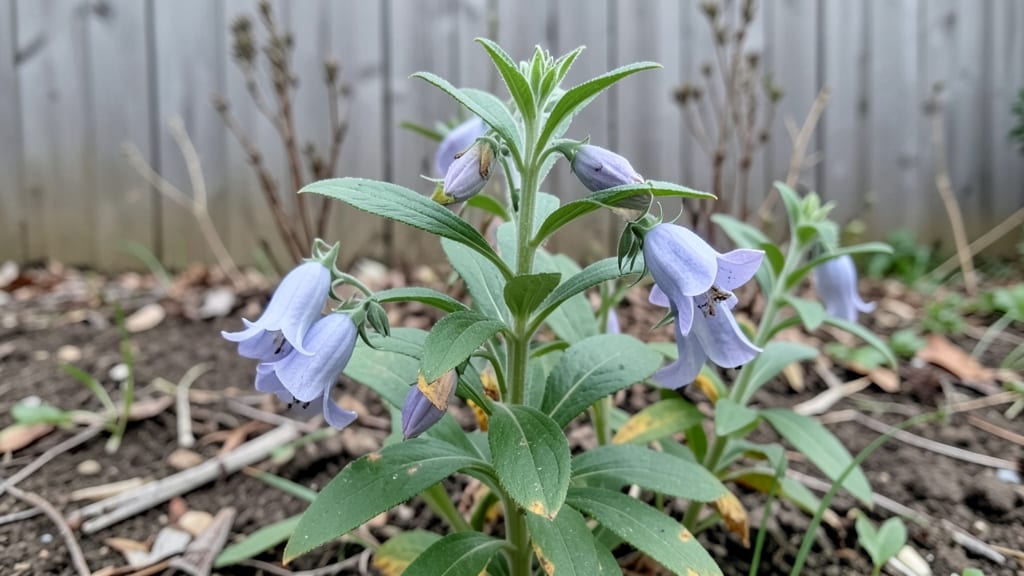
Growing bell drop flowers from seed gives you those dramatic, cascading blooms that look like nature’s chandeliers. 🌿 I’ve grown them for years, and they never fail to turn heads—whether in cutting gardens or mixed borders.
The secret lies in their love for bright light and well-draining soil, which most gardeners overlook until the plants struggle.
These flowers thrive in full sun to partial shade, making them versatile for borders, containers, or even as a striking focal point. Start seeds indoors 8-10 weeks before your last frost, and transplant when soil temperatures hit 55°F or warmer.
The key is patience—they grow slowly at first but reward you with 3- to 4-foot stems by midsummer.
Once established, they’re low-maintenance: water at the base to keep soil moist but not soggy, and deadhead spent blooms to encourage more flowers. The real magic happens when you snip stems for arrangements—each bloom lasts 7-10 days in a vase, making them a florist’s dream.
With the right care, you’ll have showstopping blooms from early summer through fall.
Perfect for cut flower gardens, cottage-style plantings, or even urban balconies with containers. Here’s how to get them growing strong from the start—no green thumb required.
📚 In This Guide
- What you need
- Instructions
- Tips and common mistakes
- Wrapping up and next steps
What you need
- ● Pro tip: 💡 If starting from seeds, pre-soak them in warm water for 24 hours to speed up germination!
Step-by-Step instructions for cultivating bell drop flowers
Here’s how to coax these stunning, cascading blooms from seed to vase-ready stems—my foolproof method for lush, long-stemmed growth.
🌱 Step 1: Start Seeds Indoors at the Right Time
Bell drop flowers (Campanula persicifolia or C. medium) thrive when started 8-10 weeks before your last frost date. Use the 1 packet of bell drop flower seeds and a seed-starting tray filled with 2 gallons of sterile seed-starting mix. Press seeds ¼ inch deep—they need light to germinate, so don’t bury them too deeply.
I like to place the tray in a humidity dome and keep it at 65-70°F for consistent germination. Mist the soil lightly with warm water every 2-3 days until you see first true leaves (not the initial seed leaves). This usually takes 14-21 days, depending on your climate. If your home runs cooler, a seedling heat mat speeds things up.
☀️ Step 2: Provide Bright, Indirect Light for Strong Seedlings
Once sprouts emerge, move them to a south-facing window or under grow lights for 14-16 hours of light daily. Bell drop flowers stretch toward light if they’re too far away—watch for thin, pale stems and leaves spaced far apart. If you see this, lower the lights to 2-3 inches above the seedlings. Strong seedlings have compact growth and deep green leaves.
After 4-6 weeks, when seedlings have 3-4 sets of true leaves, it’s time to harden them off. Start by placing them outside in partial shade for 1 hour the first day, then gradually increase exposure over 7-10 days. This toughens them up so they don’t bolt or wilt when transplanted.
🪴 Step 3: Transplant to the Garden at the Right Stage
Choose a sunny to partially shaded spot with well-draining soil—bell drop flowers hate soggy roots. Use the 4-gallon potting mix to amend heavy or clay soil if needed. Space plants 12-18 inches apart in rows 18 inches apart to give them room to spread. Dig holes twice as wide as the root ball and just as deep—this encourages roots to branch out.
Water deeply after planting to settle the soil, then mulch with 2 gallons of shredded bark to retain moisture and suppress weeds. Avoid overhead watering once established—water at the base in the morning to prevent fungal issues. You’ll see new growth in 2-3 weeks, signaling they’ve taken root.
✂️ Step 4: Deadhead and Support for Longer Blooms
Bell drop flowers produce long, elegant stems that can flop without support. Install 6 bamboo stakes around the planting area and loosely tie stems to them as they grow. This keeps blooms upright and prevents them from sprawling. Use soft plant ties or even old pantyhose to avoid damaging stems.
Deadhead spent blooms regularly to encourage more flowers. Simply pinch off the faded blossoms with your fingers—no need for shears. I do this every 2-3 days during peak bloom (late spring to early summer). If you notice yellowing leaves, it’s usually a sign of overwatering—let the soil dry out slightly between waterings.
🌿 Step 5: Harvest Stems for Cut Flowers at Peak Freshness
The best time to cut stems is early morning when moisture levels are highest. Use clean, sharp pruners to snip stems at a 45-degree angle just above a leaf node. Harvest every 2-3 days during the blooming season to prolong flowering. Place stems in lukewarm water immediately—they’ll last 7-10 days in a vase.
For the longest stems, avoid cutting when flowers are fully open. Instead, harvest when buds are just beginning to show color—they’ll open beautifully in your vase. If you’re growing bell drop flowers for dried arrangements, let them fully mature on the plant, then hang stems upside down in a well-ventilated, dark space until completely dry.
Tips & tricks for growing bell drop flowers
Transforming delicate seeds into showstopping stems takes more than just patience—it requires the right conditions at every stage. Here are my battle-tested strategies for cultivating bell drop flowers that rival the florist's best.
Germination Precision: The 14-21 day germination window can feel like an eternity, but consistency is key. I've found that maintaining that 65-70°F temperature range with a humidity dome creates an ideal microclimate. If your home runs cooler, a seedling heat mat placed under the tray can shave days off germination time. Pro tip: Use a spray bottle with warm water (not cold) to mist—cool water can shock the delicate seeds and slow germination.
Lighting Strategy: Those crucial 14-16 hours of light daily in Step 2 aren't just about duration—they're about quality. Position your grow lights 2-3 inches above seedlings and adjust as they grow. I notice the biggest difference when seedlings receive light from all directions. If using a south-facing window, rotate the tray daily so all sides get equal exposure. This prevents the classic "leggy" growth where stems stretch toward the light source.
Transplanting Technique: When it's time to move your seedlings outdoors, focus on the root ball rather than the plant itself. Gently squeeze the sides of the seed-starting tray to encourage roots to spread outward—this creates a stronger root system for transplanting. In Step 3, those 12-18 inches of spacing might seem generous, but it prevents overcrowding that leads to fungal issues and weaker stems. I've learned the hard way that cramped bell drop flowers produce shorter, less sturdy stems perfect for cutting.
Support System: The 6 bamboo stakes mentioned in Step 4 are non-negotiable for long-stemmed blooms. Install them at planting time—don't wait until the plants are flopping. Use soft plant ties (or even old pantyhose) to secure stems gently. I've found that loosely tying stems to stakes allows them to sway slightly in the breeze, which actually strengthens the stems. This technique gives you those dramatic, cascading stems perfect for floral arrangements.
Pro Tips for Bell Drop Flowers
- Transforming delicate seeds into showstopping stems takes more than just patience—it requires the right conditions at every stage.
- Germination Precision: The 14-21 day germination window can feel like an eternity, but consistency is key.
- Lighting Strategy: Those crucial 14-16 hours of light daily in Step 2 aren't just about duration—they're about quality.
Frequently asked questions
Got questions about growing bell drop flowers? You’re not alone! Here are some of the most common queries—plus quick, practical answers to help you cultivate these stunning blooms with confidence.
How long does it take for bell drop flowers to bloom from seed?
Patience is key! Bell drop flowers (Campanula spp.) typically take 8–12 weeks to germinate and 3–6 months to produce their first blooms, depending on the variety and growing conditions. Start seeds indoors 6–8 weeks before your last frost for a head start. Pro tip: Use a heat mat to speed up germination if your home runs cool!
What’s the best temperature range for growing bell drop flowers?
These cool-season stars thrive in 60–70°F (15–21°C) daytime temps and 50–60°F (10–15°C) at night. Avoid planting in scorching heat—they’ll bolt (go to seed) prematurely. For summer blooms, opt for shade-tolerant varieties like Campanula persicifolia or grow them in partial shade to protect delicate petals.
Why aren’t my bell drop flowers blooming? Troubleshooting tips.
No flowers? Check these fixes:
- Not enough light: Move to a sunnier spot (6+ hours/day).
- Over-fertilizing: Too much nitrogen = leafy growth, no blooms. Use a low-phosphorus fertilizer (like 5-10-10) to encourage flowers.
- Crowded roots: Thin seedlings or repot to improve airflow.
- Stress: Drought or extreme temps can delay blooming. Keep soil consistently moist (not soggy!).
Can I grow bell drop flowers in containers? What’s the best setup?
Use a 5–7 gallon pot with drainage holes and a well-draining potting mix (add perlite or sand). Choose trailing varieties like Campanula poscharskyana for hanging baskets or compact types like Campanula glomerata for patio pots. Water regularly—containers dry out faster—and fertilize lightly every 4–6 weeks.
Are bell drop flowers toxic to pets or humans?
Great news: Bell drop flowers are non-toxic to cats, dogs, and humans! You can safely grow them in pet-friendly gardens or even indoors. However, always supervise pets when introducing new plants—they might nibble out of curiosity. Bonus: Their mild scent repels pests like aphids naturally!
Wrapping up and next steps
Growing bell drop flowers is a rewarding journey that transforms your garden into a breathtaking display of elegance and color.
Whether you're a seasoned gardener or just starting, these stunning blooms are well worth the effort—their long stems and delicate charm make them perfect for bouquets, centerpieces, or simply brightening up your outdoor space. 🌸
Now that you’re armed with all the tips and tricks, it’s time to roll up your sleeves and get planting! Start with the right seeds, provide the ideal care, and soon, you’ll be enjoying the showstopping beauty of bell drop flowers in full bloom.
Happy gardening—your future floral masterpieces are waiting! 🌱✨