
Shrubs
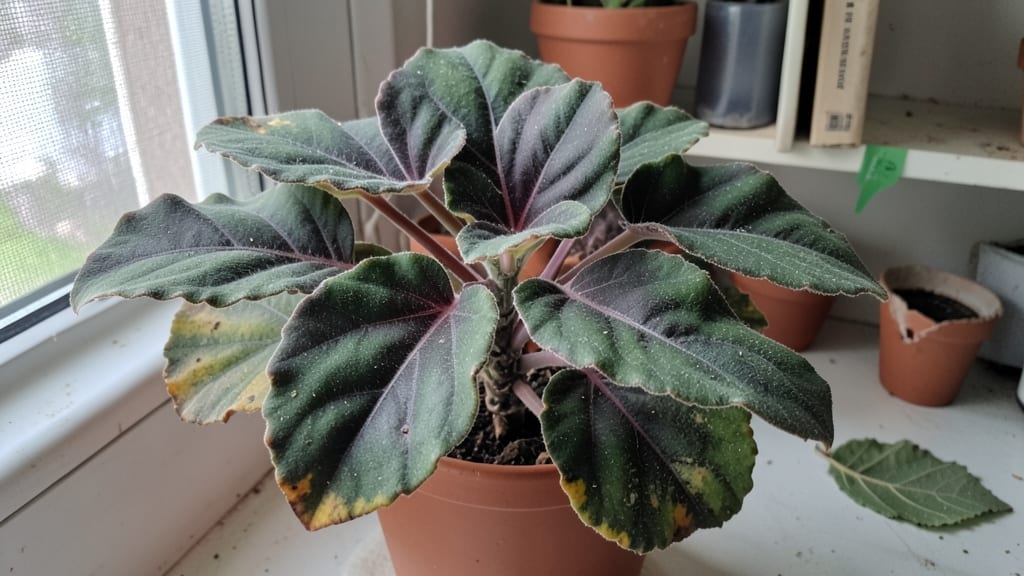
Your begonias are throwing a silent protest with a begonia not flowering—just lush green leaves instead of blooms. 🌿 I’ve seen this happen more than I’d like to admit, and the fix usually comes down to two things: light and nutrients.
Most people assume begonias are low-maintenance, but they’re actually picky about their growing conditions.
The biggest culprits are too little light and the wrong fertilizer. Begonias need bright, indirect light for at least 6 hours a day—if they’re tucked in a dark corner, they’ll focus on leaves, not flowers.
And if you’re feeding them a high-nitrogen fertilizer, you’re basically telling them to grow more foliage instead of blooms. Switch to a balanced or low-nitrogen, high-phosphorus feed, and you’ll see buds forming within weeks.
Once you adjust the light and nutrients, prune back leggy stems to encourage bushier growth, and you’ll be rewarded with clusters of vibrant blooms. The difference is night and day—literally. I went from zero flowers to a full display in just 4 weeks after making these two changes.
Works for both indoor plants and outdoor containers, though outdoor begonias may need extra shade in hot climates. Let’s get those blooms back where they belong—front and center.
Root Causes of Stalled Blooms
If your begonia is putting out lush leaves but refusing to flower, the issue likely stems from one (or more) of its core biological needs being unmet. Begonias are sensitive plants that rely on precise environmental cues to trigger blooming.
Understanding these triggers can help you diagnose why your plant is holding back its flowers—and how to coax them out.
Begonias are photoperiod-sensitive, meaning they need a specific balance of light to initiate flowering. Most varieties require bright, indirect light for 12–14 hours daily to stimulate bloom production. Without enough light:
- Photosynthesis slows: The plant prioritizes leaf growth over energy-intensive blooms.
- Chlorophyll production shifts: Low light causes begonia leaves to stretch (etiolation), while flower buds fail to form.
- Hormonal imbalance: Insufficient light disrupts the plant’s florigen hormone, which signals flowering.
💡 Pro Tip: South- or west-facing windows are ideal. If natural light is limited, supplement with a grow light (5,000–6,500K spectrum) for 4–6 hours daily. Avoid harsh direct sun, which can scorch leaves.
Begonias are cool-season bloomers, with most varieties needing a drop in temperature (50–65°F / 10–18°C) to trigger buds. If your plant stays in consistent warmth (>75°F / 24°C), it may never enter its dormant-like state required for flowering. Key issues include:
- Lack of seasonal cues: Many begonias need 10–12 weeks of cooler nights (below 60°F / 15°C) to produce flowers.
- Metabolic slowdown: High heat disrupts vernalization (a cold-induced flowering response).
- Ethylene gas interference: Overheating can produce stress hormones that suppress bud formation.
❄️ Actionable Fix: Move potted begonias outdoors in early fall (if in a mild climate) or place them near an unheated porch for 6–8 weeks. For indoor plants, use a cooling fan at night or a temperature-controlled grow tent.
Begonias need a precise nutrient ratio to flower. Too much nitrogen (common in leafy fertilizers) promotes foliage over blooms, while deficiencies in key micronutrients can halt bud development entirely. Common culprits:
| Nutrient Issue | Symptoms | Fix |
|---|---|---|
| Excess Nitrogen (N) | Dark green, rapid leaf growth; no flower buds | Switch to a low-N, high-phosphorus (P) fertilizer (e.g., 5-10-10 ratio). Flush soil with water after 2 weeks. |
| Phosphorus (P) Deficiency | Purple-tinged leaves; small, weak buds that drop | Apply a bone meal or bloom-boosting fertilizer (e.g., 10-20-10). Reapply every 4–6 weeks. |
| Potassium (K) or Magnesium (Mg) Lack | Yellowing between leaf veins; buds form but abort | Use Epsom salt (1 tsp/gallon water) monthly for Mg. For K, try a banana peel tea or liquid seaweed fertilizer. |
🔥 Quick Test: If your fertilizer label doesn’t list phosphorus as the second-highest number, it’s likely not bloom-friendly. Look for terms like "bloom booster" or "phosphorus-rich".
Begonias are semi-tropical and thrive in consistent humidity (50–70%). Fluctuations in moisture—whether from underwatering or overwatering—can stress the plant and prevent flowering:
- Drought stress: When soil dries out completely, the plant conserves energy by aborting flower buds.
- Root suffocation: Overwatering or poor drainage leads to anaerobic conditions, which disrupts nutrient uptake and hormone signaling.
- Transpiration imbalance: Low humidity causes excessive water loss, forcing the plant to prioritize survival over reproduction.
🌡️ Ideal Conditions:
- Keep soil evenly moist (not soggy)—insert your finger 1 inch deep; water when dry.
- Use a humidifier or place the pot on a pebble tray with water.
- Avoid letting leaves touch cold windows, which can cause edema (water blisters) and stress.
Not all begonias are created equal—and some simply won’t flower indoors or take years to mature. Key factors:
- Juvenile phase: Many begonias (like Begonia rex) focus on leaf growth for 1–3 years before flowering.
- Non-flowering cultivars: Ornamental leaf varieties (e.g., Begonia masoniana) are bred for foliage, not blooms.
- Light deprivation history: If a begonia was grown in low light for years, it may have "forgotten" how to flower even when conditions improve.
🔍 How to Check: Research your begonia’s specific variety—some, like Begonia boliviensis, are rare bloomers, while Begonia semperflorens (wax begonia) are prolific.
Revive your begonia’s blooming magic
If your begonia is throwing a no-show on the flower front, don’t despair—most issues are fixable with a few targeted tweaks. Below, we’ve mapped the most common causes to actionable solutions, so you can coax those vibrant blooms back in weeks.
Think of this as your begonia’s bloom revival guide, complete with prevention tips to keep future flowers coming!
Begonias crave bright, indirect light—think dappled sunlight or a north-facing window. If yours is tucked in a dim corner, it’s likely focusing all its energy on leaves instead of flowers.
🔥 Fix It Now:
- Move it closer to a window (but avoid harsh midday sun, which can scorch leaves).
- Use a sheer curtain to diffuse direct sunlight if natural light is too intense.
- Supplement with a grow light (12–14 hours/day) if your space is chronically low-light.
💡 Prevention Tips:
- Rotate the pot every few weeks so all sides get even light exposure.
- Watch for leggy stems or pale leaves—these are red flags for light deprivation.
Begonias thrive in consistent warmth (65–75°F) and hate drafts. Extreme temps or sudden changes can shock the plant into a flower-fasting mode.
🍳 Fix It Now:
- Keep it away from AC vents, heaters, or drafty windows.
- Use a humidity tray (pebbles + water) if your home is dry—begonias love 50–60% humidity.
- Avoid placing it near glass doors in winter (cold drafts = bloom blocker).
🌡️ Prevention Tips:
- Use a thermometer to monitor temps near the plant.
- In summer, mist leaves lightly in the morning to mimic tropical humidity.
Overfeeding with high-nitrogen fertilizer is like giving your begonia a leaf-only diet. Too much nitrogen = lush leaves, zero blooms. The fix? A balanced or bloom-boosting fertilizer.
👨🍳 Fix It Now:
- Switch to a 10-10-10 or 20-20-20 fertilizer (equal parts nitrogen, phosphorus, potassium).
- Dilute to half-strength and apply every 4–6 weeks during active growth (spring–summer).
- Flush the soil with water after 2–3 feedings to prevent salt buildup.
🎯 Prevention Tips:
- Stop fertilizing in fall/winter—begonias rest then!
- Look for phosphorus-heavy fertilizers (like 5-10-5) if blooms are stubbornly absent.
Begonias despise soggy roots but also wilting stress. Too much or too little water sends mixed signals, halting flower production.
🔪 Fix It Now: - Check soil moisture—stick your finger 1 inch deep.
If dry, water; if wet, wait. - Use a pot with drainage holes and a well-draining mix (peat moss + perlite). - Water at the base (not overhead) to avoid fungal issues that stress the plant.
⏰ Prevention Tips:
- Water in the morning so leaves dry by night (reduces mildew).
- Group begonias together to create a mini humid microclimate.
If roots are circling the pot or the plant looks top-heavy, it’s focusing energy on expansion, not blooms. Time for an upgrade!
🌱 Fix It Now:
- Repot into a container just 1–2 inches larger (too big = soggy soil).
- Gently loosen roots and trim any that are mushy or circling.
- Use fresh potting mix (avoid garden soil—it compacts).
✨ Prevention Tips:
- Repot every 1–2 years or when roots peek out of drainage holes.
- Choose a pot with a saucer to catch excess water (but empty it after 30 mins).
Pro Tip: Combine fixes for faster results! For example, move your begonia to brighter light, switch fertilizers, and repot—you’ll likely see buds in 4–6 weeks. Patience is key, but your plant will thank you with a show-stopping display!
Frequently asked questions
Why does my begonia grow leaves but no flowers?
Most likely, your plant is getting too much nitrogen from fertilizer, which promotes leafy growth over blooms. Begonias need bright indirect light (6+ hours daily) and a fertilizer with more phosphorus than nitrogen (like a 5-10-5 formula) to trigger flowering. Check for leggy stems or dark green leaves—these are classic signs of over-fertilization.
Can I force my begonia to bloom indoors?
Yes! Start by moving it to a south or west-facing window and supplement with a grow light (12-14 hours/day) if needed. Reduce nitrogen-heavy fertilizers and switch to a bloom booster (10-20-10 ratio) every 4-6 weeks. For extra encouragement, place it near a cool window at night (60-65°F) to mimic seasonal temperature drops.
How long does it take to see flowers after making changes?
With ideal conditions, you’ll typically see new buds forming in 4-6 weeks. If your begonia is young (<1 year old) or a leaf variety (like Begonia rex), it may take 1-3 years to mature enough for blooms. Be patient—some varieties need consistent care for months before flowering. Track progress by noting leaf color and stem thickness.
What should I do if my begonia's buds drop before opening?
Dropping buds usually signals stress from temperature swings, low humidity, or overwatering. Move the plant to a stable 65-75°F environment away from drafts, and increase humidity with a pebble tray. Check soil moisture—water only when the top 1 inch feels dry. A quick phosphorus boost (like bone meal) can also help stabilize buds.
Are some begonia varieties naturally non-flowering?
Yes! Many begonias are grown for their stunning foliage, like Begonia rex (with iridescent leaves) or Begonia masoniana. These varieties focus energy on leaves and may never bloom. Always check your plant’s specific name—flowering types (like Begonia semperflorens) are bred to produce abundant blooms with proper care.