
Shrubs
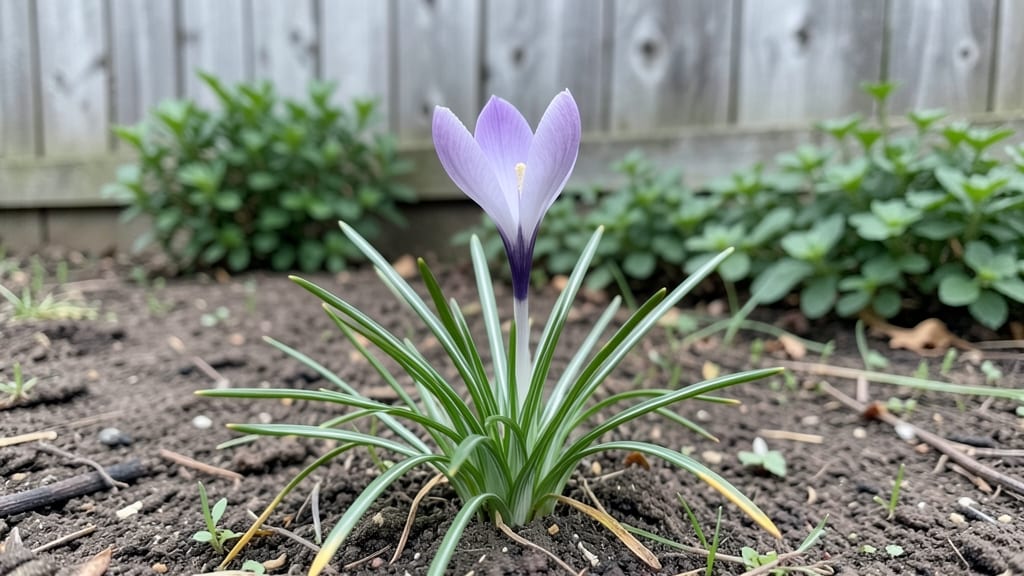
Autumn flowering crocus blooms transform fall gardens into fragrant, jewel-toned havens when most plants have faded. 🌿 Unlike their spring counterparts, these varieties thrive in cool weather, pushing through soil as temperatures dip—creating a rare burst of color and scent between summer’s end and winter’s arrival.
The secret lies in timing: plant them in late summer or early autumn when soil is still warm but days grow shorter, giving roots time to establish before dormancy.
These crocus need well-draining soil and at least 6 hours of sunlight daily, though they tolerate partial shade in hotter climates. Amend heavy clay with compost or sand to prevent rot, and avoid overwatering—their bulbs store moisture naturally.
Mulch lightly after planting to protect from early frosts, but leave soil uncovered so bulbs can breathe. The result? Clusters of vibrant purple, white, or yellow blooms that attract bees and butterflies when food is scarce.
To encourage repeat blooms, leave foliage until it yellows naturally—this recharges the bulbs for next season. In mild climates, autumn crocus may even naturalize over time, multiplying into carpets of color.
For colder regions, dig and store bulbs after blooming or mulch heavily to insulate them. The payoff? A garden that stays lively long after other perennials have retired for the year.
Perfect for borders, woodland gardens, or container displays, these crocus bring structure and fragrance to fall landscapes. Their low-maintenance nature makes them ideal for busy gardeners who still want seasonal interest. Start with 5-10 bulbs for a noticeable impact, and watch your garden stay vibrant until winter’s first frost.
📚 In This Guide
- What you need
- Instructions
- Tips and common mistakes
- Wrapping up and next steps
What you need
- ● Autumn flowering crocus corms: 10–20 corms (depending on desired coverage; Crocus speciosus or Crocus sativus varieties work best).
- ● Well-draining potting mix or garden soil: 5–10 gallons (amend with perlite or sand if soil is heavy).
- ● Compost or organic fertilizer: 1–2 cups (balanced 10-10-10 or bone meal for phosphorus).
- ○ Mulch (optional but recommended): Straw or shredded leaves (2–3 inches) to retain moisture.
- ● Garden trowel or bulb planter (for planting corms 3–4 inches deep).
- ● Watering can or hose with gentle spray nozzle (avoid overwatering).
- ○ Gloves (optional) (to protect hands from soil and sharp corm edges).
- ● Measuring tape or ruler (for spacing corms 3–4 inches apart).
- ● Sunlight: Full sun to partial shade (6+ hours of light daily).
- ● Planting timing: Late summer to early fall (4–6 weeks before first frost).
- ● Drainage: Ensure no standing water (corms rot in soggy soil!).
- ● Pollinator-friendly location: Near pathways or borders for easy access to bees and butterflies.
Step-by-Step guide to planting autumn flowering crocus
Here's the foolproof method I use every fall to get those early, fragrant blooms popping through the soil.
🌱 Step 1: Choose the Right Corm Variety and Planting Site
Autumn crocus thrive in full sun to partial shade with well-draining soil. I always pick varieties like 'Golden Yellow' or 'Purple Striped' for their bold colors and honey-like fragrance. The key is selecting a site where the soil stays moist but never soggy—crocus rot is a real risk in heavy clay.
Test your soil by squeezing a handful—if it holds its shape like Play-Doh, amend with 2-3 inches of coarse sand or perlite to improve drainage. I avoid low spots where water pools after rain, and I always plant where bees and butterflies can easily access the flowers.
🪴 Step 2: Prepare the Soil and Planting Depth
Loosen the soil to a depth of 6-8 inches with a garden fork or trowel. Break up any compacted layers so the corms can send out roots freely. Autumn crocus need to be planted 3-4 inches deep, with the pointed end facing up—this ensures the shoot grows upward instead of sideways.
Space corms 3-4 inches apart in rows 6 inches apart for a natural, meadow-like look. I like to plant in clusters of 5-7 corms to create a bold visual impact. If your soil is very sandy, you can plant slightly shallower—just make sure the corms stay covered.
💧 Step 3: Plant and Water for Immediate Moisture
Place each corm into the hole with the pointed end up, then cover it completely with soil. Press down gently to remove air pockets, but don’t compact the soil too firmly—roots need room to grow. I use my fingers to smooth the soil surface, making sure no gaps remain where water could pool.
Water thoroughly right after planting to settle the soil and provide initial moisture. The goal is to keep the soil evenly damp but not waterlogged for the first 2-3 weeks. After that, crocus are surprisingly drought-tolerant once established, but they need consistent moisture to push through the soil in fall.
☀️ Step 4: Mulch and Protect for Winter Dormancy
Apply a 1-2 inch layer of straw or shredded leaves over the planted area to insulate the corms and retain moisture. This mulch layer also protects against late fall frosts and prevents soil heaving, which can push corms too close to the surface. I avoid using thick layers of wood chips, as they can smother the soil and trap too much moisture.
Once the ground freezes, the corms enter dormancy, and you can leave them undisturbed until spring. The mulch will break down naturally, adding organic matter to the soil. If you notice any signs of pests like squirrels digging, cover the area with hardware cloth for extra protection.
⏰ Step 5: Monitor for Spring Blooms and Maintain
Autumn-planted crocus typically bloom in late winter to early spring, often pushing through snow or frozen ground. You’ll know they’re ready when the first purple or golden flowers appear above the soil. At this stage, they need minimal care—just keep the area weed-free and water lightly if spring is particularly dry.
After flowering, let the foliage die back naturally—this process recharges the corms for next year’s blooms. I avoid cutting back leaves until they turn completely brown, as this ensures the corms store enough energy. With proper care, a single planting can multiply over time, creating a stunning, low-maintenance display for years to come.
Tips & tricks for perfect autumn flowering crocus planting
Here's what I've learned after years of planting these resilient beauties—tricks that make all the difference between a few scattered blooms and a stunning, pollinator-friendly display.
Soil Test Secret: That soil test in Step 1 isn't just about drainage—it's about understanding your garden's natural behavior. I've found that adding 1 part compost to your amended soil (the 2-3 inches of sand/perlite) creates a perfect balance. The compost introduces beneficial microbes that help the corms establish roots faster, while the sand prevents compaction. Think of it as giving your crocus a head start on spring.
Planting Depth Visual: When planting those 3-4 inches deep in Step 2, use your knuckles as a guide—they're roughly 3 inches wide. This ensures you're not planting too shallow (which can expose corms to frost) or too deep (which delays blooming). I also make a habit of marking each planting spot with a small stick—this helps me remember where I've planted and prevents accidental digging in spring.
Watering Strategy: The 2-3 weeks of even moisture in Step 3 is critical, but here's the thing: I use a soaker hose set to a gentle flow for about 10 minutes daily instead of watering by hand. This keeps the soil consistently damp without creating surface puddles that could rot the corms. In cooler fall weather, you might only need every other day—just check that the top inch of soil stays moist.
Mulch Layering: For that 1-2 inch mulch layer in Step 4, I always use a combination of straw and shredded leaves—about 50/50. The straw provides excellent insulation while the leaves add organic matter as they break down. Pro tip: If you're in an area with heavy snowfall, add an extra inch of straw to prevent the mulch from compacting under the weight.
Pro Tips for Autumn Flowering Crocus
- Here's what I've learned after years of planting these resilient beauties—tricks that make all the difference between a few scattered blooms and a stunning, pollinator-friendly display.
- Soil Test Secret: That soil test in Step 1 isn't just about drainage—it's about understanding your garden's natural behavior.
- Planting Depth Visual: When planting those 3-4 inches deep in Step 2, use your knuckles as a guide—they're roughly 3 inches wide.
Frequently asked questions
Got questions about growing autumn flowering crocus? Here are some of the most common ones—and their answers!
When do autumn crocuses typically bloom?
Autumn flowering crocuses usually bloom from late September to November, depending on your climate. In cooler regions, they may appear as early as August, while warmer areas might see blooms extending into early winter. Planting depth and soil temperature also influence timing—deeper bulbs often bloom slightly later.
Can autumn crocuses survive winter frost?
Yes! These hardy perennials thrive in winter frost and often re-emerge in spring. Their bulbs are naturally cold-resistant, making them perfect for USDA Zones 3-9. Just ensure they’re planted in well-draining soil to prevent rot. A light mulch can provide extra protection in extreme cold.
Are autumn crocuses good for pollinators?
Their vibrant blooms attract bees, butterflies, and early-season pollinators when few other flowers are available. For maximum impact, plant them in clusters or meadow-style gardens. Avoid pesticides during bloom time to keep pollinators safe and happy.
How do I prevent squirrels or deer from digging up my crocus bulbs?
Squirrels and deer love digging up bulbs, but you can deter them with chicken wire, mesh cages, or repellents. Planting bulbs deeper (6–8 inches) also helps. For deer-prone areas, try interplanting with daffodils or alliums, which deer tend to avoid.
What if my autumn crocus doesn’t bloom the first year?
Don’t worry—it’s normal for newly planted bulbs to take 1–2 years to establish and bloom. Focus on providing full sun to partial shade, well-draining soil, and consistent moisture (but not soggy conditions). With patience, they’ll reward you with stunning fall color!
Can I grow autumn crocuses in containers?
Yes! Use well-draining pots with holes and a mix of potting soil and sand or perlite. Choose shallow containers (at least 6 inches deep) and place them where they’ll get morning sun and afternoon shade. Just remember to water regularly and fertilize lightly in early spring.
Wrapping up and next steps
Autumn flowering crocus isn’t just a stunning addition to your fall garden—it’s a fragrant, low-maintenance, and pollinator-friendly plant that brings life to chilly days.
Whether you’re a seasoned gardener or just starting, these cheerful blooms are easy to grow and perfect for adding color and scent to your outdoor space. 🌸
Ready to transform your garden? Start small—pick your favorite variety, gather your supplies, and plant with confidence! Your future self (and local bees!) will thank you.