
Shrubs
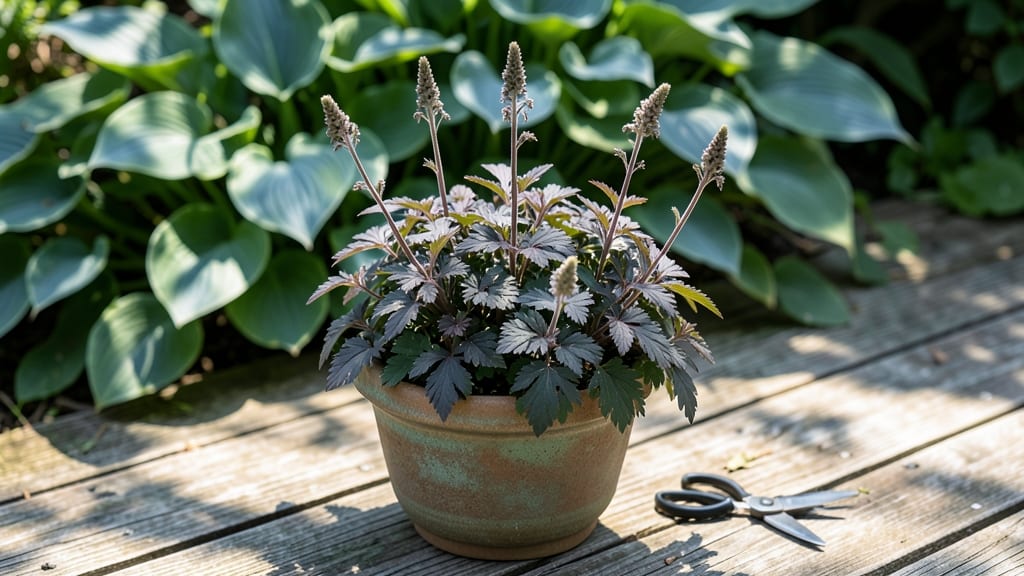
Your astilbe not flowering is usually a sign the plant is directing all its energy into lush foliage instead of blooms—something I’ve fixed in my own garden after years of frustration. 🌿 The problem often starts with too much nitrogen in the soil, which fuels leaves but starves flowers, or simply not enough sunlight to trigger blooming.
I’ve seen astilbes with fern-like fronds but no flowers, and the solution isn’t complicated once you know what to look for.
The good news is that most astilbes can be coaxed back into flowering with a few targeted adjustments. Start by cutting back any thick, overgrown foliage in early spring—this opens up the plant and redirects energy toward blooms.
Then, switch to a balanced fertilizer (like 10-10-10) to avoid overfeeding the leaves, and ensure the plant gets at least 4-6 hours of morning sun daily. My astilbes now burst with plumes every summer, and the difference is night and day.
You’ll notice new flower buds forming within 4-6 weeks of making these changes, especially if the plant is young or has been overfed. The key is consistency: keep the soil moist but not soggy, and avoid heavy mulch around the base, which can suffocate the roots.
Once you see those first buds, you’ll know you’re on the right track—no more leafy monsters, just clouds of feathery blooms.
This works for both established plants and new astilbes, though older plants may take a season to fully recover. If your plant is more than 3-4 years old, consider dividing it in early spring to rejuvenate growth.
The payoff? A garden that looks like a dreamy cottage scene by midsummer, with astilbes putting on their best show.
When Astilbe Stops Blooming
Astilbes are prized for their feathery plumes and vibrant blooms, but when they refuse to flower, it’s often due to a mix of environmental and cultural factors. Understanding these causes is the first step to reviving your plant’s floral potential. Here’s why your astilbe might be holding back its blooms:
Astilbes thrive in partial shade, typically needing 3–6 hours of morning sun or dappled light daily. Too little sunlight weakens the plant’s energy reserves, while excessive shade (especially dense, filtered light) can stunt flowering.
- Too little sun? The plant struggles to photosynthesize enough energy, diverting resources to leaf growth instead of flower buds. - Too much shade? Astilbes may produce lush foliage but skip blooming entirely because they lack the light trigger needed for florigen production (the hormone signaling flower formation). - Solution: Monitor light exposure—astilbes in deep shade (under trees with thick canopies) often fail to bloom.
If your garden is shady, consider reflective surfaces (like light-colored walls) or selective pruning of overhanging branches to improve light penetration.
Astilbes are water-loving plants and require consistently moist, well-draining soil. Fluctuations in moisture—whether drought stress or waterlogged roots—can disrupt flowering.
- Underwatering: Leads to bud drop or failed bloom initiation as the plant conserves energy. - Overwatering: Causes root rot, which starves the plant of nutrients and energy needed for flowering. - Solution: - Check soil moisture weekly—top 1–2 inches should stay damp (not soggy). - Mulch heavily (2–3 inches of organic mulch) to retain moisture and regulate soil temperature. - Avoid soggy spots—astilbes hate "wet feet."
Ensure containers have drainage holes.
Astilbes are cool-season bloomers, typically setting buds in late spring to early summer. Extreme heat, late frosts, or out-of-season stress can delay or prevent flowering.
- Early heatwaves: If temperatures soar above 85°F (29°C) before buds form, the plant may abort flower development.
- Late frosts: Damaging new growth can reset the plant’s bloom cycle.
- Solution:
- Plant in locations with afternoon shade to protect from midday heat.
- Avoid fertilizing heavily in summer—nitrogen-rich feeds encourage leafy growth at the expense of blooms.
- Extend the season with shade cloth if your area has brutal summer heat.
Astilbes are heavy feeders and require fertile, slightly acidic to neutral soil (pH 6.0–7.0). Nutrient deficiencies—especially phosphorus (P) and potassium (K)—can halt flower production.
- Nitrogen-heavy soil? Leads to lush foliage but no blooms (a classic "leafy monster" problem).
- Low phosphorus? Critical for root and flower development—deficient plants may produce weak or no stems.
- Compacted or nutrient-poor soil? Roots can’t access the energy needed for blooming.
- Solution:
- Test your soil—correct pH with lime (to raise pH) or sulfur (to lower pH).
- Feed in early spring with a balanced, bloom-boosting fertilizer (10-10-10 or 5-10-10).
- Amend soil with compost or aged manure before planting for long-term fertility.
Astilbes bloom on old wood, meaning their flower stems emerge from last year’s growth. Aggressive pruning—especially cutting back to the ground in late winter/early spring—removes next year’s bloom potential.
- When you prune too early (before blooming): You risk removing flower buds that haven’t yet formed.
- When you prune too late (after blooming): You may miss the chance to shape but still allow regrowth.
- Solution:
- Prune astilbes in early spring (March)—cut back dead or weak stems by ½, but leave strong stems intact.
- Never shear into a ball—astilbes have delicate stems that don’t regenerate well.
- Deadhead spent blooms in early fall to encourage a second flush in some varieties.
While astilbes are relatively pest-resistant, aphids, slugs, or fungal issues (like powdery mildew) can stress the plant, diverting energy away from flowering.
- Aphids feed on new growth, weakening the plant’s ability to set buds.
- Slugs may munch on emerging flower spikes.
- Powdery mildew (common in humid conditions) clogs stomata, reducing photosynthesis.
- Solution:
- Inspect plants regularly—remove pests with neem oil or insecticidal soap.
- Create barriers (copper tape, diatomaceous earth) to deter slugs.
- Improve airflow by spacing plants 12–18 inches apart to prevent fungal spread.
Astilbes hate competition. When planted too closely or surrounded by aggressive roots (like from trees or large shrubs), they struggle to access nutrients and water, leading to poor flowering.
- Competition for water/nutrients forces the plant into survival mode (leaf growth over blooms).
- Root-bound containers also limit energy reserves.
- Solution:
- Space astilbes 12–18 inches apart in the ground.
- Repot container-grown astilbes every 2–3 years to refresh root space.
- Avoid planting near thirsty neighbors (like hostas or ferns) that steal resources.
Revive Your Astilbe Blooms Now
If your astilbe is putting all its energy into lush foliage but skipping the flowers, don’t despair—there’s a way to turn things around! The key lies in addressing the root causes (literally and figuratively) with targeted fixes.
Below, we’ll break down practical solutions for each common issue, plus prevention tips to keep your astilbe blooming beautifully year after year.
Problem: Too much leafy growth means fewer blooms because the plant is overfocused on foliage instead of flowers.
Solution:
- Prune Strategically 🔪
- Cut back one-third of the oldest stems in early spring (before new growth starts). This encourages fresh, vigorous growth that prioritizes flowers.
- Remove any leggy or bare stems—these drain energy without contributing to blooms.
- Pro Tip: Use clean, sharp shears to avoid damaging stems. Disinfect them with rubbing alcohol between cuts to prevent disease.
- Thin Out Dense Clumps 🌿 - If your astilbe has grown into a thick, tangled mess, divide the plant every 2–3 years in early spring or fall. - Dig up the clump, separate it into smaller sections (each with roots and stems), and replant them with 6–12 inches of space between them.
This improves airflow and sunlight penetration.
- Prevent Future Overgrowth 📅
- Fertilize lightly in spring with a balanced, bloom-boosting fertilizer (like 10-10-10). Avoid high-nitrogen feeds—they promote leaves over flowers.
- Deadhead spent blooms regularly to redirect energy to new flowers instead of seed production.
Problem: Astilbes love shade but need some light to trigger flowering. Too little sun = weak blooms.
Solution:
- Move to a Partially Sunny Spot 🌞
- Ideal: Morning sun + afternoon shade (3–6 hours of sunlight daily).
- If your astilbe is in deep shade, try gradually increasing light exposure over a few weeks to avoid shocking the plant.
- Reflect Light Back to the Plant 🪞
- Place a light-colored wall, gravel, or reflective mulch near the base to bounce extra sunlight onto the foliage.
- Use mirror panels (temporarily) if your garden lacks natural light.
- Prevent Shade Competition 🌳
- Trim back overgrown trees or shrubs casting heavy shade.
- If relocating isn’t an option, choose a dwarf astilbe variety (like ‘Deutschland’), which tolerates lower light better.
Problem: Too much or too little water stress can delay or prevent flowering.
Solution:
- Water Deeply but Less Frequently 💦
- Keep soil consistently moist (but not soggy). Astilbes hate drought stress, which diverts energy to survival over blooms.
- Water at the base (avoid wetting leaves) to prevent fungal diseases like powdery mildew.
- Improve Drainage 🚿
- If your soil stays waterlogged, amend it with compost or perlite to enhance aeration.
- Plant astilbes in raised beds or containers if your garden has poor drainage.
- Prevent Water Stress 🌡️
- Mulch heavily (2–3 inches of organic mulch like shredded bark) to retain moisture and regulate soil temperature.
- Water deeply in dry spells—astilbes wilt easily when thirsty, which stunts flowering.
Problem: Too much nitrogen = lush leaves, but not enough phosphorus/potassium = weak blooms.
Solution:
- Switch to a Bloom-Boosting Fertilizer 🌸
- Use a low-nitrogen, high-phosphorus fertilizer (like 5-10-5 or 10-20-10) in early spring when new growth starts.
- Avoid slow-release fertilizers—they can overfeed leaves at the expense of flowers.
- Add Organic Amendments 🍄
- Mix bone meal (rich in phosphorus) into the soil before planting or in early spring.
- Top-dress with composted manure (well-aged) for a balanced nutrient boost.
- Prevent Over-Fertilizing ⚠️
- Test your soil every 2–3 years to check pH (ideal: 6.0–6.5) and nutrient levels.
- Less is more—astilbes are light feeders. Over-fertilizing leads to weak stems and fewer blooms.
Problem: Wrong pruning timing can remove next year’s flower buds.
Solution:
- Prune After Blooming ⏰
- Cut back spent flower stems to the first set of healthy leaves in late summer or early fall.
- Avoid heavy pruning in late fall or winter—this can expose tender growth to frost damage.
- Shape in Early Spring 🌱
- Lightly trim dead or damaged stems in March or April before new growth emerges.
- Pro Tip: If your astilbe looks ragged after winter, wait until you see fresh green shoots before pruning.
- Prevent Disease from Old Stems 🦠
- Remove any stems with brown spots or mold immediately to stop fungal spread.
- Dispose of pruned material in the trash (not compost) if diseased.
Final Thought: With these fixes, your astilbe should rebound with vibrant, abundant blooms in no time. The key is balance—sunlight, water, nutrients, and pruning all work together to encourage flowering.
Once you’ve adjusted these factors, your astilbe will thank you with feathery plumes of color all season long! 🌸✨
Frequently asked questions
Why does my astilbe grow lots of leaves but no flowers?
This is usually caused by too much nitrogen in the soil, which fuels leafy growth at the expense of blooms. Astilbes need a balanced fertilizer (like 10-10-10) to encourage flowering. Also check if the plant gets enough light—too little sun prevents bud formation.
Can I fix my astilbe's lack of blooms in one season?
With the right adjustments, you can see improvement within 4-6 weeks! Start by switching to a bloom-boosting fertilizer and ensuring 4-6 hours of morning sun. Prune back overgrown stems in early spring to redirect energy toward new growth. Most astilbes respond quickly to these changes.
Is it too late to save my astilbe if it hasn't bloomed yet?
Not at all! Even if your astilbe hasn't bloomed this year, you can still encourage flowers next season. Focus on proper pruning (cutting back dead stems in early spring), improving soil fertility with compost, and providing the right light conditions. Older plants may take a full season to recover.
How do I know if my astilbe needs more sun or less?
Observe the plant's growth: if it's tall and leggy with sparse foliage, it needs more shade. If it's dense and leafy but flowerless, it likely needs slightly more light (3-6 hours of morning sun). Try moving it gradually to a sunnier spot if it's currently in deep shade.
Will dividing my astilbe help it bloom better?
Dividing every 2-3 years in early spring rejuvenates the plant and encourages better flowering. Separate the clump into smaller sections with roots and stems, then replant with proper spacing (12-18 inches apart) for improved airflow and sunlight penetration.