
Pruning
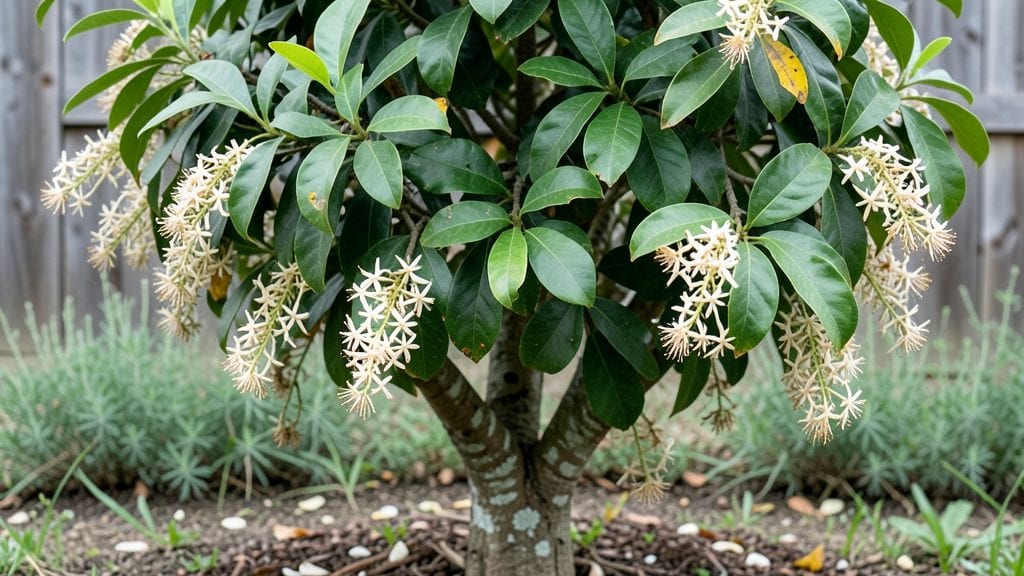
Getting your lychee tree to flower reliably means unlocking those fragrant white blooms that lead to sweet harvests. ✨ I’ve spent years watching lychee trees struggle—until I discovered the three key factors that trigger consistent flowering: precise pruning timing, the right fertilizer balance, and understanding your local climate’s hidden cues.
Most gardeners miss the spring flush window when new growth signals flowering potential. You’ll need sharp pruners, a low-nitrogen fertilizer (like 10-10-10), and a keen eye for the tree’s natural rhythms—especially in subtropical zones where heat stress can stall blooms.
The payoff? A tree that flowers heavily every 2-3 years instead of sporadically.
Once you see those first clusters of tiny buds, you’ll know you’ve cracked the code. The flowers smell like tropical rain, and within months, you’ll be harvesting lychees that taste sweeter than store-bought. The secret isn’t complicated—it’s about working with the tree’s biology, not against it.
This works for both container-grown trees and in-ground plants, though mature trees (5+ years old) respond fastest. Let’s turn your lychee tree into a flowering powerhouse—no guesswork required.
📚 In This Guide
- What you need
- Instructions
- Tips and common mistakes
- Wrapping up and next steps
What you need
- ● Pruning shears: Sharp, bypass-type shears (avoid anvil shears to prevent crushing branches). Size: 6-8 inches (15-20 cm) for medium/large branches.
- ● Hand pruners: For smaller branches and precision cuts. Quantity: 1 pair.
- ● Disinfectant (70% isopropyl alcohol or bleach solution): 1 bottle (16 oz/500 mL) to sterilize tools between cuts.
- ● Garden gloves: Heavy-duty, cut-resistant gloves (e.g., nitrile-coated) to protect hands. Quantity: 1 pair.
- ○ Rake or leaf blower: To clear debris after pruning. Optional but helpful: A tarp for easy cleanup.
- ○ Pruning sealant (optional but recommended): Tree wound sealant (e.g., Tanglefoot Tree Wound Pruning Seal) for cuts larger than ½ inch (1.25 cm). Quantity: 1 small tube.
- ● Notebook & pencil: To log pruning dates, branch notes, and observations.
- ● Watering can or hose: For post-pruning hydration (especially in dry climates).
- ● Lychee tree age: At least 3-5 years old (younger trees focus on root/foliage growth).
- ● Dormant season timing: Prune during late winter/early spring (just before buds swell) in USDA Zones 10-12 (or equivalent tropical/subtropical climates).
- ● Weather conditions: Choose a dry, overcast day to minimize stress on the tree.
- ● Tree health check: Ensure the tree is free of pests/diseases (e.g., lychee borer, sooty mold) before pruning.
- ● Sunlight access: Confirm the tree receives 6+ hours of direct sunlight daily for optimal flowering.
- ● ✨ Tool sharpness: Dull shears cause jagged cuts, which invite infections. Sharpen blades annually or before pruning.
- ● 🌡️ Temperature matters: Avoid pruning if frost is forecasted within 48 hours—lychee trees are sensitive to cold stress.
- ● 📅 Calendar reminder: Mark your lychee tree’s last flowering date to track its cycle and adjust future pruning.
Step-by-Step guide to inducing heavy flowering in lychee trees
Here's how I trigger prolific blooms—using natural cues and precise timing for those coveted harvests.
🌱 Step 1: Establish Proper Dormancy Conditions
Lychees need a cool winter rest to break dormancy and trigger spring flowering. When nighttime temperatures drop below 50°F for 3-4 weeks, your tree signals it's time to wake up. If you're in a warm climate, mimic this with 30-45 days of cooler nights (55-60°F)—I use a shade cloth or move potted trees to a sheltered spot.
Watch for bud swell along the branches—this is your first sign the tree is responding. If buds appear too early, your dormancy period was too short. For container-grown trees, reduce watering by half during this phase to stress the roots slightly, which boosts flowering hormones.
☀️ Step 2: Time Spring Warmth and Sun Exposure
The critical window for flowering opens when daytime temps rise to 70-75°F consistently for 10-14 days after dormancy. At this point, move potted trees to full sun (6+ hours daily) or prune shade cloths to let light penetrate. Lychees need bright, direct light to set flowers—without it, buds will abort.
Here's the thing—if you push warmth too early (before dormancy), the tree will leaf out but skip flowering. You'll see new shoots forming without buds, and that's a wasted cycle. Wait until you spot buds swelling before increasing warmth or fertilizer.
💧 Step 3: Apply Strategic Water and Nutrient Shifts
Once buds appear, reduce watering by 30% to create mild drought stress—this triggers hormone shifts that promote flowering. Water deeply every 7-10 days (until top 6 inches of soil feel dry), but avoid soggy roots. Overwatering now will cause buds to drop.
Switch to a low-nitrogen, high-phosphorus fertilizer (like 5-10-10) when buds form. I apply half-strength every 2 weeks during flowering. Too much nitrogen now will produce leaves instead of flowers. Watch for yellowing leaves—that’s a sign of over-fertilizing.
⏰ Step 4: Monitor Pollination and Protect Blooms
Lychee flowers are self-pollinating but need help—gentle shaking of branches during peak bloom (when 50% of flowers are open) improves fruit set. If you have bees, they’ll do the work, but in enclosed spaces, I hand-pollinate with a soft brush. Avoid harsh sprays or pesticides during this phase—chemicals will kill pollinators.
Protect flowers from wind, frost, or sudden heat spikes. A light frost (below 32°F) will destroy buds overnight. If temps drop unexpectedly, cover the tree with a breathable frost cloth and remove it as soon as temps rise above 40°F. You’ll know you’ve succeeded when flower clusters thicken and small fruit begins to form.
🌿 Step 5: Maintain Post-Flowering Care for Fruit Development
After pollination, increase watering gradually to support fruit growth—aim for deep watering every 5-7 days (until top 4 inches of soil feel dry). Thin young fruit to 6-8 inches apart when they’re 1 inch in diameter to prevent overcrowding. This ensures larger, sweeter lychees.
Continue with balanced fertilizer (10-10-10) every 4 weeks to support fruit maturation. Watch for fruit drop—this is normal as the tree adjusts, but if more than 50% of fruit falls, you may need to adjust water or nutrients. A healthy tree will keep 20-30% of flowers turning into fruit.
Tips & tricks for perfect lychee tree flowering
Mastering lychee tree flowering takes patience and precision—here’s how to fine-tune the process for maximum success.
Temperature Precision: The 50°F nighttime threshold is non-negotiable for dormancy. Use a minimum-maximum thermometer to track temperatures—if nights stay above 60°F for more than 3 days, your tree won’t trigger flowering. For container trees, move them to a garage or shaded patio when temps approach 75°F during the day to maintain that critical balance.
Visual Cues Over Guesswork: In Step 1, don’t rely solely on the clock—watch for bud swell along branches, which signals the tree is ready to transition from dormancy. Early budding means your dormancy period was insufficient; extend it by another 7-10 days of cooler nights. For container trees, reduce watering by half during this phase to mimic natural stress conditions that boost flowering hormones.
Light Management Strategy: The 10-14 days of 70-75°F daytime warmth in Step 2 is your golden window. If your climate doesn’t naturally provide this, use a portable grow light for 6 hours daily to supplement sunlight. Avoid pruning during this period—new growth diverts energy away from flower formation. Instead, focus on removing only dead or diseased branches to maintain the tree’s energy reserves.
Frost Protection Plan: A light frost (below 32°F) can devastate buds overnight. Keep a breathable frost cloth on hand and monitor forecasts using a weather app. If temps drop unexpectedly, cover the tree immediately and remove it when temperatures rise above 40°F—delaying removal can cause heat stress. For container trees, move them to a sheltered location like a garage or under a porch.
Pro Tips for Lychee Tree Flowering
- Mastering lychee tree flowering takes patience and precision—here’s how to fine-tune the process for maximum success.
- Temperature Precision: The 50°F nighttime threshold is non-negotiable for dormancy.
- Visual Cues Over Guesswork: In Step 1, don’t rely solely on the clock—watch for bud swell along branches, which signals the tree is ready to transition from dormancy.
Frequently asked questions
Got questions about getting your lychee tree to flower like a pro? Here are some of the most common ones—and their answers—so you can troubleshoot, plan, and maximize your harvest potential.
When do lychee trees typically flower?
Lychee trees usually flower in late winter to early spring (January–March in tropical/subtropical zones), though timing depends on climate. In cooler regions, flowering may shift to spring or early summer after the last frost. Young trees (under 5 years) may take longer to bloom—patience is key!
How can I tell if my lychee tree is ready to flower?
Watch for these signs: new growth (pinkish buds), sweet fragrance in the air, and leaf flush after dormancy. Older trees (5+ years) often produce panicles (flower clusters) along branches. If your tree is mature but not flowering, check for proper pruning or environmental stress.
What happens if my lychee tree flowers but no fruit forms?
Several factors could be at play: pollination issues (hand-pollinate with a brush if bees are scarce), temperature swings (lychees need warm nights post-bloom), or nutrient deficiencies (add potassium-rich fertilizer). Thin flowers if overcrowded—this directs energy to fewer, healthier fruit.
Can I force a lychee tree to flower earlier?
Forcing flowering is tricky, but you can mimic seasonal cues: reduce water slightly in late fall, prune lightly to stimulate growth, and ensure full sun (6+ hours/day). Avoid fertilizing heavily—too much nitrogen delays blooming. Patience is critical; forcing can stress the tree long-term.
What should I do if my lychee tree flowers but drops buds?
Bud drop often signals environmental stress. Check for: drought (water deeply but avoid soggy roots), extreme heat/cold (provide shade or mulch), or pests (inspect for aphids or mites). Hand-pollinate flowers if needed, and avoid shaking branches—this can dislodge buds prematurely.
Are there alternatives if my lychee tree won’t flower?
If flowering fails year after year, consider: grafting (onto a flowering rootstock), relocating to a sunnier spot, or planting companion trees (like longan) to share pollinators. For container growers, ensure the pot isn’t root-bound—repot if needed. Consult a local agronomist for climate-specific advice!
Wrapping up and next steps
Growing a thriving lychee tree with abundant blooms is all about patience, precision, and a little tropical know-how! 🌸 By understanding your tree’s ideal flowering window, optimizing light, water, and nutrients, and avoiding common pitfalls like over-pruning, you’re well on your way to a bountiful harvest.
Remember, consistency is key—whether you’re adjusting your pruning schedule or monitoring soil health.
Ready to put your new skills into action? Start small: pick one technique from this guide—like thinning flowers or boosting potassium—and track your tree’s response. Over time, you’ll fine-tune your approach, and before you know it, your lychee tree will be bursting with fragrant blossoms and sweet rewards! 🌱✨