
Shrubs
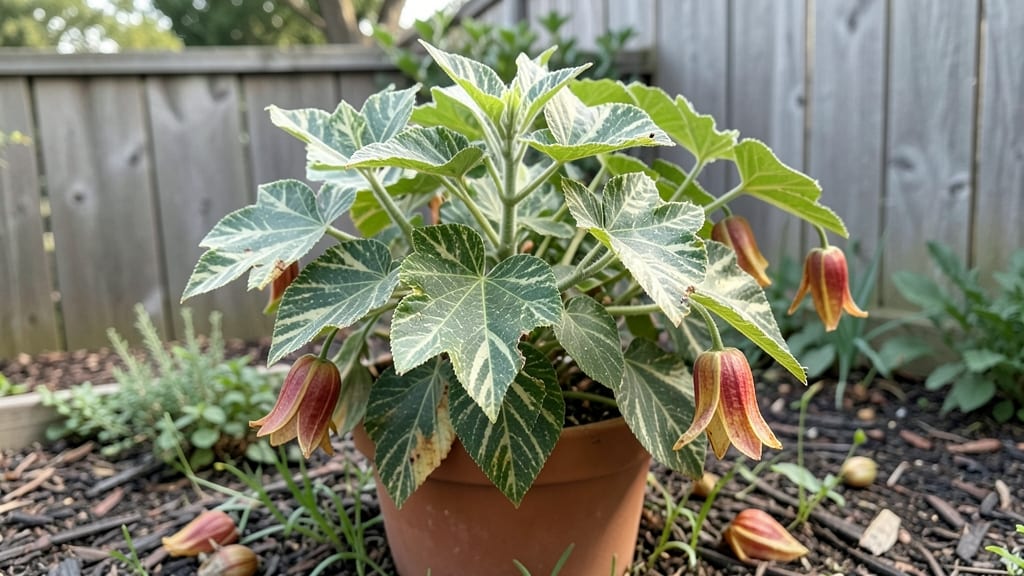
This flowering abutilon, the stunning Tiger Eye maple, bursts into life with velvety leaves and trumpet-shaped blooms that refuse to quit—transforming even shady corners into a fiery tropical haven. 🌿 I fell for it the first time I saw how it brightened my space. foliage and year-round color—no dead seasons, just nonstop show.
The real magic? It thrives where other plants give up, whether you're dealing with partial shade or a small balcony.
You’ll need well-draining soil, a pot with drainage holes, and a spot where it gets at least 4-6 hours of sunlight—morning sun works best if your afternoons run hot. Temperature-wise, it’s a champ: it handles heat waves and won’t bolt when temps dip into the 40s at night.
The key to keeping it lush? Water when the top inch of soil feels dry, and feed it every 6-8 weeks with a balanced fertilizer during growing season.
Pruning is where you unlock its best shape and most blooms. Snip back leggy stems in early spring to encourage bushier growth, and deadhead spent flowers to coax more blooms.
Within 4-6 weeks, you’ll see fresh growth and a denser plant that looks like it’s been growing there for years. The foliage alone is a conversation starter—those tiger-striped leaves glow like embers in the right light.
Container lovers rejoice: this abutilon stays compact enough for 5-gallon pots but can handle up to 15 gallons if you’re growing it as a small shrub. It’s also deer-resistant and pest-free in my experience, though spider mites might pay a visit if the air gets too dry.
The secret to keeping it thriving? Don’t overwater, and give it a little extra humidity if you’re in a dry climate. Once you’ve got it going, it’s the kind of plant that makes neighbors ask, “What’s that?”—and then you get to brag.
📚 In This Guide
- What you need
- Instructions
- Tips and common mistakes
- Wrapping up and next steps
What you need
- ● 1 healthy Abutilon 'Tiger Eye' plant – Look for one with vibrant, variegated foliage and sturdy stems.
- ● Well-draining potting mix (10-15 gallons) – A blend of peat moss, perlite, and compost (or a cactus/succulent mix) works best.
- ● 10-12 inch pot with drainage holes – Terracotta or fabric pots are ideal for airflow.
- ● Slow-release fertilizer (5-10-5 NPK ratio) – Apply at planting and again mid-season.
- ○ Organic mulch (optional but recommended) – Shredded bark or coconut coir to retain moisture.
- ● Pruning shears – For shaping and encouraging bushier growth.
- ○ Gloves (optional) – To protect hands from mild prickliness.
- ● Watering can or hose with a gentle spray nozzle – Avoid soggy soil!
- ● Sunlight access (4-6 hours daily) – Bright, indirect light for indoors; partial shade outdoors in hot climates.
- ● Humidity tray or pebble tray (indoors) – Helps mimic tropical conditions.
- ● Grow lights (LED or fluorescent) – For winter indoor growth if natural light is limited.
- ● Epsom salt (magnesium sulfate) – A monthly foliar spray boosts variegation.
- ● Support stakes or trellis – If your plant grows tall and leggy.
Step-by-step guide to growing abutilon 'Tiger Eye'
Here's how to coax vibrant blooms and lush foliage from this tropical favorite.
🌱 Step 1: Choose the Right Spot and Prepare the Soil
Place your 'Tiger Eye' abutilon in a location with bright, indirect light—think filtered sun through sheer curtains. Direct afternoon sun will scorch those stunning variegated leaves, so a north or east-facing window is ideal. If growing indoors, supplement with a grow light positioned 12-18 inches away for 12-14 hours daily.
Use a well-draining potting mix—this plant hates soggy roots. I mix 2 parts potting soil with 1 part perlite to ensure excess water drains quickly. Fill a 6-8 inch pot (one per plant) with this blend, leaving 1 inch of space at the top for watering. Tap the pot gently to settle the soil without compacting it too much.
☀️ Step 2: Plant and Water for Establishment
Remove the plant from its nursery pot and loosen the roots slightly if they're circling. Place it in the prepared pot so the top of the root ball sits ½ inch below the rim—this prevents soil from spilling out when you water. Press the mix lightly around the edges to secure the plant but don't pack it down.
Water thoroughly until water runs out the drainage holes, then let it drain completely. After that, water only when the top 1-2 inches of soil feel dry—overwatering is the fastest way to kill this plant. Yellowing leaves? That's your cue to cut back on watering. I like to use room-temperature water to avoid shocking the roots.
💧 Step 3: Encourage Blooms with Proper Care
Feed your abutilon every 4-6 weeks in spring and summer with a balanced liquid fertilizer (10-10-10 or 20-20-20). Dilute it to half-strength—too much fertilizer burns the roots. Stop fertilizing in fall and winter when growth slows. You'll see new blooms within 4-6 weeks of consistent feeding.
Pinch back the tips of new growth in early spring to encourage bushier, fuller plants. This also triggers more flowering stems. I snip just above a leaf node with clean scissors, and within 2-3 weeks, you'll notice fresh new shoots forming. Deadhead spent blooms regularly to keep the plant looking tidy and encourage continuous flowering.
⏰ Step 4: Maintain Through Seasonal Changes
In summer, when temperatures rise above 85°F, move your abutilon to a cooler spot or increase airflow with a small fan. Heat stress causes buds to drop before they open. If you notice leaves curling or wilting, that's your signal to adjust. In winter, reduce watering to every 2-3 weeks—the plant enters a natural dormant phase.
Rotate the pot a quarter turn weekly so the plant grows evenly toward the light. You'll see straighter stems and more uniform foliage within a month. If you notice pests like spider mites on the undersides of leaves, wipe them off with a damp cloth or treat with neem oil—this plant is tough but hates being stressed by infestations.
🌿 Step 5: Prune and Propagate for Long-Term Growth
Every late winter or early spring, give your abutilon a hard prune—cut back ⅓ of the plant's height to shape it and remove any leggy or bare stems. This rejuvenates the plant and sets it up for a fresh flush of growth. I prune just above a leaf node, always using clean, sharp scissors to avoid tearing the stems.
To propagate, take 4-6 inch cuttings from healthy stems in spring or summer. Dip the cut end in rooting hormone (optional but helpful), then place in a small pot with moist perlite or sand. Cover with a plastic bag to retain humidity and keep in bright, indirect light. Roots should form in 4-6 weeks—you'll see new growth at the base as your signal to transplant.
Tips & tricks for perfect abutilon 'Tiger Eye' care
Here's what I've learned after growing this stunning plant for years—these tricks will help you avoid common pitfalls and get the most vibrant foliage and blooms.
Lighting Secret: That 12-14 hours of grow light daily is non-negotiable for indoor plants. I've found that positioning the light just 12 inches away gives the perfect balance—closer than 12 inches can scorch those delicate variegated leaves, while anything beyond 18 inches makes the plant stretch toward the light. For extra insurance, I rotate the plant ¼ turn weekly to ensure even growth on all sides.
Soil Strategy: The 2:1 ratio of potting soil to perlite is crucial for preventing soggy roots. I've learned the hard way that adding orchid bark (about 10% of the mix) helps with aeration too—just don't skip the perlite entirely. When repotting, always use a pot just 1-2 inches larger than the current one to prevent root rot from excess moisture.
Fertilizing Timing: Those 4-6 week intervals between feedings are perfect, but here's the trick: Always fertilize after watering so the roots have time to absorb nutrients before the next watering. I've also found that switching to a bloom-specific fertilizer (like 10-30-20) in late winter gives me more vibrant flowers. The key is consistency—never miss two feedings in a row during the growing season.
Heat Management: When temperatures hit that 85°F threshold, I move my abutilon to a spot with better airflow immediately. A small USB fan on low setting (about 12 inches away) works wonders for preventing bud drop. In winter, I actually increase humidity around the plant by placing the pot on a tray of pebbles with water—this mimics the tropical conditions it loves.
Pro Tips for Abutilon Flowering Maple Tiger Eye
- Here's what I've learned after growing this stunning plant for years—these tricks will help you avoid common pitfalls and get the most vibrant foliage and blooms.
- Lighting Secret: That 12-14 hours of grow light daily is non-negotiable for indoor plants.
- Soil Strategy: The 2:1 ratio of potting soil to perlite is crucial for preventing soggy roots.
Frequently asked questions
Got questions about growing and caring for Abutilon 'Flowering Maple Tiger Eye'? You’re not alone!
Here are some of the most common queries—plus quick, actionable answers to keep your plant thriving and stunning.
How fast does the Tiger Eye Abutilon grow, and how big will it get?
The Abutilon 'Tiger Eye' is a moderate grower, typically adding 6–12 inches per year with proper care. At maturity, it reaches 3–5 feet tall and 2–3 feet wide, making it perfect for containers or as a small shrub in garden beds. Prune regularly to encourage bushier growth and prevent legginess.
When does the Tiger Eye Abutilon bloom, and how can I encourage more flowers?
This variety blooms year-round in warm climates (USDA Zones 9–11) and from spring to frost in cooler areas. To boost flowering:
- Prune after blooms fade to promote new growth.
- Provide full sun to partial shade (6+ hours of light).
- Avoid overwatering—let soil dry slightly between waterings.
- Fertilize lightly with a balanced 10-10-10 formula every 4–6 weeks in spring/summer.
What pests commonly attack Abutilon, and how do I treat them?
Watch for spider mites, aphids, and whiteflies, which love this plant’s lush foliage. Here’s how to tackle them:
- Blast pests off with a strong spray of water.
- Use insecticidal soap or neem oil for mild infestations.
- Introduce beneficial insects like ladybugs or lacewings for natural control.
- Isolate heavily infested plants to prevent spread.
Can Tiger Eye Abutilon survive winter, and how do I protect it?
In Zones 8 and below, this tender perennial needs winter care. Bring container plants indoors or mulch heavily and wrap the pot in burlap. For in-ground plants, cut back stems, cover with frost cloth, and add extra mulch. Resume watering lightly in early spring once frost risk passes.
Are there similar Abutilon varieties with bold foliage and flowers?
If you love Tiger Eye’s striking variegation, check out these showstoppers:
- 'Bella Mix': Vibrant red, orange, and yellow blooms with lush green leaves.
- 'Variegatum': Cream-and-green foliage with soft pink flowers.
- 'Sensation': Deep burgundy leaves and fiery red-orange blooms.
- 'Jungle Bird': Bold red foliage and orange-red flowers.
Wrapping up and next steps
The Abutilon "Flowering Maple Tiger Eye" is a stunning addition to any garden, offering bold, variegated foliage and year-round blooms that bring joy with minimal fuss.
Whether you're a seasoned gardener or just starting, its adaptability and striking appearance make it a winner—perfect for containers, borders, or as a focal point. Ready to transform your outdoor space? Grab your gloves, pick a sunny spot, and plant yours today! 🌿✨
- Next step: Check your local nursery or order online to get your Tiger Eye on its way home!