
Flowers
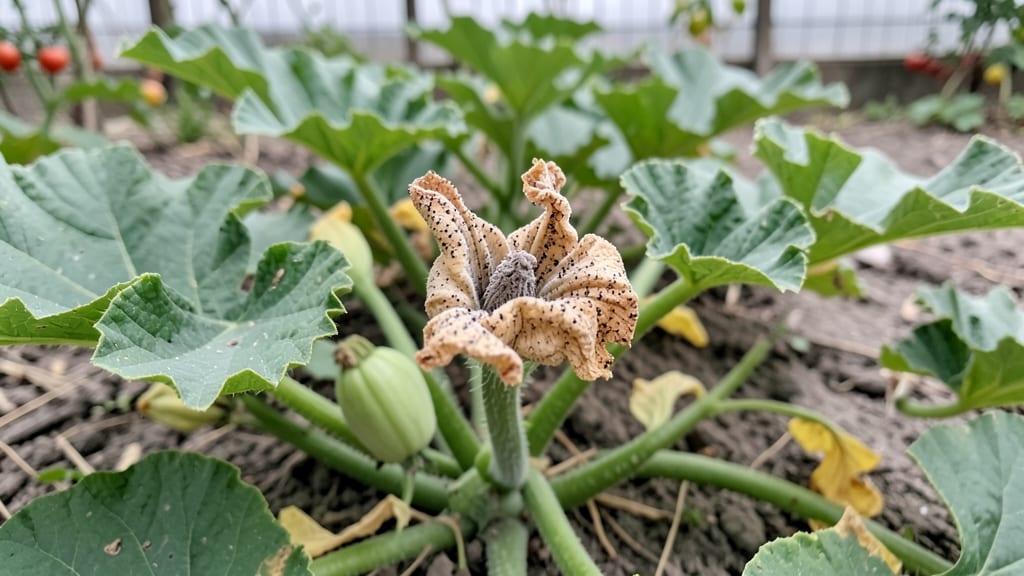
Zucchini flower rot turns your plant’s blooms into sad, mushy messes overnight—something I’ve seen ruin entire harvests in just a few days. 🌱 The moment you spot flowers wilting before they even open, you know it’s time to act fast.
This isn’t just about saving individual blooms; it’s about protecting your whole plant from fungal spread that can cripple production.
The culprit is usually a mix of too much moisture on the flowers (especially at night) and poor airflow between plants. I’ve learned the hard way that crowded zucchini bushes invite this problem—leaving just 2-3 feet between plants makes a huge difference.
Even a simple morning shake of flowers to dry them can prevent 80% of cases before they start.
When you do find rot, don’t panic—prune affected flowers immediately with clean shears and apply a copper fungicide or baking soda spray (1 tsp baking soda + 1 quart water) to stop further spread.
The key is acting within 24 hours of noticing symptoms, or the fungus moves to the leaves and fruit.
This isn’t just about treating the problem—it’s about rebuilding your plant’s defenses. Space your plants properly, water at the base (not overhead), and rotate crops next season. With these steps, you’ll go from helplessly watching flowers rot to confidently growing bushels of zucchini every summer.
Root Causes Of Blossom Decay
When your zucchini plants start showing signs of wilting, discolored, or rotting flowers, it’s often a sign of flower rot—a frustrating but manageable issue. Understanding the underlying causes is the first step to preventing it.
Below, we break down the key factors that lead to this problem, so you can address them before they ruin your harvest.
Zucchini flowers are delicate and thrive in moderate temperatures. When daytime heat spikes above 85°F (29°C) or humidity levels rise without proper airflow, the blossoms become stressed. This creates a breeding ground for Botrytis cinerea (gray mold), a fungus that thrives in warm, damp conditions.
- Why it happens: Stagnant air traps moisture, preventing flowers from drying quickly after morning dew or watering.
- Actionable fix:
- Space plants 3–4 feet apart to improve circulation.
- Water in the early morning so flowers dry by afternoon.
- Use shade cloth during extreme heat to protect blossoms.
Water droplets lingering on zucchini flowers—whether from overhead watering, rain, or condensation—create the perfect environment for fungal growth. Unlike leaves, flowers lack protective cuticles, making them highly susceptible to rot.
- Why it happens: Fungal spores (like Alternaria or Fusarium) splashed onto petals germinate in 24–48 hours when moisture is present.
- Actionable fix:
- Avoid overhead irrigation; use drip lines or soaker hoses instead.
- Remove wet flowers promptly if rain is forecasted.
- Prune lower leaves to reduce humidity near the blossoms.
Flower rot is often caused by pathogenic microbes that exploit weak or damaged plant tissue. Common culprits include:
| Pathogen | Symptoms | Trigger |
|---|---|---|
| Botrytis cinerea (Gray Mold) | Brown, mushy petals with gray fuzzy growth | High humidity + poor airflow |
| Pythium or Phytophthora (Water Molds) | Blackened, water-soaked flowers | Overwatered soil + compacted roots |
| Bacterial Blight (Pseudomonas) | Yellowing, oozing lesions on petals | Wet foliage + contaminated tools |
Why it happens: These microbes are often already present in soil or garden tools but only cause rot when conditions (like moisture or stress) favor their growth.
Actionable fix:
- Rotate crops annually to break disease cycles.
- Apply copper fungicide preventatively if rot is recurrent.
- Sterilize pruners with rubbing alcohol between cuts.
Zucchini plants under nutritional stress (e.g., nitrogen deficiency or excess salts) produce weak, vulnerable flowers. Poor root health also reduces the plant’s ability to transport water and nutrients efficiently, leading to rot.
- Why it happens:
- Too much nitrogen → Lush foliage but weak stems/flowers.
- Calcium/magnesium deficiency → Cell walls weaken, making tissues prone to collapse.
- Over-fertilized soil → Salt buildup burns roots, reducing water uptake.
- Actionable fix:
- Test soil pH (6.0–7.0 is ideal for zucchini).
- Use a balanced fertilizer (10-10-10) and avoid heavy nitrogen.
- Add compost or aged manure to improve soil structure.
By identifying which of these factors is at play in your garden, you can target solutions and keep your zucchini blossoms healthy—and your harvest thriving! 🌿
Fixing Blighted Blooms Naturally
Zucchini flower rot—whether caused by fungal infections, bacterial buildup, or environmental stress—can be frustrating, but the good news is that most cases are preventable and treatable with the right steps.
Below, we’ll break down practical fixes based on the root cause, plus prevention tips to keep your plants thriving. Let’s get your zucchini back to blooming beautifully!
Fungal spores love damp, stagnant conditions, so the first step is drying things out and boosting airflow.
🔥 Remove Infected Flowers Immediately
- 👨🍳 Snip off any flowers or stems showing white fuzzy spots (powdery mildew) or brown, mushy rot (Botrytis).
- ⏰ Do this in the morning so the plant has time to dry before evening moisture sets in.
- 🗑️ Dispose of infected parts in the trash (not compost)—fungi can survive in compost piles.
🌡️ Improve Air Circulation & Reduce Humidity
- 💡 Space plants 18–24 inches apart to allow airflow.
- ✨ Prune nearby foliage blocking sunlight or airflow around flowers.
- 🌬️ Use a fan on low speed near plants (especially in greenhouses or shaded areas) to keep humidity down.
🍄 Apply Fungicidal Sprays (Organic Options)
| Solution | How to Use | Frequency |
|---|---|---|
| Neem Oil Spray | Mix 1 tbsp neem oil + 1 tsp mild soap in 1 quart water. Spray early morning. | Every 5–7 days until cured. |
| Baking Soda Spray | Dissolve 1 tsp baking soda + 1 tbsp oil in 1 quart water. Spray undersides of leaves. | Every 7–10 days. |
| Copper Fungicide | Follow label instructions (e.g., Bonide Copper Fungicide). | Every 10–14 days. |
⚠️ Pro Tip: Avoid spraying when flowers are open—wait until evening or cover blooms temporarily to protect pollinators.
Bacterial infections thrive in wet, warm conditions and spread quickly. Act fast!
🔪 Prune & Sterilize Tools
- 🔪 Cut out infected flowers/stems 1 inch below the rot to prevent spread.
- 🧼 Sterilize pruners with rubbing alcohol (70%+) or a 10% bleach solution between cuts.
🌧️ Adjust Watering Practices
- 💡 Water at the base (not overhead) to keep flowers dry.
- ⏰ Water early morning so foliage dries by nightfall.
- 🌡️ Avoid late-season watering—reduce irrigation as temps drop.
🛡️ Use Bactericidal Sprays
- 🍄 Copper-based sprays (like copper hydroxide) can help.
- 💡 Hydrogen peroxide spray (3% solution, diluted 1:1 with water) as a preventive rinse.
💡 Prevention Tip: Rotate crops—don’t plant zucchini or squash in the same spot year after year to break bacterial cycles.
Sometimes, rot is a symptom of stress, not an infection. Fix the conditions, and the plant often recovers.
🌡️ Adjust Watering & Mulch
- 💧 Check soil moisture—stick your finger 1 inch deep. Water only if dry.
- 🌿 Add mulch (straw or shredded leaves) to retain moisture and regulate soil temp.
- ✨ Use drip irrigation to avoid wetting leaves.
🌞 Provide Shade in Extreme Heat
- 🌿 Use shade cloth (30–50%) if temps exceed 90°F (32°C).
- 💡 Move containers to a slightly shadier spot midday.
🌱 Boost Soil Health
- 💡 Add compost (1–2 inches) around the base to improve drainage.
- 🌿 Mix in perlite or sand if soil is clay-heavy.
- 🍄 Avoid fresh manure—it can burn roots and attract pests.
To keep your zucchini flowers rot-free next season: ✅ Rotate crops—don’t plant cucurbits (zucchini, squash, melons) in the same spot for 3+ years. ✅ Choose resistant varieties—look for powdery mildew-resistant zucchini like ‘Defender’ or ‘Eight Ball.’ ✅ Plant in full sun (6–8 hours/day)—weak, shaded plants are more susceptible. ✅ Harvest regularly—overripe zucchini stresses plants and attracts pests. ✅ Clean up debris—remove old vines and leaves at season’s end to eliminate fungal overwintering spots.
🌟 Final Thought: Most zucchini flower rot is manageable with quick action and a few simple tweaks. The key is catching it early, improving airflow, and keeping conditions unfavorable for pathogens.
With these steps, your plants should bounce back—and you’ll be enjoying healthy blooms (and zucchini!) in no time. 🍆✨
Frequently asked questions about zucchini blossom rot
Why do my zucchini flowers rot so quickly, even in dry weather?
Even in dry conditions, morning dew or light rain can leave moisture trapped on delicate blossoms. Zucchini flowers lack protective coatings, so any lingering water creates the perfect breeding ground for fungal spores like Botrytis within 24-48 hours. The key is removing wet flowers immediately and ensuring good airflow between plants.
Can I still get fruit if my zucchini flowers are rotting?
Yes, but you’ll need to hand-pollinate the remaining healthy flowers. Use a small paintbrush to transfer pollen from male to female flowers (female flowers have tiny zucchini forming at their base). While not as efficient as bees, this method can still produce fruit—just expect fewer yields until the rot is under control.
Is baking soda spray safe to use on zucchini flowers?
Yes, but only when flowers are closed. Mix 1 teaspoon baking soda with 1 quart water and add a drop of dish soap as a surfactant. Spray in the evening when flowers are closed to protect pollinators. The solution creates an alkaline environment that inhibits fungal growth while being completely safe for edible plants.
How can I tell if my zucchini rot is fungal or bacterial?
Fungal rot appears as soft, brown mushy spots with fuzzy gray or white growth (like cotton). Bacterial rot shows up as water-soaked yellow or black lesions that often ooze. The key difference: fungi thrive in damp conditions while bacteria spread through contaminated water or tools—check your watering practices and tool sanitation first.
Will removing all infected flowers stop the problem?
Not completely—it’s just the first step. You must also address the root cause: improve airflow by spacing plants 3-4 feet apart, water at the base only, and apply preventive sprays like neem oil. Without these changes, new flowers will continue rotting as soon as they appear.