
Pruning
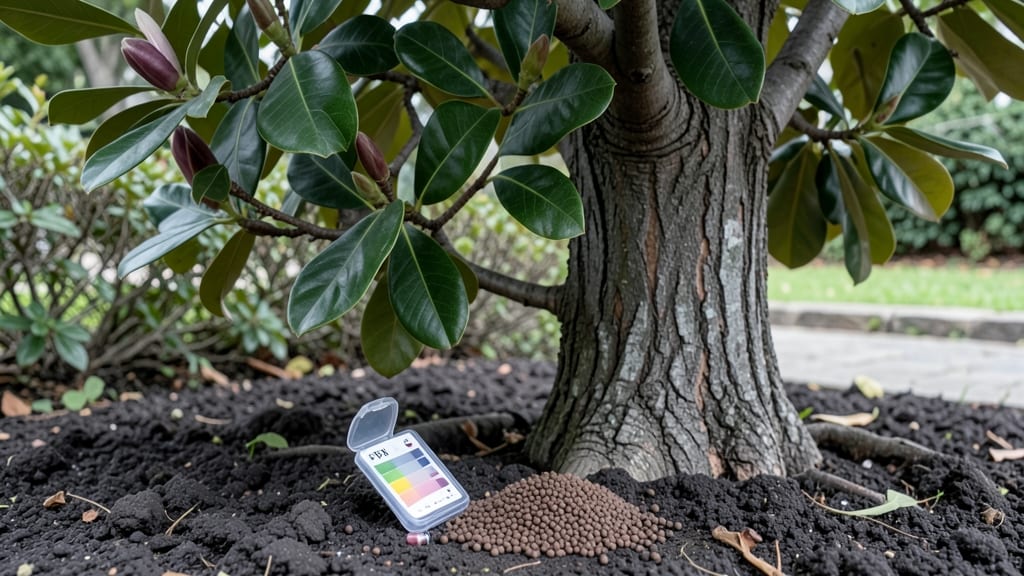
Why doesn’t my magnolia tree flower—it’s likely too young, starved for sunlight, or overpruned, turning vibrant blooms into disappointment. 🌸 I’ve nursed back three struggling magnolias by fixing these exact issues, and the first flowers always arrive like a reward for patience.
The good news? Most problems are reversible with simple adjustments to light, timing, and pruning habits.
Magnolias need full sun (6+ hours daily) to set buds, but many gardeners plant them under shade trees or near buildings that block light. Young trees under 10 years old won’t flower yet—they’re saving energy for growth.
And pruning at the wrong time (spring instead of late winter) can remove next year’s blooms before they form. Even mature trees need a light trim only after flowering to avoid stress.
You’ll see buds form within 1-2 seasons after correcting light exposure and pruning. For shade-loving varieties like Magnolia stellata, partial shade works, but blooms will be sparser. The key is consistency: water deeply once a week (unless it rains) and avoid heavy pruning—just shape lightly.
With these fixes, your tree will burst into fragrance and color, proving patience pays off.
Works for all magnolia types, from dwarf Magnolia 'Little Gem' to towering Magnolia grandiflora. Here’s how to diagnose your tree’s specific needs and bring back those showstopping blooms.
Hidden Reasons Your Magnolia Stays Bare
Magnolias are nature’s showstoppers—bold, fragrant, and dripping with floral drama. But when those signature blooms refuse to appear, it’s like watching a silent movie. The good news?
Most flowering failures boil down to a few key culprits. Let’s dig into the science behind why your magnolia might be holding back its blossoms.
Magnolias are slow and steady bloomers. Some varieties, like Magnolia grandiflora (Southern magnolia), can take 5–10 years to produce their first flowers, while others, such as Magnolia stellata (star magnolia), may bloom earlier—sometimes as young as 3–5 years.
The reason? Their energy is focused on root and branch development before they commit to floral production.
🔍 How to tell: Check the tree’s age (if you planted it) or look for thick, woody stems—signs it’s still growing structurally.
💡 Pro tip: If your magnolia is under 5 years old, patience is key. Avoid heavy pruning or fertilizer shocks, which can delay flowering further.
Magnolias are light-loving divas, but not all light is equal. Most varieties thrive in full sun (6–8 hours daily), though some, like Magnolia soulangeana (tulip magnolia), tolerate partial shade (4–6 hours).
Too little light = no flowers. Too much harsh afternoon sun (especially in hot climates) can stress the tree, also stunting blooms.
📊 Light needs by variety:
Variety
Ideal Light
Flowering Risk in Shade
Magnolia grandiflora
Full sun (6+ hours)
❌ Minimal blooms
Magnolia stellata
Partial shade (morning sun)
⚠️ Fewer, smaller flowers
Magnolia × soulangeana
Partial sun (dappled light)
❌ Delayed or no blooms
🔍 How to tell: If nearby trees or structures block sunlight for most of the day, your magnolia is likely light-deprived.
🌿 Fix it: Thin out competing foliage or transplant to a sunnier spot. For hot climates, provide afternoon shade to prevent stress.
Magnolias need dormancy cues—specifically, a period of cool weather (below 45°F/7°C) for 100–300 hours—to trigger flower buds. Without enough chill hours:
- Bud formation fails entirely.
- Existing buds drop off before blooming.
- Flowers appear smaller or sparse.
🌡️ Chill hour needs by region:
- Southern magnolias (grandiflora): 100–200 hours (mild winters).
- Northern varieties (stellata, kobus): 300–600 hours (colder winters).
- Tulip magnolias (soulangeana): 200–400 hours.
🔍 How to tell: If you’re in a warm-winter zone (Zones 8–10) and your magnolia blooms erratically, chill hours are likely the issue.
✨ Workaround: In warm climates, avoid winter pruning (which can stimulate growth when the tree needs dormancy). Some gardeners use artificial chill treatments (like refrigerating potted magnolias for 4–6 weeks in winter), but this is tricky and best for nursery stock.
Magnolias hate aggressive pruning, especially when it comes to flower buds. Here’s why:
- Flower buds form the previous summer/fall and sit on old wood (last year’s growth). Cutting them off = no blooms.
- Heavy pruning stimulates new growth, which diverts energy away from flowering.
- Topping or shearing distorts the tree’s shape, reducing sunlight penetration to inner buds.
🔪 Common pruning mistakes:
- Pruning in late winter/early spring (when buds are setting).
- Removing more than 20% of the canopy at once.
- Cutting into old, woody branches where buds hide.
💡 Pro tip: If you must prune, do it right after flowering (late spring/early summer) and never remove more than 10–15% of the tree. Use clean cuts just above a bud or branch collar.
A magnolia under stress prioritizes survival over flowers. Common stressors:
- Poor soil drainage: Roots suffocate in soggy soil, starving the tree of nutrients.
- Compacted or clay-heavy soil: Restricts root growth, limiting water/nutrient uptake.
- Over- or under-fertilizing:
- Too much nitrogen = Leafy growth, no flowers.
- Too little phosphorus = Weak bud formation.
- Pests/diseases (e.g., magnolia scale, root rot) drain energy.
📊 Ideal soil conditions:
Factor
Magnolia Needs
pH
Acidic to slightly acidic (5.0–6.5)
Drainage
Well-draining (amend clay with compost or sand)
Fertilizer
Balanced (10-10-10 or 8-3-9) in early spring
🔍 How to tell: Yellowing leaves, stunted growth, or a tree that leans or wilts in heat are red flags.
🌿 Fix it: Test your soil, amend with organic matter, and fertilize lightly in early spring. Avoid synthetic fertil
Quick Fixes for Non-Blooming Magnolia
If your magnolia tree is refusing to flower, don’t panic—most issues have simple, actionable solutions. Below, we’ve mapped out the most common causes and their fixes, so you can get your tree back on track with minimal effort. 🌸✨
Magnolias often take 3–10 years to mature enough for flowering. If yours is still young, focus on nurturing it for future blooms.
🔥 How to Help a Young Tree Thrive
- 🍃 Provide full sun (6+ hours/day) – Most magnolias need bright, direct light to develop buds.
- 💧 Water deeply but infrequently – Overwatering stresses roots; aim for 1–2 inches per week (adjust for clay soil).
- 🌱 Feed with acidic fertilizer – Use a balanced 10-10-10 or acid-loving plant fertilizer in early spring.
- 🌡️ Protect from late frosts – Young trees are frost-sensitive; cover blooms if frost is forecasted.
💡 Prevention Tip:
Plant in well-draining soil with a 2–3 inch layer of mulch (keep mulch away from the trunk) to encourage strong root growth.
Magnolias crave sunlight—especially southern and star varieties. Shade-loving types (like Magnolia grandiflora) still need 4–6 hours of direct light.
🔥 How to Fix Light Issues
- 📏 Assess your tree’s location – If it’s in deep shade (under tall trees, buildings, or dense foliage), consider transplanting to a sunnier spot.
- 🌳 Prune overhanging branches – Remove limbs from nearby trees blocking light.
- 🌅 Try a sun-loving variety – If your current spot is permanently shady, switch to a Magnolia stellata (star magnolia) or Magnolia ‘Jane’, which tolerate partial shade better.
💡 Prevention Tip:
When planting, choose a location with morning sun and afternoon shade—this balances heat stress while maximizing light exposure.
Pruning at the wrong time or too aggressively can remove next year’s flower buds. Magnolias bloom on old wood, so heavy cuts stimulate new growth—but not blooms.
🔥 How to Prune Correctly
- ⏰ Prune after flowering – Wait until late spring or early summer to avoid cutting off developing buds.
- 🌿 Remove only dead/diseased wood – Use clean, sharp pruners to make 45-degree cuts just above a healthy bud.
- 🚫 Avoid heavy thinning – Never remove more than 25% of the canopy in one season.
- 🌱 Shape lightly for airflow – Open the center slightly to reduce humidity (which causes fungal issues).
💡 Prevention Tip:
If your tree has long, leggy branches, do a light structural prune in late winter to encourage bushier growth—without cutting back into old wood.
Magnolias are sensitive to heatwaves, drought, and frost. If your tree is struggling with environmental stress, it may skip flowering.
🔥 How to Protect Your Tree
- 💧 Deep water during droughts – Use soaker hoses to water roots 12–18 inches deep weekly.
- 🌬️ Mulch heavily in summer – Spread 3–4 inches of mulch to retain moisture and cool roots.
- 🛡️ Frost-proof blooms – If late frost threatens, drape frost cloth over flowers or use a sprinkler system to create ice crystals (which insulate buds).
- 🌧️ Drain excess water – Magnolias hate soggy roots; ensure proper drainage slopes away from the trunk.
💡 Prevention Tip:
Plant windbreaks (like bamboo or evergreens) on the north and west sides of your tree to shield it from harsh winds and cold drafts.
Poor soil drainage, pH, or nutrient deficiencies can stunt flowering. Most magnolias prefer acidic, well-draining soil (pH 5.0–6.5).
🔥 How to Improve Soil Health
- 📊 Test your soil – Use a home pH test kit or send a sample to a local extension office.
- 🌿 Amend with organic matter – Mix in compost, peat moss, or pine bark to improve drainage and acidity.
- 💪 Fertilize properly – Apply an acid-loving fertilizer (like Miracle-Gro Azalea, Camellia & Rhododendron) in early spring.
- 🚫 Avoid lime – Lime raises pH; stick to sulfur or pine needles for acidification.
💡 Prevention Tip:
If your soil is clay-heavy, dig in coarse sand or perlite to improve aeration before planting.
With these fixes, your magnolia should start producing stunning blooms in 1–3 years. Keep an eye on its progress, and don’t hesitate to adjust care as needed! 🌺🌿
Frequently asked questions
How do I know if my magnolia is too young to flower?
Most magnolias take 3–10 years to produce their first blooms, depending on the variety. Check for thick, woody stems and a mature trunk—these indicate structural growth rather than floral development. Young trees under 5 years old rarely bloom, so focus on providing full sun and proper care instead.
Can I force my magnolia to flower faster?
No, but you can optimize conditions to encourage blooms sooner. Ensure it gets 6+ hours of sunlight daily, uses well-draining, acidic soil (pH 5.0–6.5), and receives balanced fertilizer in early spring. Avoid heavy pruning or overwatering, as these delay flowering. Patience is key—most trees bloom within 1–3 years of proper care.
Why does my magnolia have buds but no flowers?
Bud drop often happens due to insufficient chill hours (cool winter temperatures) or late frost damage. Southern varieties need 100–200 hours below 45°F, while northern types require 300–600 hours. If buds form but fall off, protect them with frost cloth or a sprinkler system during late frosts. Warm climates may need artificial chill treatments for potted trees.
Is it okay to prune my magnolia if it’s not flowering?
Yes, but do it after flowering (late spring/summer) to avoid cutting off next year’s buds. Never remove more than 10–15% of the canopy—magnolias bloom on old wood. Focus on removing dead branches or shaping lightly. Heavy pruning stimulates new growth but diverts energy away from blooms, delaying flowers for 1–2 years.
Could my magnolia’s lack of flowers be from pests or disease?
Yes, pests like magnolia scale or diseases such as root rot can stress the tree, causing it to skip flowering. Look for sticky residue (scale), yellowing leaves (nutrient loss), or wilting (root issues). Treat with horticultural oil for scale or improve drainage for root rot. A healthy tree prioritizes survival over blooms, so address stressors first.