
Trees
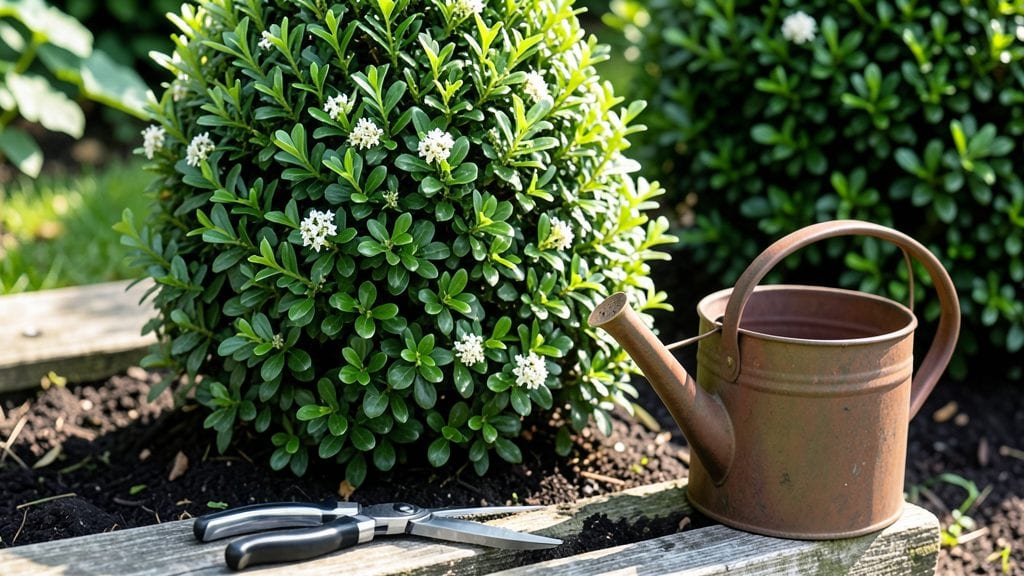
Creating topiary flowering trees that wow year-round starts with the right plants and a steady hand. 🌿 I’ve shaped roses into spirals and lilacs into geometric forms—both bloom like crazy while keeping their sculpted lines.
The secret lies in choosing species that handle pruning well and still reward you with flowers.
You’ll need sharp pruning shears, a sturdy stake for support, and a clear vision of your design—whether it’s a classic spiral, animal silhouette, or abstract shape. Start with young trees or shrubs like Japanese maples, flowering cherries, or even some rose varieties that take pruning like pros.
The key is pruning at the right time: after blooms fade but before new growth starts.
By summer, your topiary will burst with color while staying perfectly shaped. The blooms add a romantic touch, and the structured form gives your garden a polished, high-end look. Just remember: regular trims keep the shape tight, and feeding the roots ensures those flowers keep coming back bigger each year.
Works for formal gardens, cottage-style yards, or even container displays. Once you master the basics, the possibilities are endless—from whimsical shapes to grand architectural statements. Let’s get shaping!
📚 In This Guide
- What you need
- Instructions
- Tips and common mistakes
- Wrapping up and next steps
What you need
- ● Flowering Tree Varieties: Choose from Buxus sempervirens (Boxwood), Lagerstroemia (Crape Myrtle), or Forsythia—ensure they’re pruning-friendly and bloom prolifically.
- ● Potting Soil: 5–10 gallons of well-draining, nutrient-rich mix (e.g., 60% peat/coir, 30% perlite, 10% compost).
- ● Fertilizer: Slow-release granular fertilizer (10-10-10 NPK ratio) or organic options like worm castings.
- ● Pruning Shears: Bypass shears (sharp, 6–8" blades) for clean cuts.
- ● Wire or Twine: 18–22-gauge aluminum wire or jute twine (for shaping young branches).
- ● Support Stakes: 3–4 wooden or bamboo stakes (for tall designs).
- ○ Optional: Hand pruners (for thicker branches).
- ● Topiary wire (pre-bent for complex shapes).
- ● Spray bottle (for misting during hot days).
- ● Mulch (2–3" layer of shredded bark to retain moisture).
- ● Prerequisites: Sunlight: 6+ hours daily (adjust for shade-tolerant varieties).
- ● Watering schedule: Deep watering 2–3x weekly (adjust for climate).
Step-by-step guide to pruning and shaping flowering topiary trees
Here’s how to transform ordinary flowering trees into stunning, sculpted masterpieces—without sacrificing their beauty or health.
🪴 Step 1: Choose the Right Tree and Tools
Start with a flowering tree that responds well to pruning, like lilac, forsythia, or crepe myrtle. These varieties handle shaping better than delicate bloomers like magnolias. Gather your tools: sharp bypass pruners for clean cuts, hand pruners for smaller branches, a handsaw for thicker limbs, and gloves to protect your hands from thorns or rough bark.
I always disinfect my tools with 70% rubbing alcohol before and after pruning to prevent disease spread. This is especially important when working with flowering trees, as open wounds can invite infections that ruin blooms. Choose a dry, overcast day for pruning—bright sun stresses the plant and causes excessive sap loss.
✂️ Step 2: Establish the Basic Structure
Begin by removing any dead, diseased, or crossing branches—these are your first priorities. Cut back to the outer bud or the branch collar (the swollen area where the branch meets the trunk) to encourage healthy regrowth. For flowering trees, I avoid heavy pruning during bloom season, as this removes next year’s flower buds.
Next, shape the tree’s silhouette. For a formal topiary, start with a central leader (the main upward-growing branch) and remove competing vertical stems. Use your pruners to trim branches at a 45-degree angle just above an outward-facing bud to encourage outward growth. This step takes patience—don’t rush. You’ll see the framework come together slowly, but it’s the foundation for everything else.
🌿 Step 3: Refine the Foliage for Definition
Once the basic shape is set, focus on the foliage. For a rounded topiary, trim the outer edges to create a smooth, curved silhouette. Use your fingers to feel the natural growth pattern—this helps you identify where to make cuts for a more organic (and less stiff) look. For geometric shapes, like spirals or cubes, use a string or wire guide to mark where branches should end.
I like to step back every few minutes to check my progress—it’s easy to get too close and miss the bigger picture. Trim small branches first, then move to larger ones. Always cut back to a leaf node or bud, never to bare wood. This ensures the tree continues to grow lushly where you want it.
☀️ Step 4: Maintain Shape and Encourage Blooms
After the initial shaping, light maintenance pruning keeps your topiary in form. Trim new growth in early spring (before buds swell) or late summer (after flowering) to avoid removing next year’s blooms. For flowering trees, I focus on thinning out dense areas to improve airflow and sunlight penetration—this prevents fungal diseases and encourages more vibrant flowers.
Feed your tree with a balanced, slow-release fertilizer in early spring to support new growth. Water deeply once a week (or more in extreme heat) to keep the soil 2-3 inches moist but not soggy. Mulch around the base with 2-3 inches of organic mulch to retain moisture and protect roots. You’ll notice a difference in just a few weeks—healthier foliage and more abundant blooms.
⏰ Step 5: Seasonal Care for Long-Term Success
In winter, reduce watering but keep the soil slightly moist—dormant trees need less, but completely dry soil can stress them. Prune lightly in late winter to shape for the coming season, but avoid heavy cuts that stimulate rapid growth too early. In spring, watch for new shoots and trim them back to maintain the desired shape.
Here’s the thing—topiary is a marathon, not a sprint. Your tree won’t look perfect overnight, but with consistent care, it’ll develop into a stunning, year-round focal point. I promise, the first time you see your carefully shaped tree bursting with flowers, it’ll be worth every snip.
Tips & tricks for perfect topiary flowering trees
Transforming flowering trees into elegant topiaries takes patience and precision—but these insider tips will help you avoid common mistakes and create stunning results.
Tool Preparation Matters: Beyond just sharpening your pruners, take an extra 5 minutes to wipe them down with 70% rubbing alcohol before starting. I learned this the hard way after introducing fungal spores to my crepe myrtle—now I keep a small spray bottle handy. Also, wear gloves even for delicate work; thorns from lilacs can draw blood without you noticing until it's too late.
Shape with the Growth Pattern: When refining foliage in Step 3, resist the urge to cut straight across branches. Instead, follow the natural growth direction by cutting at a slight angle just above an outward-facing bud. This subtle technique ensures your tree grows into its shape naturally rather than fighting against its instincts. For geometric designs, use a wire frame wrapped with twine to guide your cuts—it creates clean lines without guesswork.
Seasonal Timing is Everything: The instructions mention early spring and late summer as ideal times for maintenance pruning, but here's what nobody tells you: late winter (just before buds swell) is actually the best time for major shaping. The tree's energy is still dormant, so it recovers faster. For flowering varieties like forsythia, avoid heavy pruning after mid-summer—you risk removing next year's bloom buds that form during summer growth.
Fertilizer Strategy: Don't just apply that balanced fertilizer once in spring! I've found that splitting the dose into two applications—half in early spring and half in early summer—gives my trees a more consistent nutrient supply. Also, water deeply right after fertilizing to help distribute nutrients into the soil. And here's a pro move: mix a handful of compost into the soil when you plant your tree initially—it jumpstarts root growth for years to come.
Pro Tips for Topiary Flowering Trees
- Transforming flowering trees into elegant topiaries takes patience and precision—but these insider tips will help you avoid common mistakes and create stunning results.
- Tool Preparation Matters: Beyond just sharpening your pruners, take an extra 5 minutes to wipe them down with 70% rubbing alcohol before starting.
- Shape with the Growth Pattern: When refining foliage in Step 3, resist the urge to cut straight across branches.
Frequently asked questions
Got questions about topiary flowering trees?
You’re not alone! Here are some of the most common concerns—plus expert answers to help you grow stunning, sculpted blooms with confidence.
What’s the best time of year to prune flowering topiary trees?
Prune after the main flowering season (usually late spring or summer) to encourage new growth for next year’s blooms. Avoid heavy pruning in fall or winter, as this can stress the tree and delay spring flowering. For evergreens like boxwood, light shaping can happen year-round—but always use sharp, sterile tools!
Can I grow flowering topiary trees in containers?
Many flowering topiary varieties—like Forsythia or Weigela—thrive in containers if given enough space (at least 12–18 inches deep) and well-draining soil. Just ensure the pot has drainage holes and repot every 2–3 years. Pro tip: Use a slow-release fertilizer in spring to keep blooms vibrant.
How do I protect flowering topiary trees in winter?
Most flowering topiary trees (e.g., Hydrangea or Camellia) need winter care in cold climates. Mulch the base with 2–3 inches of organic material (like shredded bark) and wrap young trees in burlap. For container-grown topiary, move pots to a sheltered spot or insulate with bubble wrap. Watch out: Avoid heavy snow buildup—gently brush it off to prevent branch damage.
What if my topiary tree stops flowering?
Lack of blooms often signals over-pruning, poor nutrition, or wrong light. Try these fixes:
- Move to full sun (6+ hours/day) if currently shaded.
- Fertilize with a balanced, bloom-boosting formula (like 10-10-10) in early spring.
- Check for pests (aphids, spider mites) and treat with neem oil if needed.
Are there low-maintenance flowering topiary alternatives?
Yes! If sculpting sounds daunting, try these easy-care options:
- Dwarf Butterfly Bush (Buddleia): Blooms all summer with minimal pruning.
- Lavender Topiary: Drought-tolerant and fragrant—just trim once a year.
- Ornamental Cherry (Prunus serrulata): Fast-growing with stunning spring flowers; prune lightly to maintain shape.
Wrapping up and next steps
Transforming your outdoor space with topiary flowering trees isn’t just about artistry—it’s about creating a living masterpiece that thrives year-round. From selecting the right species to mastering pruning techniques, these sculpted beauties blend creativity with nature’s charm.
Whether you’re a seasoned gardener or just starting, the key is patience and passion!
Ready to bring your vision to life? Start small—pick one tree, gather your tools, and let your green thumb (and scissors!) guide you. Watch as your garden becomes a canvas of blooms and elegance! 🌸✂️