
Lawn
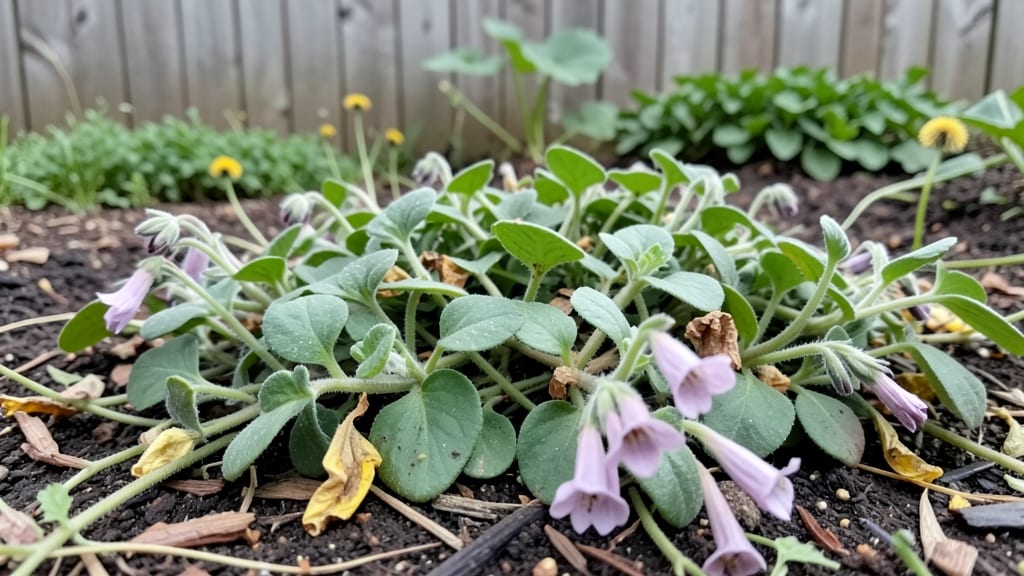
That small purple flower lawn weed creeping into your grass isn’t just unsightly—it’s probably henbit or chickweed, two of the most stubborn weeds that sap nutrients from your lawn.
I’ve spent years battling these purple invaders, and I’ve learned the fastest way to stop them before they take over your yard. The good news? You don’t need harsh chemicals to win this fight—just the right timing and technique.
These weeds thrive in cool weather and spread like crazy in early spring and fall, smothering your lawn if left unchecked. I’ve seen them turn a lush green yard into a patchwork of purple within weeks, so acting fast is key.
The secret isn’t brute force—it’s understanding their life cycle and hitting them at the right moment. A simple hand-pulling session on a warm, dry day can remove 90% of them before they even set seed.
You’ll end up with a lawn that stays thick and green, not dotted with those annoying little flowers. The best part? Once you master the removal process, you’ll spot them early and nip them in the bud—literally.
No more purple surprises when you mow, and your grass will finally get the nutrients it deserves. Let’s get your lawn back to looking like the pride of your neighborhood.
This works for any small purple-flowered weed, whether it’s henbit, chickweed, or even wild violets. The same principles apply—just adjust the timing based on your climate. Spring and fall are the critical windows, but don’t wait until the weeds are knee-high.
A little effort now saves hours of frustration later. Ready to reclaim your lawn?
How Purple Blooms Invade Grass
Those tiny purple flowers popping up in your lawn aren’t just a cosmetic nuisance—they’re a sign of underlying conditions that create the perfect environment for weeds to thrive. Understanding the root causes helps you tackle the problem at its source, not just the symptoms.
Here’s why these unwanted purple bloomers (like henbit, chickweed, or purple deadnettle) take over your grass:
Weeds flourish where grass struggles. If your lawn’s soil lacks nutrients, has compacted layers, or sits in poor drainage, your grass won’t grow thick enough to outcompete weeds. Here’s how it happens:
- Nutrient Deficiencies: Grass needs nitrogen, phosphorus, and potassium to grow densely. If your soil is depleted (common after heavy foot traffic or no fertilization), weeds like henbit fill the gaps. A simple soil test reveals deficiencies—aim for pH 6.0–7.0 and adjust with lime or sulfur as needed.
- Compaction: Heavy machinery, pets, or even frequent mowing can compress soil, reducing oxygen and water access. Compacted soil = stunted grass roots = more space for weeds. Aerate in spring or fall to loosen the soil and encourage deep root growth.
- Drainage Issues: Standing water after rain or irrigation creates soggy spots where weeds like purple deadnettle thrive. Test drainage by digging a small hole—if water pools after 6 hours, you’ve got poor drainage. Fix it with sand topdressing or a French drain.
Pro Tip: 💡 Overseed bare patches in early fall with a high-quality grass seed blend (like tall fescue or Kentucky bluegrass) to crowd out weeds before they sprout.
Many purple-flowering weeds are cool-season annuals, meaning they germinate in fall or early spring when soil temps drop below 65°F. If your lawn is thin during these windows, weeds seize the opportunity:
- Fall Germination: Weeds like henbit and chickweed sprout in September–November when nights cool down. If you’ve been neglecting lawn care (or just didn’t notice), these weeds establish roots before your grass wakes up in spring.
- Spring Regrowth Lag: If your grass is slow to green up in March–April, weeds fill the gaps. Pre-emergent herbicides (applied in late summer) can block weed seeds from sprouting, but timing is critical—miss it, and you’re stuck pulling blooms later.
- Dormant Grass Gaps: If your lawn goes dormant in summer heat, weeds like purple deadnettle move in. Water deeply but infrequently (1–1.5 inches per week) to keep grass active and competitive.
Action Step: ⏰ Set reminders to pre-treat with herbicide in late summer (for fall weeds) and overseed in early fall to thicken grass before winter.
Weeds don’t need much to survive—just sunlight, moisture, and bare soil. Here’s how your lawn’s conditions might be feeding them:
| Factor | How It Helps Weeds | How to Fix It |
|---|---|---|
| ✅ Partial Sun | Shady spots (under trees or fences) let weeds like chickweed thrive where grass struggles. They tolerate low light better than turfgrass. | Plant shade-tolerant grass (like fine fescue) or add mulch to block weed seeds. |
| 💧 Overwatering | Frequent light watering keeps soil moist at the surface—perfect for weed seeds to germinate. Grass needs deep watering to develop deep roots. | Water deeply 2–3 times per week (early morning) and let soil dry slightly between sessions. |
| 🪓 Thin or Patchy Lawn | Gaps from foot traffic, pet urine, or disease create open spaces where weeds drop seeds and take hold. | Repair bare spots with grass seed and compost—don’t just topdress with soil, which smothers grass. |
Watch Out For: 🚨 Pet urine can burn grass, creating dead zones where weeds love to grow. Train pets to use specific areas or flush spots with water.
By addressing these three core issues—soil health, seasonal timing, and light/moisture balance—you’ll starve out purple-flowered weeds before they even bloom. The key? Proactive care beats reactive pulling every time.
Eliminate Purple Flower Weeds Naturally
Now that you understand why those tiny purple blooms keep popping up in your lawn, it’s time to tackle them head-on. The good news? You don’t need harsh chemicals to reclaim your grass—just targeted, eco-friendly strategies.
Below, we’ll break down the best fixes based on the root cause of your problem, plus prevention tips to keep your lawn weed-free long-term.
Weeds thrive where grass struggles. If your lawn is sparse or shaded, purple flower weeds (like henbit or chickweed) will fill the gaps. Here’s how to restore balance:
🔥 Step 1: Overseed Bare Spots
Fill thin areas with fresh grass seed to outcompete weeds naturally.
- When to do it: Early fall or spring (when temps are 60–75°F).
- How to do it: Rent a core aerator to loosen soil, spread a high-quality grass seed mix, and top with a thin layer of compost.
- Pro tip: 💡 Use a pre-emergent herbicide only after seeding to block weeds—never before or during germination.
🍳 Step 2: Improve Soil Health
Weak soil = weak grass. Boost nutrients with:
- Compost or organic fertilizer (like 10-10-10) to strengthen roots.
- Topdressing with sand (if soil is too clay-heavy) for better drainage.
- Mulch grass clippings to return nutrients naturally.
👨🍳 Step 3: Adjust Mowing Habits Taller grass shades out weeds.
Follow the 1/3 rule: Never cut more than one-third of the blade at once. - Mow high: Set your lawnmower to 3–4 inches for most grasses. - Leave clippings (they decompose into free fertilizer!). - Sharpen mower blades to avoid tearing grass, which invites disease.
If your lawn is dry or sun-scorched, purple weeds like phlox or violet may take over. Revive your grass with these fixes:
🥘 Step 1: Deep Watering
Weeds need moisture too—starve them by watering deeply but infrequently.
- How: Water 1–1.5 inches per week (including rain), early in the morning.
- Check depth: Use a screwdriver—soil should stay moist 4–6 inches down.
🔪 Step 2: Mulch or Shade Cloth
For sun-exposed areas, reduce heat stress with:
- Straw mulch (1–2 inches thick) to retain moisture.
- Shade cloth (30–50% coverage) if your lawn gets >6 hours of direct sun.
- Drought-resistant grass (like Buffalo grass or Zoysia) if heat is chronic.
⏰ Step 3: Spot-Treat Weeds
For stubborn purple blooms, use vinegar-based herbicides (20–30% acetic acid) or boiling water in small patches.
- How to apply:
- Spray directly on weeds (avoid grass).
- Reapply every 3–5 days until dead.
- Caution: 🌡️ Test a small area first—some grasses may brown.
Soggy lawns invite weeds like creeping Charlie or speedwell. Fix drainage issues with these methods:
💡 Step 1: Aerate and Rake
Compacted soil traps water. Break it up with:
- Core aeration (rent a machine or hire a pro).
- Manual raking (for small areas) to loosen topsoil.
- Sand topdressing to improve drainage in clay-heavy lawns.
🎯 Step 2: Improve Grading
Water should flow away from your house, not pool. Check your lawn’s slope:
- Low spots? Add sand or compost to level them.
- Gutters downspouts? Redirect them 10+ feet away from the lawn.
- French drains (for severe cases) to divert groundwater.
✨ Step 3: Choose the Right Grass
Some grasses handle wet conditions better. Switch to:
- Fine fescue (tolerates moisture well).
- Kentucky bluegrass (if your climate is humid).
- Avoid Bermuda or Zoysia—they need full sun and dryness.
Once your lawn is healthy, maintain it with these low-effort habits:
| Problem | Prevention Fix | Frequency |
|---|---|---|
| Weed seeds in soil | Apply corn gluten meal (natural pre-emergent) | Early spring/fall |
| Compacted soil | Lightly aerate once a year | Late summer/early fall |
| Thin grass patches | Overseed every 2–3 years | Fall |
| Pests/disease | Treat with neem oil or fungicide | As needed |
| Mower wear & tear | Sharpen blades monthly | Ongoing |
Final Pro Tip: 🌿 Pull weeds when soil is moist (they uproot easier!) and bag clippings if weeds are flowering (spreads seeds). A little consistency goes a long way—your lawn will thank you!
Frequently asked questions
What are the most common small purple-flowered weeds in lawns?
The most likely culprits are henbit, chickweed, and wild violets. Henbit has jagged leaves and grows in dense mats, while chickweed has smooth, oval leaves. Wild violets have heart-shaped leaves and spread aggressively. All three thrive in cool weather and can smother grass if left unchecked.
Can I use vinegar to kill these purple-flowered weeds?
Yes! A 20-30% acetic acid vinegar solution works well for spot treatment. Mix equal parts white vinegar and water, apply directly to the weeds on a sunny day, and reapply every 3-5 days until they die. Be cautious—vinegar can also harm grass, so test a small area first and avoid spraying on windy days.
Why do these weeds keep coming back after I pull them?
Weeds like henbit and chickweed spread through seeds and runners. If you don’t remove the entire root system or let seeds mature, they’ll regrow. Pull weeds when soil is moist (they uproot easier), and bag clippings if the weeds are flowering to prevent seed spread. For long-term control, improve lawn density with overseeding.
Is there a natural pre-emergent herbicide for purple-flowered weeds?
Yes! Corn gluten meal is a natural, organic pre-emergent that prevents weed seeds from germinating. Apply it in early spring or fall when soil temperatures are ideal for weed growth. It breaks down in the soil, feeding your lawn while blocking unwanted sprouts—just don’t use it after seeding new grass.
Will mowing taller help prevent these weeds?
Mowing grass at 3-4 inches shades out weeds by blocking sunlight. Taller grass also develops deeper roots, making it more competitive. Just avoid cutting more than one-third of the blade at once—this keeps grass healthy and discourages weed growth. Leave clippings as "free fertilizer" to return nutrients to the soil.