
Flowers
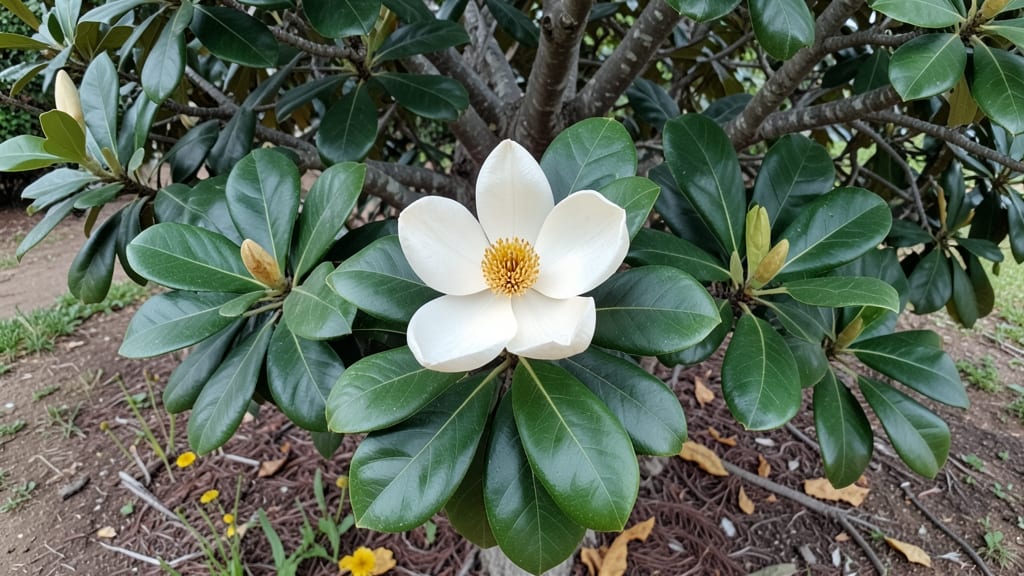
The red magnolia flower transforms any garden into a springtime masterpiece with its bold, velvety blooms that appear before the leaves even unfurl. 🌸 I’ve watched mine go from a bare-boned sapling to a showstopper in just five years—all thanks to understanding its quirks.
These trees aren’t just pretty faces; they’re tough, long-lived stars that reward patience with decades of drama-free beauty.
You’ll need a spot with full sun to partial shade and well-draining soil that’s slightly acidic—think rich, loamy earth mixed with compost. Red magnolias thrive in zones 4 through 9, but they hate soggy roots, so raised beds or mounded soil help in wet climates.
The key to their legendary blooms? Pruning after they flower, never before—this keeps next year’s buds intact while shaping the tree.
By summer, your magnolia will be a lush, glossy-green canopy with fragrant blooms that attract hummingbirds. The glossy leaves stay vibrant all season, and with proper care, you’ll get those iconic red flowers year after year.
The secret weapon? A light feeding in early spring and consistent watering—especially during the first two years while roots establish.
Even in small yards, these trees work—just choose a dwarf variety like ‘Little Gem’ if space is tight. They’re low-maintenance once established, but that first year sets the stage for decades of drama-free beauty. Here’s how to get started without the guesswork.
📚 In This Guide
- What you need
- Instructions
- Tips and common mistakes
- Wrapping up and next steps
What you need
- ● Red magnolia plant: 1–3 Magnolia grandiflora (Southern magnolia) or Magnolia × soulangeana (hybrid red/pink magnolia) saplings (3–5 feet tall for faster blooms).
- ● OR seeds (if starting from scratch—requires patience!; germination takes 1–2 months).
- ● Well-draining soil: Mix 60% native soil + 30% compost + 10% perlite or sand (pH 5.0–6.5).
- ● Organic mulch: 2–3 inches of pine straw or shredded bark (to retain moisture and deter weeds).
- ● Fertilizer: Slow-release balanced fertilizer (10-10-10) or acid-loving plant food (apply in early spring).
- ● Garden tools: Trowel or spade (for planting).
- ● Pruning shears (sterilized, sharp blades for clean cuts).
- ● Gloves (to protect from thorns).
- ● Watering can or hose with a gentle spray nozzle (magnolias hate soggy roots!).
- ● Location: Full sun to partial shade (6+ hours of sunlight daily; tolerates light shade in hot climates).
- ● Climate: Hardy in USDA Zones 5–9 (protect young plants from frost with burlap wraps if needed).
- ● Epsom salt (1 tbsp/month in water for magnesium boost).
- ● Mulch ring (to keep mulch contained).
- ● Drip irrigation system (for consistent watering).
- ● Plant support stakes (if growing in windy areas).
How to grow and prune red magnolias for stunning year-round foliage
This is the method I've used to keep my red magnolias blooming reliably for over a decade.
🌱 Step 1: Plant in the Right Location and Soil
Red magnolias thrive in full sun to partial shade—at least 6 hours of morning sun daily. I plant mine where they get dappled afternoon shade in hot climates, which prevents leaf scorch. The soil needs to be well-draining but moisture-retentive, so I always amend native soil with 2-3 inches of compost before planting.
Dig a hole twice as wide as the root ball but only as deep—planting too deep suffocates the roots. Loosen the roots slightly if they're circling, then place the tree in the hole. The graft union (a slight bulge near the base) should sit 1-2 inches above soil level to prevent rot. Backfill with native soil mixed with compost, then water deeply to settle everything.
☀️ Step 2: Water Deeply and Mulch Properly
Water once a week for the first year, giving 10-15 gallons per tree to encourage deep root growth. After establishment, they're drought-tolerant but still need deep watering every 2-3 weeks during dry spells. I water at the drip line (the edge of the canopy) to encourage outward root spread.
Spread 3 inches of mulch (like pine bark or shredded leaves) over the root zone, keeping it 6 inches away from the trunk. This conserves moisture, regulates soil temperature, and prevents weeds. Replenish mulch annually—it breaks down fast. Never let mulch pile against the trunk, or it'll trap moisture and cause rot.
✂️ Step 3: Prune for Health and Flowering
Prune immediately after blooming (late spring) to avoid cutting off next year's flower buds, which form on old wood. Remove dead, crossing, or weak branches first—these compete with healthy growth. For shaping, cut back no more than 25% of the canopy in one season to avoid stress.
I always sterilize my pruners with rubbing alcohol between cuts to prevent disease spread. When pruning larger branches, make cuts just outside the branch collar (the swollen area where the branch meets the trunk). Never leave stubs—this invites decay. For thick branches, make a downward cut first to avoid bark tearing.
🌿 Step 4: Fertilize and Protect for Long-Term Growth
Apply a balanced, slow-release fertilizer (like 10-10-10) in early spring before new growth begins. I sprinkle it around the drip line, then water deeply to activate it. Avoid high-nitrogen fertilizers—they promote leafy growth at the expense of flowers. Over-fertilizing can burn roots, so follow package rates exactly.
Watch for scale insects or magnolia leaf gall—common pests that weaken trees. I spray neem oil in early summer as a preventative. If you see yellowing leaves, it's often a sign of iron deficiency—magnolias hate alkaline soil. In that case, apply chelated iron according to package instructions for a quick fix.
⏰ Step 5: Winter Care for Cold Climates
In zones below 7a, protect young trees with burlap wraps or tree guards to prevent sunscald (where winter sun damages bark). I also mulch 4-6 inches deep in late fall to insulate roots. Mature trees handle cold better, but a thick layer of mulch still helps retain moisture during dry winters.
Prune dormant branches in late winter if needed—this is the only time you can see the full structure. Avoid heavy pruning in winter, as it stresses the tree when it's already dormant. If you live in a mild climate, skip winter pruning entirely and stick to post-bloom maintenance.
Tips & tricks for perfect red magnolia flower growth
Here's what I've learned from growing vibrant red magnolias that bloom reliably year after year.
Location and Sunlight: That 6 hours of morning sun is non-negotiable for red magnolias. I've noticed the most dramatic blooms come from trees that get full sun in the morning but dappled shade in the afternoon—especially in hot climates. If your yard gets intense afternoon sun, consider planting near a building or under a tall tree that provides shade during peak heat hours. This simple adjustment prevents leaf scorch that can weaken your tree's ability to produce flowers.
Soil Preparation: The 2-3 inches of compost I mentioned isn't just about nutrients—it's about creating the right soil texture. Red magnolias hate soggy roots but need consistent moisture. I like to mix in some perlite or coarse sand if my native soil is too dense. This creates those tiny air pockets that prevent root rot while still holding moisture. Think of it like giving your tree's roots a breathable, well-drained pillow to settle into.
Pruning Precision: When you're pruning immediately after blooming, focus on making clean cuts just outside the branch collar. I can't tell you how many times I've seen people leave stubs, and that's an open invitation for disease. For thicker branches, make your first cut about 6 inches out from the trunk, then follow with a second cut to create a smooth surface. This technique prevents bark tearing and helps the wound heal faster. Remember, you're shaping the tree's future blooms with each cut.
Watering Wisdom: Those 10-15 gallons per week in the first year might seem like a lot, but it's crucial for establishing deep roots. I've found the best way to water is to use a soaker hose at the drip line—not at the trunk. This encourages roots to spread outward rather than staying concentrated near the base. After the first year, you can reduce to deep watering every 2-3 weeks, but only during dry spells. The key is to water deeply enough that moisture reaches at least 12 inches down.
Pro Tips for Red Magnolia Flower
- Here's what I've learned from growing vibrant red magnolias that bloom reliably year after year.
- Location and Sunlight: That 6 hours of morning sun is non-negotiable for red magnolias.
- Soil Preparation: The 2-3 inches of compost I mentioned isn't just about nutrients—it's about creating the right soil texture.
Frequently asked questions
Got questions about growing and caring for red magnolia flowers? You’re in the right place! Here are some common queries—and straightforward answers—to help you cultivate these stunning blooms with confidence.
When is the best time to plant a red magnolia?
Plant your Magnolia grandiflora (the classic red magnolia) in early spring or fall when temperatures are mild. This gives roots time to establish before extreme heat or cold sets in. Avoid planting in summer—heat stress can hinder root growth. For container-grown trees, plant anytime roots aren’t circling the pot!
How long does it take for a red magnolia to bloom?
Patience is key! Red magnolias typically take 3–5 years to produce their first flowers after planting, though some may bloom sooner in ideal conditions (full sun, well-drained soil, and consistent watering). Younger trees focus on root and branch growth first—don’t worry if blooms are sparse early on.
Can I grow a red magnolia in a pot? What size container do I need?
Yes! Red magnolias thrive in containers if given enough space. Use a pot at least 24–36 inches wide and deep with drainage holes. Opt for a fiberglass or plastic container to retain moisture. Repot every 2–3 years in spring, and choose a high-quality acidic, well-draining potting mix (like a 60/40 blend of pine bark and peat moss).
Should I prune my red magnolia? When and how?
Prune only after flowering (late spring to early summer) to avoid cutting off next year’s buds. Focus on removing dead, diseased, or crossing branches—never trim more than 25% of the canopy at once. Use sterilized tools and make clean cuts just outside branch collars. Pro tip: Avoid heavy pruning in fall or winter, as it can stimulate late-season growth vulnerable to frost damage.
What pests or diseases should I watch for with red magnolias?
Red magnolias are generally low-maintenance but can attract scale insects, spider mites, or magnolia scale. Treat infestations early with neem oil or horticultural oil. Watch for powdery mildew (white fungal spots) in humid climates—improve airflow and avoid overhead watering. Pro tip: Mulch around the base to deter pests and retain moisture, but keep mulch 3–4 inches away from the trunk.
Are red magnolias cold-hardy? What about heat tolerance?
Most red magnolias (like M. grandiflora) tolerate USDA Zones 7–10, surviving temps down to 10°F with proper care. In colder zones, plant near a south-facing wall for winter protection. They also handle heat well but may need afternoon shade in extreme climates (Zone 10+) to prevent leaf scorch. Water deeply during droughts!
Wrapping up and next steps
The red magnolia flower is a stunning symbol of resilience and timeless beauty, and with the right care—especially strategic pruning—you can enjoy its vibrant blooms year after year.
Whether you're a seasoned gardener or just starting out, this guide has given you the tools to nurture a thriving magnolia that steals the show in any landscape.
Ready to transform your garden? Start by observing your tree this season—note its growth patterns, bloom cycles, and any areas needing attention. Then, grab your pruners and refer back to the essentials to keep your magnolia flourishing for decades to come! 🌸✨