
Pruning
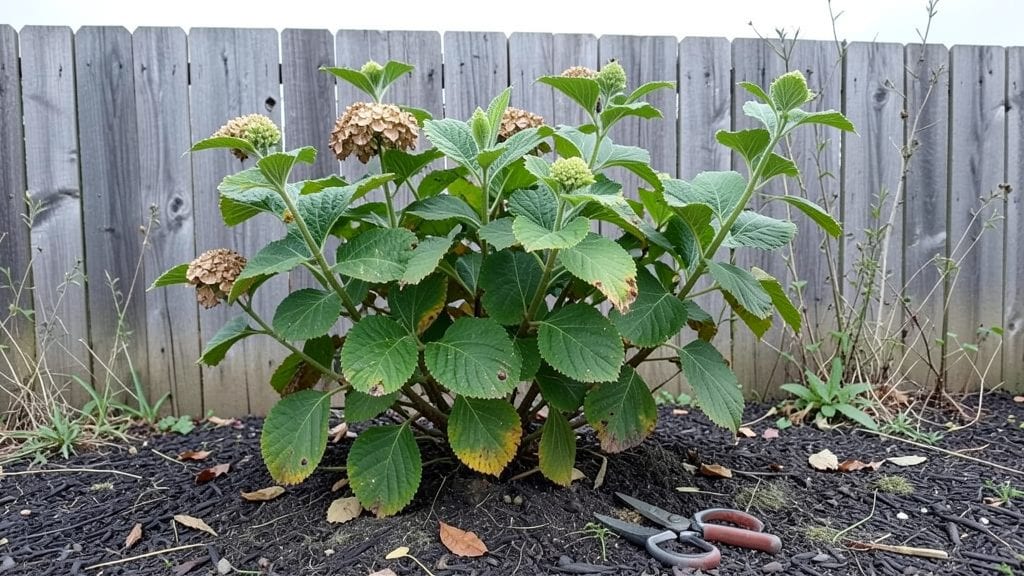
Pruning hydrangea flowers isn't just about shaping your shrubs—it's the secret to those showstopping summer blooms that make neighbors stop and stare. ✨ After years of trial and error (and a few too many sad, bare branches), I finally cracked the code for when and how to trim each type.
The difference between a hydrangea that looks like a bush and one that looks like a lush, floral masterpiece comes down to timing, technique, and knowing your plant's personality.
You'll need just a few tools: sharp pruners, gloves, and maybe a small ladder if your hydrangeas are tall. The real magic happens in late winter or early spring for most varieties, but oakleaf hydrangeas prefer a summer trim.
I learned the hard way that cutting at the wrong time means no flowers—or worse, a plant that never recovers. The key is working with your hydrangea's natural growth cycle, not against it.
By the time summer rolls around, you'll have hydrangeas that burst with color and fullness, their blooms heavy enough to bend the stems. The air will smell like a fragrant cloud, and your garden will be the talk of the neighborhood.
Plus, your plants will stay healthier, grow stronger, and live longer—because proper pruning isn't just about looks, it's about giving them a fresh start every year.
Whether you're dealing with mophead, panicle, or oakleaf varieties, this method works for all of them. And don't worry—even if you've over-pruned before, I'll show you how to fix it. Let's get those blooms thriving!
📚 In This Guide
- What you need
- Instructions
- Tips and common mistakes
- Wrapping up and next steps
What you need
- ● Pruning shears or bypass pruners: Sharp, clean, and disinfected (70% isopropyl alcohol works great). Choose a pair with bypass blades (4–6 inches long) for precision cuts.
- ● Loppers: For thicker stems (½–1 inch in diameter). Opt for ratcheting or bypass loppers to avoid crushing.
- ● Garden gloves: Heavy-duty, nitrile-coated gloves (size medium/large) to protect against thorns and sap.
- ● Disinfectant solution: Mix 1 part bleach to 9 parts water (or use 70% rubbing alcohol) to sterilize tools between cuts and prevent disease.
- ● Rake or broom: A stiff-bristled garden rake to clear debris after pruning.
- ● Trash bags: Heavy-duty, 13-gallon size for removing pruned branches and leaves.
- ○ Notebook & pen: (Optional but helpful!) To jot down notes on cuts, growth patterns, or reblooming tips.
- ● Hand pruners: For delicate trimming of smaller stems or flowers.
- ● Knee pads: If your hydrangeas are tall or ground-level pruning is needed.
- ● Plant food: Balanced fertilizer (10-10-10 or 20-20-20) to nourish hydrangeas post-pruning.
- ● Mulch: Shredded bark or pine straw to retain moisture and protect roots.
- ● Pruning saw: Only if dealing with very thick, woody stems (rare for most hydrangeas).
Step-by-Step instructions for pruning hydrangeas
Here's how I prune hydrangeas every year to guarantee bold, long-lasting blooms.
✂️ Step 1: Identify Your Hydrangea Type First
This is the moment that matters: different hydrangeas bloom on different wood. Bigleaf hydrangeas (Hydrangea macrophylla) produce flowers on last year's growth, while panicle and oakleaf types bloom on new wood. Cutting back the wrong stems means no flowers that summer. I always check for flower buds in late winter—if they're plump and green, they're last year's growth and need protection.
For bigleaf varieties, I mark stems with faded flower heads (they're the ones to keep). For panicle types, I look for fresh, green growth at the base—those are the stems that will bloom this year. If you're unsure, take a photo before you start. I've ruined a few blooms by pruning too aggressively when I was still learning.
✂️ Step 2: Time Your Pruning Precisely
Prune bigleaf hydrangeas right after they finish blooming in late summer or early fall. This gives them time to develop next year's flower buds before winter. For panicle types, I wait until late winter or early spring before new growth starts. Never prune when buds are just forming—you'll sacrifice next year's flowers. I schedule this task for a crisp morning in March, when the air is cool and the plants are still dormant.
If you must prune in summer, do it immediately after flowering. The key is to finish at least 6-8 weeks before your first frost. This timing ensures new growth has time to harden off before winter. I always check my local frost dates and mark the deadline on my calendar—missing it means winter damage and fewer blooms next year.
✂️ Step 3: Use Clean Cuts to Shape and Renew
Start by removing any dead, diseased, or crossing branches first. These compete with healthy growth and reduce airflow. I make my cuts just above a leaf node or outward-facing bud, using sharp pruners. For bigleaf hydrangeas, I trim back stems to 2-3 inches above the first set of strong buds—this encourages bushier growth. Never cut into old wood, or you'll lose next year's blooms.
Shape the plant by opening up the center to improve airflow. I step back frequently to visualize the plant's form. For panicle types, I cut back stems to 4-6 inches above the ground to encourage strong new growth. The goal is to create an open, vase-like shape. I always disinfect my pruners with rubbing alcohol between cuts to prevent spreading disease.
☀️ Step 4: Feed and Water After Pruning
After pruning, I apply a balanced, slow-release fertilizer to replenish nutrients lost during cutting. I focus on the root zone and water thoroughly to help the plant recover. Bigleaf hydrangeas especially benefit from a slightly acidic soil mix—if your blooms are turning green instead of blue, your soil might be too alkaline. I test my soil every few years and adjust with sulfur or peat moss if needed.
Water deeply for 10-15 minutes after fertilizing to help nutrients reach the roots. Mulch around the base with 2-3 inches of organic mulch to retain moisture and regulate soil temperature. I avoid piling mulch against the stems—this can cause rot. The first few weeks after pruning are critical for recovery, so I monitor soil moisture closely, especially during dry spells.
⏰ Step 5: Monitor for New Growth
Within 2-3 weeks, you should see fresh green growth emerging from the pruned stems. This is your signal that the plant is recovering well. For bigleaf hydrangeas, I watch for new flower buds forming at the tips of the current year's growth. If you don't see new shoots within 4 weeks, the plant may need more fertilizer or protection from stress factors like extreme heat or drought.
Throughout the growing season, I keep an eye out for pests like aphids or spider mites, which love tender new growth. A strong spray of water usually dislodges them, but I have a mild insecticidal soap on hand for stubborn infestations. The goal is to keep the plant healthy and stress-free so it can put all its energy into producing those showstopping blooms.
Tips & tricks for perfect hydrangea pruning
A few simple tricks can transform your hydrangeas from struggling shrubs to showstopping garden stars. Here's what I've learned after years of trial and error.
Visual Cues for Step 1: When identifying your hydrangea type in Step 1, look for the faded flower heads on bigleaf varieties—they're your "keep" stems. For panicle types, fresh green growth at the base is your signal to prune. I keep a small notebook where I sketch my hydrangeas with arrows pointing to which stems to keep or cut. This visual reference has saved me from making costly mistakes during my first few attempts.
Timing Secret for Step 2: The 6-8 week window before frost is non-negotiable for bigleaf hydrangeas. I mark my calendar with the first frost date, then count backward to determine my pruning deadline. If you're in a region with unpredictable weather, err on the side of caution and prune earlier. For panicle types, I wait until late winter when the plant is still dormant—this gives you a clear view of where to make your cuts without disturbing new growth.
Cutting Technique for Step 3: Always use sharp, clean pruners to make your cuts in Step 3. Dull blades crush stems instead of making clean cuts, which can damage the plant. I angle my cuts just above a leaf node or outward-facing bud at a 45-degree angle—this prevents water from pooling on the cut and causing rot. For bigleaf hydrangeas, I never cut into old wood; the 2-3 inches above the first set of strong buds is my target. This precise cutting technique has resulted in bushier plants with more abundant blooms each season.
Recovery Strategy for Step 4: After pruning, the 10-15 minute deep watering is crucial for recovery. I use a timer to ensure consistent watering—this helps nutrients reach the roots properly. The 2-3 inches of organic mulch acts like a blanket for your plant's roots, keeping them cool and moist. I always avoid piling mulch against the stems, as this can trap moisture and lead to rot. This aftercare routine has dramatically improved my hydrangeas' resilience during the critical recovery period.
Pro Tips for Prune Hydrangea Flowers
- A few simple tricks can transform your hydrangeas from struggling shrubs to showstopping garden stars.
- Visual Cues for Step 1: When identifying your hydrangea type in Step 1, look for the faded flower heads on bigleaf varieties—they're your "keep" stems.
- Timing Secret for Step 2: The 6-8 week window before frost is non-negotiable for bigleaf hydrangeas.
Frequently asked questions
Got questions about pruning hydrangeas? You’re not alone! Here are answers to the most common concerns—so you can trim with confidence and keep those blooms coming back bigger and better.
When is the best time to prune hydrangeas?
The timing depends on your hydrangea type. For bigleaf and oakleaf varieties, prune in late winter or early spring (before new growth starts). Panicle and smooth hydrangeas can be pruned in late winter or early spring too, but you can also trim them after flowering to encourage more blooms next year. Avoid pruning in fall—it can stimulate tender new growth that won’t survive winter.
How much should I cut back my hydrangeas?
It varies by type! For bigleaf hydrangeas, cut back 1/3 of the oldest stems to the ground each year. Panicle hydrangeas can be hard pruned (up to 1/2 of the plant) in early spring. Smooth hydrangeas should only have dead or weak stems removed—never prune healthy stems. Always leave some foliage to protect the plant.
What if I prune at the wrong time?
Don’t panic! If you prune bigleaf hydrangeas in summer, you’ll likely lose that year’s flowers, but the plant will recover. For panicle or smooth types, late pruning may delay blooming but won’t harm the plant. Focus on future pruning—correct timing next year will bring back lush growth. And remember: No pruning is better than over-pruning!
Will pruning make my hydrangeas bloom more?
Pruning removes crowded, weak stems and encourages stronger, more abundant blooms the following year. For bigleaf hydrangeas, selective pruning rejuvenates the plant. Panicle hydrangeas often rebloom on new wood, so pruning stimulates more flowers. Just avoid cutting back last year’s flower stems on bigleaf types—those are where next year’s blooms form!
What if my hydrangeas don’t bloom after pruning?
Several factors could be at play. Check if you pruned too late (for bigleaf types) or too aggressively (cutting back all stems). Ensure your plant gets full sun to partial shade and well-draining soil. Lack of water, nutrients, or proper winter protection can also stunt blooms. If needed, fertilize in early spring with a balanced, acid-loving plant food.
Wrapping up and next steps
Pruning hydrangeas might seem intimidating, but with the right timing, tools, and techniques, you’re well on your way to show-stopping summer blooms! 🌸 Remember, whether you’re dealing with mopheads, lacecaps, or panicle varieties, the key is patience and precision—trim at the right time, and your hydrangeas will reward you with vibrant, long-lasting flowers.
Ready to transform your garden? Grab your pruners, mark your calendar, and give your hydrangeas the care they deserve. Next up: Watch your garden flourish with seasonal care tips to keep your hydrangeas thriving year-round!