
Companion Plants
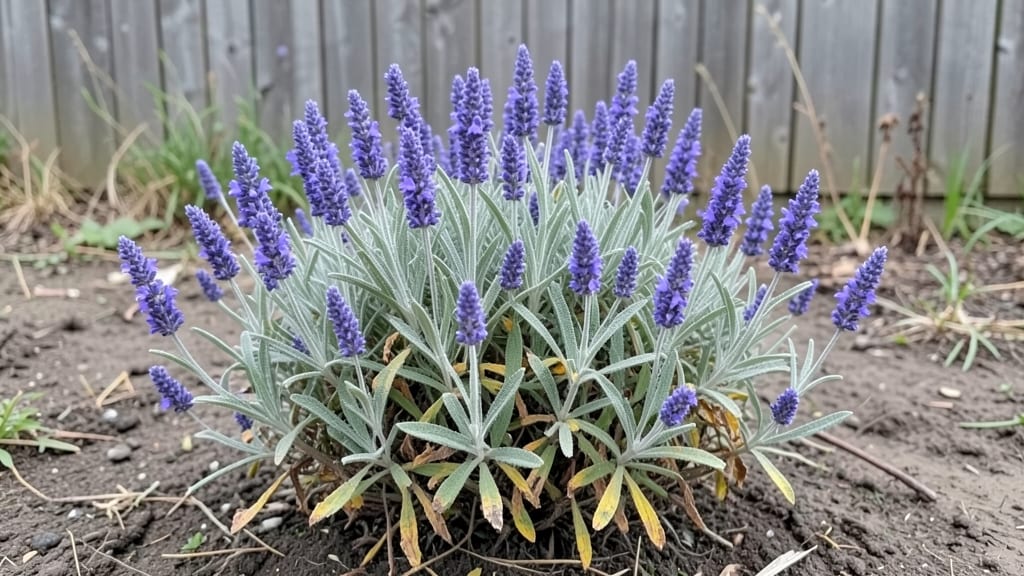
Plants with flowers are called angiosperms, a botanical group that produces seeds enclosed in a fruit or ovary. They dominate Earth's ecosystems and include trees, grasses, and most garden plants.
Angiosperms are the plant kingdom's superstars, making up roughly 90% of all plant species on Earth. 🌸 Their defining feature—flowers—isn't just for show; it's a sophisticated reproductive strategy that attracts pollinators like bees and butterflies. This evolutionary advantage allows them to thrive in diverse environments, from tropical rainforests to deserts.
Unlike their non-flowering cousins (gymnosperms), angiosperms package their seeds inside protective fruits, which also aids in dispersal through animals or wind.
What truly sets them apart is their double fertilization process, where two sperm cells fertilize different parts of the ovule, creating both the embryo and nutrient-rich endosperm.
This efficiency explains why they outcompete other plant groups in nearly every ecosystem. Think of your garden roses or backyard apple trees—those are classic angiosperms in action!
💡 In This Article
- What Makes Angiosperms Unique in Plant Biology
- Identifying Flowering Plants: Key Characteristics and Examples
What makes angiosperms unique in plant biology
The flower itself is angiosperms' evolutionary masterpiece—a specialized reproductive structure that combines scent, color, and nectar to lure pollinators. Unlike gymnosperms (like pine trees) that rely on wind to spread pollen, angiosperms have evolved vibrant petals, intricate stamens, and sometimes even mimicry to attract specific pollinators.
This targeted approach increases fertilization success rates by up to 80% compared to wind-pollinated plants.
At the cellular level, their double fertilization process is nothing short of brilliant.
While most plants use one sperm cell to fertilize the egg, angiosperms deploy two: one fertilizes the egg (creating the embryo), while the other merges with two nuclei in the ovule to form triploid endosperm—a nutrient-rich tissue that nourishes the developing seed.
This dual system ensures both embryo and food supply are created simultaneously, giving seedlings a head start in resource competition.
The fruit that develops from the fertilized ovary serves dual purposes: protecting the seed and aiding dispersal. Take the apple—its fleshy fruit entices animals to eat it, then the seeds pass through digestion unharmed to germinate elsewhere.
This strategy contrasts sharply with gymnosperms, whose seeds are exposed on cones, making them vulnerable to predators and less efficient at spreading.
Angiosperms also exhibit remarkable diversity in leaf structures, from broad magnolia leaves to needle-like grasses, adapting to every climate. Their vascular systems are highly efficient, allowing rapid growth and recovery from damage.
This adaptability explains why they dominate 90% of Earth's plant biomass, outcompeting even ancient plant groups like ferns and mosses.
Consider the orchid family—with over 28,000 species, they've perfected pollinator deception, mimicking female insects to ensure cross-pollination. Meanwhile, corn demonstrates their agricultural dominance: its flowers (tassels and silks) evolved to self-pollinate efficiently, making it a staple crop worldwide.
These innovations highlight why angiosperms aren't just survivors—they're nature's ultimate reproductive engineers. 🌿