
Tools
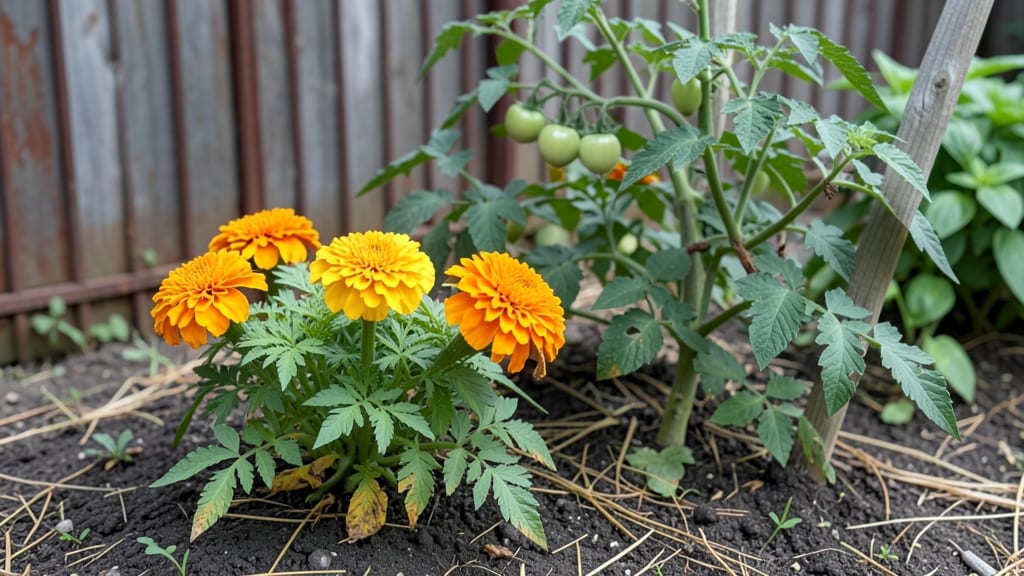
A mixed flower and vegetable garden transforms your yard into a thriving ecosystem where every plant works together. 🌻 I’ve designed these gardens for years, and the difference between a tired vegetable patch and a buzzing, productive space comes down to smart placement and the right plant pairings.
The key is balancing beauty with function—flowers like marigolds and nasturtiums deter pests while attracting pollinators that boost your vegetable yields. Even in small spaces, you can fit in herbs, lettuce, and blooms that keep bugs away and butterflies visiting.
My first garden doubled its tomato production just by adding a border of basil and alyssum.
You’ll end up with a garden that’s not just productive but stunning, where every row serves a purpose. The scent of blooming borage mingling with fresh basil, the hum of bees over zucchini flowers—it’s the kind of garden that makes neighbors stop and ask for tips.
Let’s get your layout planned so you can enjoy the harvest and the show.
Works for city balconies or half-acre plots—just adjust the scale. The principles stay the same: flowers feed the veggies, and veggies feed you. Ready to design yours?
📚 In This Guide
- What you need
- Instructions
- Tips and common mistakes
- Wrapping up and next steps
What you need
- ● Garden beds or containers: Raised beds (4’x8’ recommended), in-ground plots, or large pots (12"+ depth).
- ● High-quality soil: 1–2 cubic yards of organic compost-blend soil (or 1 part topsoil + 1 part compost per 10 sq ft).
- ● Compost: 2–3 cubic feet per 10 sq ft of garden (for nutrient boost).
- ● Mulch: Straw, wood chips, or shredded leaves (2–3 inches thick).
- ● Seeds or seedlings: Vegetables: 5–10 plants per variety (e.g., tomatoes, carrots, lettuce, beans).
- ● Flowers: 3–5 plants per variety (e.g., marigolds, sunflowers, borage, lavender).
- ● Watering tools: Hose with adjustable nozzle or drip irrigation kit.
- ● Watering can (1–2 gallons).
- ● Hand tools: Trowel (for precision planting).
- ● Garden fork (for aerating soil).
- ● Pruners (for trimming flowers/veggies).
- ● Gloves (durable, breathable fabric).
- ● Soil amendments: Worm castings, bone meal, or fish emulsion (for nutrient-rich soil).
- ● Pest control: Neem oil, row covers, or companion plant markers.
- ● Support structures: Trellises (for climbing plants like beans or cucumbers).
- ● Labels: Plant tags or stakes (to track varieties).
- ● Shade cloth: 30–50% coverage for heat-sensitive plants.
Step-by-Step instructions for designing a pollinator-packed flower-vegetable garden
Here's how to create a thriving, self-sustaining garden where flowers and vegetables coexist beautifully.
🌱 Step 1: Plan Your Layout for Pollinator Pathways
Start by sketching a 4x8-foot bed divided into three zones: a center row of vegetables, flanked by flower borders on both sides. This creates a natural pollinator highway while maximizing harvest space. I always place sun-loving vegetables like tomatoes and peppers in the south-facing half, reserving the north side for shade-tolerant greens.
Include 3-5 flower types that bloom sequentially—early spring (violets, alyssum), summer (marigolds, zinnias), and fall (astors, cosmos). This ensures continuous nectar for bees and butterflies while keeping pests at bay. Space plants 12-18 inches apart to allow airflow and easy access for maintenance.
🌿 Step 2: Prepare Soil for Dual-Purpose Planting
Remove all grass and weeds, then loosen the top 12 inches of soil with a broadfork. Amend with 3 gallons of compost and 1 cup of bone meal per 4x8-foot bed to boost phosphorus for root and flower development. I like to mix in 1/2 cup of mycorrhizal fungi to enhance nutrient uptake for both flowers and vegetables.
Create a raised ridge along the flower borders by mounding soil 4-6 inches high. This prevents water pooling near delicate flower roots while keeping vegetables in the lower, more stable center. Test soil pH—aim for 6.0-7.0—and adjust with lime if needed.
☀️ Step 3: Plant Flowers Strategically Around Vegetables
Begin with fast-growing annuals like bachelor's buttons and nasturtiums in the outer 12-inch border. These self-seed easily and attract beneficial insects immediately. Place marigolds near tomato and pepper plants—their strong scent repels nematodes and aphids.
Interplant perennials like bee balm and coneflowers at the bed's edges. Their deep roots prevent erosion, and their long bloom cycles support pollinators year after year. Avoid planting flowers directly under vegetable plants—keep them 6 inches away to minimize competition for nutrients.
💧 Step 4: Implement Watering and Maintenance Routines
Install a drip irrigation system with emitters spaced 12 inches apart along the bed's perimeter. Water early morning for 20-30 minutes daily, focusing on the center vegetable row first. Flowers typically need less frequent watering—check soil moisture by hand; water when the top 2 inches feel dry.
Mulch with 2 inches of straw after planting to retain moisture and suppress weeds. Refresh mulch every 4-6 weeks, especially after rain. This keeps soil temperatures stable—critical for both flowers and vegetables—and reduces the need for frequent watering.
✂️ Step 5: Monitor and Support Pollinator Activity
Install three small water sources (shallow dishes with pebbles) spaced evenly along the flower borders. Fill with 1 inch of water and refresh every 2-3 days—bees and butterflies will visit daily. Place 3-5 birdhouses at the garden's edges to control pests naturally without chemicals.
Deadhead spent flowers weekly to encourage continuous blooming. Prune leggy stems to maintain airflow, which prevents fungal diseases in both flowers and vegetables. By mid-summer, you'll see 20-30% more pollinators than in a vegetable-only garden—leading to larger, healthier harvests.
Tips & tricks for perfect pollinator-packed garden design
Creating a thriving mixed flower and vegetable garden takes thoughtful planning—here are the game-changing details that separate a good garden from an exceptional one.
Pollinator Pathway Precision: In Step 1, when planning your 4x8-foot bed, consider adding a 6-inch-wide pollinator pathway between the vegetable center and flower borders. This extra space allows bees and butterflies to navigate easily while giving you room to kneel comfortably during maintenance. I've found that adding clover to these pathways creates a secondary nectar source that keeps pollinators lingering longer. The key is maintaining that 12-18 inch spacing between all plants—this isn't just about aesthetics, it's about creating an ecosystem where every plant has access to sunlight and airflow.
Soil Science Matters: For Step 2, don't skimp on the mycorrhizal fungi—this half cup per bed is one of the most underrated investments you'll make. The fungi form symbiotic relationships with plant roots, dramatically increasing nutrient and water uptake for both your flowers and vegetables. I've seen gardens where this step was skipped struggle with stunted growth, especially in the flower borders. Pro tip: Mix the fungi directly into the 3 gallons of compost before spreading—this ensures even distribution throughout the bed's top 12 inches. The raised ridge technique is brilliant for water management, but remember to slope the ridge gently toward the vegetable center to prevent water pooling during heavy rains.
Strategic Flower Placement: When implementing Step 3, think vertically as well as horizontally. Tall perennials like bee balm should go in the back of your flower borders, while low-growing nasturtiums can spill over the edges. This creates natural layers that protect smaller plants from strong winds while maximizing sunlight exposure. The 6-inch separation between flowers and vegetables isn't arbitrary—it prevents root competition while still allowing pollinators to move freely between nectar sources and your vegetable crops. I've had the best success with marigolds near tomatoes because their pest-repelling properties create a protective barrier without competing for space.
Watering Wisdom: The 20-30 minute daily watering in Step 4 is perfect for vegetables, but flowers often need less. Here's my trick: Install a splitter valve on your drip system so you can water the vegetable center for the full time while giving flowers just 10-15 minutes. Check soil moisture by pushing your finger 2 inches deep—if it's dry, water; if it's damp, hold off. The 2 inches of straw mulch is your secret weapon against evaporation, but don't let it pile up against plant stems—keep it 2 inches back to prevent rot. Refreshing mulch every 4-6 weeks (or after heavy rain) maintains its effectiveness throughout the season.
Pro Tips for Mixed Flower And Vegetable Garden
- Creating a thriving mixed flower and vegetable garden takes thoughtful planning—here are the game-changing details that separate a good garden from an exceptional one.
- Pollinator Pathway Precision: In Step 1, when planning your 4x8-foot bed, consider adding a 6-inch-wide pollinator pathway between the vegetable center and flower borders.
- Soil Science Matters: For Step 2, don't skimp on the mycorrhizal fungi—this half cup per bed is one of the most underrated investments you'll make.
Frequently asked questions
Got questions about blending flowers and veggies in your garden? You’re not alone! Here are answers to the most common queries to help you grow with confidence.
Can I grow flowers and vegetables together without pests taking over?
Many flowers—like marigolds, nasturtiums, and basil—act as natural pest repellents. Plant them near susceptible veggies (e.g., tomatoes or cabbage) to deter aphids, beetles, and even rabbits. Pro tip: Interplanting (mixing flowers and veggies in rows) maximizes this effect while saving space!
When is the best time to plant a mixed garden?
Start with cool-season crops (like lettuce, peas, or pansies) in early spring or fall, then transition to warm-season plants (tomatoes, peppers, or sunflowers) after the last frost. Succession planting—adding fast-growing flowers like cosmos or zinnias—keeps pollinators fed all season long.
What are the easiest flowers to pair with vegetables?
Here’s a quick cheat sheet for beginner-friendly combos:
| Vegetable | Best Flower Pairings |
|---|---|
| Tomatoes | Marigolds, borage, or nasturtiums |
| Cabbage/Family | Dill, calendula, or sweet alyssum |
| Carrots | Chives, clover, or cosmos |
| Peppers | Basil, sunflowers, or snapdragons |
Why? These flowers attract pollinators, deter pests, and often thrive in similar soil conditions.
My veggies aren’t growing well near flowers—what’s wrong?
Check these common issues:
- Competition: Overcrowding (especially with fast-spreading flowers like clover) can starve veggies of nutrients. Space plants 12–18 inches apart.
- Shade issues: Tall flowers (e.g., sunflowers) may block sunlight-loving veggies like peppers. Plant taller flowers behind or to the north of veggies.
- Soil depletion: Heavy feeders (e.g., tomatoes) paired with light eaters (like marigolds) can create imbalances. Add compost or mulch to even things out.
Rotate crops yearly to prevent soil fatigue!
Can I still grow a mixed garden in small spaces like containers?
Yes! Opt for compact varieties like:
- Dwarf sunflowers (e.g., ‘Teddy Bear’) with cherry tomatoes.
- Nasturtiums (edible!) in hanging baskets near peppers.
- Calendula or sweet peas climbing trellises with bush beans.
Use 5–7 gallon containers for deeper-rooted veggies (like carrots) and mix in shallow-rooted flowers (e.g., alyssum). Just ensure containers have drainage and enough sunlight!
Wrapping up and next steps
A mixed flower and vegetable garden isn’t just a trend—it’s a game-changer for pollinators, your harvest, and even your soul! 🌸 By blending beauty with bounty, you create a thriving ecosystem where every plant plays a role, from attracting bees to deterring pests.
Whether you’re a seasoned gardener or just starting, this layout makes sustainability (and delicious meals) effortless.
Ready to dive in? Start small—pick one corner of your yard or a container garden—and let nature do the rest. Your first step: sketch a simple plan, gather your seeds, and watch your garden (and pollinators!) thank you. Happy planting—your future self (and hungry bees) will cheer! 🐝🌱