
Pruning
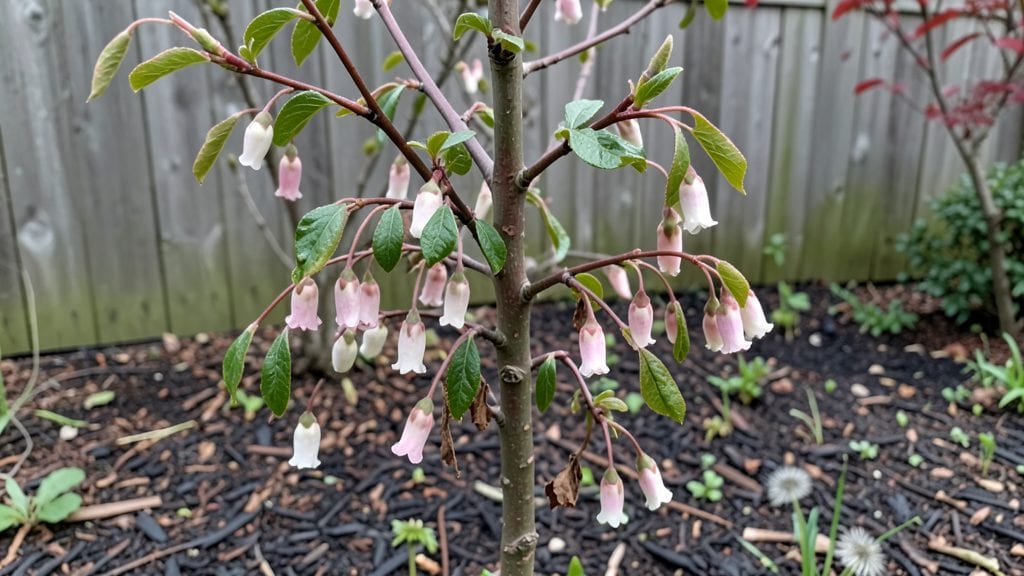
Your Mexican plum tree’s flower pruning in early spring can turn a sparse branch into a snowfall of pale pink blossoms—if you time it right. 🌸 I’ve watched my own Prunus mexicana go from a few sad blooms to a full, fragrant display just by making a few key cuts before buds swell.
The secret isn’t aggressive pruning—it’s strategic shaping to let sunlight and air reach the center.
This tree blooms in late winter to early spring, often before leaves emerge, and thrives when you mimic its natural habitat: full sun, well-draining soil, and minimal fuss.
Most gardeners overlook its pollination needs—while it can self-pollinate, planting a second tree nearby (or even a different Prunus variety) guarantees heavier fruit set later. The flowers themselves are delicate, with five petals and a subtle, almost almond-like fragrance that hummingbirds adore.
After pruning, you’ll notice new growth within 3-4 weeks, and by late spring, your tree will be covered in blooms—each one a potential plum if pollinators visit. The key is cutting back 1/3 of the oldest branches each year to keep energy flowing to younger wood.
Avoid heavy pruning after blooming, or you risk sacrificing next year’s flowers for shade.
For best results, feed with balanced fertilizer in early spring and mulch to retain moisture—this tree hates soggy roots. If your blooms stay sparse, check for aphids or fungal spots on new growth, which can stifle flowering.
With the right approach, your Mexican plum won’t just survive spring—it’ll steal the show.
📚 In This Guide
- What you need
- Instructions
- Tips and common mistakes
- Wrapping up and next steps
What you need
- ● Pruning shears: Bypass pruners (sharp, 6-8" blades) for clean cuts on small branches. Loppers (18-24" handles) for thicker branches (1-2" diameter).
- ● Hand saw: Pruning saw (8-10" curved blade) for stubborn, woody branches (2"+ diameter).
- ● Disinfectant: 70% isopropyl alcohol or bleach solution (1 part bleach to 9 parts water) to sterilize tools between cuts.
- ● Gloves: Heavy-duty gardening gloves (cut-resistant, like Mechanix or Fiskars) to protect hands from thorns and sap.
- ○ Pruning sealant: Optional—Tree wound pruning paste (e.g., Tanglefoot Tree Wound Pruning Seal) for large cuts (1"+ diameter).
- ● Bucket or bag: Heavy-duty trash bag (30+ gallon) or wheelbarrow for collecting pruned branches.
- ● Ladder: Sturdy extension ladder (24-32 ft) with non-slip feet for tall trees (if needed). Safety first!
- ● Weather check: Prune on a dry, overcast day (avoid rain or extreme heat). Ideal temps: 50–75°F.
- ● Safety gear: Safety glasses (to shield eyes from debris) and long sleeves/pants (thorn protection!).
- ● Tree knowledge: Identify dead, diseased, or crossing branches before starting. No guesswork!
- ● Cleanup supplies: Rags or paper towels (for wiping tools) and trash bags (for disposal).
- ● Marking tools: Colored spray paint (to mark branches for removal) or flags (for large-scale pruning).
- ● Tree food: Balanced fertilizer (e.g., 10-10-10) to nourish the tree post-pruning (apply 4–6 weeks later).
- ● Camera: Snap before/after photos to track progress and spot issues early.
Step-by-Step instructions for pruning Mexican plum trees for abundant spring flowers
Here's my foolproof method for rejuvenating your Mexican plum tree—timing and precision are everything.
✂️ Step 1: Time the Prune for Post-Bloom Renewal
Prune your Mexican plum tree immediately after flowering but before new growth hardens—typically late February to early March in most climates. The tree blooms on old wood, so wait until you see last petals fall and new leaf buds swell but haven’t yet unfurled. This timing ensures you don’t cut off next year’s flower buds while still removing winter-damaged limbs.
If you prune too early, you risk removing flower buds that haven’t yet formed. If you wait too long, the tree directs energy into leaf growth instead of next year’s blossoms. I mark my calendar with the first frost date and schedule pruning 6-8 weeks later—this gives the tree time to recover before summer heat.
🌿 Step 2: Remove Dead, Diseased, or Crossing Branches First
Start with sanitized pruners (wipe blades with rubbing alcohol between cuts) and remove any dead, broken, or diseased wood—these limbs steal energy from healthy growth. Look for blackened bark, hollow centers, or fungal growth (like powdery white residue). Cut back to the nearest healthy branch collar (the swollen area where a branch meets the trunk) at a 45-degree angle, just outside the collar.
Next, eliminate crossing or rubbing branches—these create wounds that invite pests and diseases. When two branches grow toward each other, the weaker one will eventually choke the stronger. I always remove the smaller of the two to maintain the tree’s natural shape. Never leave stubs; a clean cut heals faster and looks professional.
✂️ Step 3: Thin the Canopy for Light and Airflow
Mexican plum trees thrive with open, airy canopies—this prevents fungal diseases and encourages stronger flower production. Step back and visualize the tree’s natural vase shape: a broad base that narrows toward the top. Remove up to 25% of the canopy by selectively pruning thin, weak, or inward-growing branches, starting from the outer edges and working inward.
Focus on branches that are less than ⅓ the diameter of the trunk—these are younger and will regrow quickly. Avoid "lion’s tailing" (cutting back to a stub)—instead, prune to a side branch or bud facing outward. You’ll see new shoots emerge within 4-6 weeks from the pruned areas, signaling the tree is redirecting energy to vigorous growth.
☀️ Step 4: Shape for Optimal Sun Exposure
Mexican plum trees need full sun (6+ hours daily) to produce prolific, fragrant flowers. After thinning, open the center of the tree to let sunlight penetrate to the inner branches, which often grow leggy in shade. Aim for a balanced silhouette where sunlight reaches all sides—this encourages even flowering and reduces the risk of sunscald on the bark.
If your tree has overly dense lower branches, prune them back to half their length to improve airflow and sunlight access. The goal is to mimic the tree’s natural growth habit—a slightly open, multi-tiered structure. Avoid heavy pruning on one side; this creates an uneven shape that’s hard to correct later.
💧 Step 5: Post-Prune Care for Rapid Recovery
After pruning, water deeply to help the tree recover—1-2 gallons per inch of trunk diameter. Apply a 2-3 inch layer of mulch (like wood chips) around the base, keeping it 6 inches away from the trunk to prevent rot. This retains moisture and regulates soil temperature, which is critical for root and shoot growth after pruning.
Hold off on fertilizing until new leaves appear (usually 4-6 weeks later). At that point, use a balanced, slow-release fertilizer (like 10-10-10) to support flower bud formation for next spring. I also spray the cuts with pruning sealant (optional but helpful in humid climates) to prevent bacterial infections.
Tips & tricks for perfect Mexican plum tree flower pruning
Timing and technique are everything when it comes to pruning Mexican plum trees for those spectacular spring blooms.
The Critical Timing Window: In Step 1, I can't stress enough how important that post-bloom timing is. Look for when about 80% of the petals have fallen but before those new leaf buds have unfurled completely. I've seen trees where people pruned too early and lost potential flower buds, or too late and got mostly leafy growth instead of blossoms. Mark your calendar 6-8 weeks after your first frost date—this gives the tree that crucial recovery window before summer heat arrives.
Branch Collar Precision: When you're cutting back in Step 2, pay special attention to those branch collars—the swollen areas where branches meet the trunk. Cut just outside the collar at a 45-degree angle, never leaving stubs. I've made the mistake of leaving stubs before, and they create perfect entry points for diseases. Use a sharp pair of pruners and make clean cuts—this isn't just about looks, it's about the tree's health and how quickly it can heal those wounds.
Canopy Thinning Strategy: In Step 3, remember that 25% canopy reduction rule is your guide. Step back and visualize that natural vase shape—broad at the base, gradually narrowing toward the top. Focus on removing those thin branches less than ⅓ the diameter of the trunk. These younger branches will regrow quickly, giving you that lush, flowering appearance within 4-6 weeks. I always start from the outer edges and work inward to maintain that balanced silhouette.
Post-Prune Recovery Boost: After you've finished pruning, don't forget about that critical recovery period in Step 5. That deep watering—1-2 gallons per inch of trunk diameter—is essential for root growth. I've seen trees where people skipped this step and struggled with weak regrowth. The mulch layer helps regulate soil temperature, which is particularly important in our hot summers. And remember, wait those 4-6 weeks before fertilizing—you want the tree to focus on healing before putting energy into new growth.
Pro Tips for Mexican Plum Tree Flower
- Timing and technique are everything when it comes to pruning Mexican plum trees for those spectacular spring blooms.
- The Critical Timing Window: In Step 1, I can't stress enough how important that post-bloom timing is.
- Branch Collar Precision: When you're cutting back in Step 2, pay special attention to those branch collars—the swollen areas where branches meet the trunk.
Frequently asked questions
When is the best time to prune for maximum flowers?
The ideal time is late winter to early spring (just before buds swell). This encourages vigorous growth and abundant blooms. Avoid pruning in fall—it can stimulate late growth that’s vulnerable to frost. For heavy pruning, focus on February-March in most U.S. zones (7–10).
How much can I prune without harming the tree?
You can safely remove up to 25–30% of the tree’s canopy in one season. For young trees, prune selectively to shape branches. Mature trees may need thinning cuts (removing entire branches) to improve airflow. Never cut more than 1/3 of the tree’s height at once—this stresses the wood.
What if my Mexican plum tree isn’t flowering much?
Several factors could be at play:
- Over-fertilizing with nitrogen (promotes leaves over flowers). Use a low-nitrogen, high-phosphorus fertilizer in early spring.
- Poor sunlight—these trees need 6+ hours of sun daily.
- Old wood—Mexican plum trees bloom on new growth, so prune lightly to encourage fresh shoots.
- Disease or pests (like aphids or fungal spots) can weaken blooms. Inspect leaves and treat if needed.
Can I prune Mexican plum trees in summer?
Summer pruning is not recommended—it can stress the tree and reduce winter hardiness. If you must prune, do so after flowering (late spring) to remove dead or crossing branches. Always sterilize tools with rubbing alcohol to prevent disease spread.
Are there alternatives if my tree won’t bloom?
If your Mexican plum tree remains stubbornly flower-free, consider:
- Grafting a flowering variety onto the existing rootstock (consult a local nursery).
- Planting a companion tree like Prunus serotina (black cherry) for cross-pollination (though Mexican plums are self-fertile).
- Replacing the tree if it’s diseased or beyond revival—some cultivars (like ‘Mexican Red’) are more reliable bloomers.
What should I do if I see blackened or dying branches?
Blackened branches are often a sign of bacterial canker or frost damage.
- Cut back to healthy green wood (avoid cutting into blackened areas).
- Dispose of pruned branches immediately (don’t compost).
- Apply copper fungicide to wounds to prevent spread.
- Water deeply after pruning to reduce stress.
Wrapping up and next steps
Pruning your Mexican plum tree flower in spring isn’t just about shaping—it’s about unlocking a spectacular display of blooms and healthier growth.
With the right tools, timing, and technique, you’ll transform your tree into a fragrant, fruit-bearing masterpiece. 🌸 Now that you’re armed with knowledge, there’s only one step left: roll up your sleeves and get pruning!
💡 Pro Tip: Snap a photo of your tree before and after—you’ll love tracking its progress over the seasons!