
Flowers
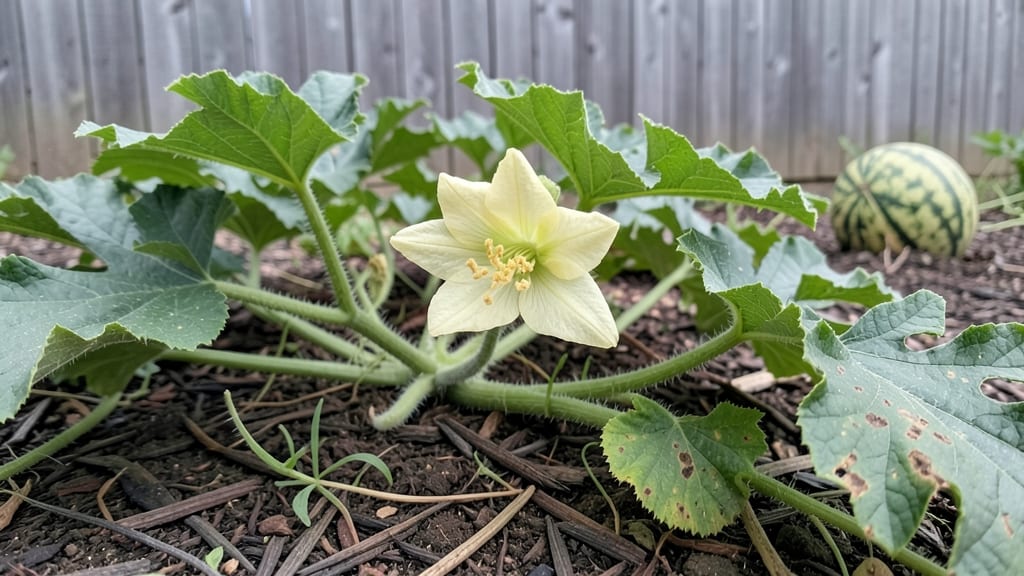
Male watermelon flowers are the unsung heroes of your vine’s success—tiny but mighty, they’re the first step toward juicy fruit. 🌸 I’ll never forget the year I ignored them, thinking only the showy female flowers mattered, only to watch my harvest fizzle.
Those delicate yellow blooms might look fragile, but they’re the busy little bees’ buffet that kickstarts pollination.
Here’s the thing—male flowers arrive first, usually in clusters at the vine’s leaf axils, while female flowers (with their tiny watermelon bumps) lag behind. The males have slender stems and no swelling at the base, while females show their secret: a tiny fruit bump where the flower sits.
If your vines are bursting with males but few females, you’re on the right track—just give the females time to catch up.
Encouraging more male flowers is simpler than you’d think: focus on consistent watering, balanced fertilizer (too much nitrogen = fewer flowers), and pruning to improve airflow. When bees aren’t enough, a soft paintbrush can transfer pollen from male to female flowers—it’s the gardener’s backup plan.
Within days, you’ll see those female flowers swelling into the watermelons you’ve been dreaming of.
This works for any watermelon variety, from seed to slice. The secret? Pay attention to the flowers early, and your harvest will thank you. Let’s get those vines producing like champions.
📚 In This Guide
- What you need
- Instructions
- Tips and common mistakes
- Wrapping up and next steps
What you need
- ● Watermelon seeds (specifically Citrullus lanatus varieties known for prolific male blooms, like 'Sugar Baby' or 'Crimson Sweet') – 5-10 seeds per plant (or 1-2 seeds if using hybrid varieties).
- ● Well-draining potting mix (or garden soil amended with 50% compost) – 10-15 gallons per plant.
- ● Containers or garden bed: For containers: 5-gallon pots or larger (minimum 12" diameter) with drainage holes.
- ● For garden beds: Full sun (6+ hours/day), loamy soil with a pH of 6.0–6.8.
- ● Slow-release fertilizer (10-10-10 or organic options like worm castings) – 1 cup per plant at planting.
- ● Watering can or hose with adjustable nozzle (for gentle, deep watering).
- ● Pruning shears (sterilized, sharp blades for trimming excess foliage or spent blooms).
- ○ Gloves (optional but recommended for handling prickly vines).
- ● Trellis or stakes (4-6 ft tall) to support vines and improve air circulation.
- ● Mulch (straw or black plastic) to retain moisture and suppress weeds.
- ● Bee-friendly companion plants (e.g., marigolds or basil) to attract pollinators.
- ● pH test kit to monitor soil acidity (especially in containers).
- ● Plant supports or cages (for smaller varieties like 'Mini Melons').
How to grow male watermelon flowers for pollination success
Here's how I encourage abundant male watermelon blooms—critical for fruit set and strong vines.
🌱 Step 1: Select a Pollinator-Friendly Variety
Choose a disease-resistant watermelon variety suited to your climate zone. Look for labels indicating high male flower production—these vines produce more blooms earlier in the season. I always opt for slicing types like 'Sugar Baby' or 'Crimson Sweet' because they reliably develop male flowers within 3-4 weeks of germination.
Male flowers appear first and are essential for pollination. You'll recognize them by their single, elongated stem and no swelling at the base—unlike female flowers that develop into fruit later. Plant seeds ½ inch deep in warm soil (75-85°F) for fastest germination.
☀️ Step 2: Provide Full Sun and Consistent Warmth
Watermelons thrive in full sun (6-8 hours daily) and warm soil temperatures. I use black plastic mulch to raise soil temps and deter weeds—this creates ideal conditions for male flowers to form. Place plants where they receive morning sun to prevent heat stress.
Male flowers develop best when daytime temps stay above 70°F. If your area has cool nights, consider using row covers during early growth. You'll notice male flowers opening earlier in the morning—this is their natural pollination window when bees are most active.
💧 Step 3: Water Deeply and Fertilize for Flower Production
Keep soil evenly moist but not soggy—watermelons need 1-1.5 inches of water weekly. I water at the base of the plant in the morning to prevent fungal diseases that can stress vines. Male flowers are sensitive to drought, so consistent moisture encourages their development.
Apply a balanced fertilizer (10-10-10) at planting and again when vines reach 12 inches tall. Too much nitrogen leads to leafy growth at the expense of flowers. You'll see male blooms appear 3-5 days after fertilization if conditions are right.
✂️ Step 4: Prune for Better Airflow and Flower Production
Remove any suckers (side shoots) growing below the first 6 inches of the main vine. This redirects energy to male flower production instead of unnecessary growth. I also trim any yellow or diseased leaves to keep the plant healthy and focused on blooming.
Good airflow prevents humidity buildup, which can cause powdery mildew—a common issue that weakens plants and reduces flower count. Prune in the early morning when plants are turgid and can recover quickly. You'll notice more male flowers appearing within 1-2 weeks of proper pruning.
🐝 Step 5: Encourage Pollinators for Fruit Set
Male flowers rely on bees and other pollinators to transfer pollen to female flowers. Plant companion flowers like marigolds or sunflowers nearby to attract bees. I also avoid using pesticides—even organic ones—during bloom time to protect pollinators.
If bees aren't visiting, hand-pollinate by gently brushing male flowers onto female flowers in the morning. You'll know female flowers are ready when they have small fruit swelling at the base. With proper pollination, you'll see fruit development within 7-10 days.
Tips & tricks for growing male watermelon flowers
Here's what I've learned from years of growing watermelons—these tricks help maximize those essential male blooms that kickstart your harvest.
Variety Matters: While slicing types like 'Sugar Baby' are reliable, some heirloom varieties like 'Moon and Stars' produce even more male flowers early in the season. Look for seeds labeled "high male flower production" or "early blooming"—these will give you that critical head start. I've found that planting two varieties can actually increase your total male flower count through cross-pollination effects.
Soil Temperature Secret: That 75-85°F soil temperature range in Step 1 is non-negotiable for germination, but here's the thing: male flowers develop best when soil stays consistently above 70°F even after germination. I use a soil thermometer to monitor temps—if your mornings dip below 65°F, consider using row covers until daytime warms up. The first male flowers will appear about 2 weeks after germination if conditions are perfect.
Watering Wisdom: The 1-1.5 inches weekly guideline is perfect, but timing matters more than you'd think. Water deeply in the morning so the soil has all day to dry slightly before nightfall. Wet foliage at night invites powdery mildew, which can stress plants and reduce flower production. I set a timer for my irrigation system to deliver that water right at sunrise—this consistency is what triggers those male blooms to appear within 3-5 days after fertilization.
Pruning Precision: When you're removing suckers below that 6-inch mark in Step 4, don't be shy—aggressive pruning actually stimulates more male flower production. I make a point to remove any suckers that appear within the first 12 inches of the main vine, not just the first 6. This might seem counterintuitive, but it forces the plant to focus its energy on producing flowers rather than unnecessary growth. You'll notice that extra effort pays off with more blooms appearing within 1-2 weeks.
Pro Tips for Male Watermelon Flower
- Here's what I've learned from years of growing watermelons—these tricks help maximize those essential male blooms that kickstart your harvest.
- Variety Matters: While slicing types like 'Sugar Baby' are reliable, some heirloom varieties like 'Moon and Stars' produce even more male flowers early in the season.
- Soil Temperature Secret: That 75-85°F soil temperature range in Step 1 is non-negotiable for germination, but here's the thing: male flowers develop best when soil stays consistently above 70°F even after germination.
Frequently asked questions
Got questions about those eye-catching male watermelon flowers? You’re not alone! Here are some of the most common queries—plus straightforward answers to help you grow like a pro.
What’s the difference between male and female watermelon flowers?
The male watermelon flower has a long, slender stem with no fruit at the base—just a vibrant bloom that attracts pollinators. Female flowers, meanwhile, have a tiny watermelon-shaped ovary beneath the petals. Pro tip: Male flowers appear first and in larger numbers, signaling it’s time to scout for females!
How long does it take for male watermelon flowers to bloom?
Timing depends on your climate, but expect male flowers to appear 4–6 weeks after transplanting (or 30–45 days from seed in warm soil). In cooler regions, they may lag until temperatures consistently stay above 75°F (24°C). Patience pays off—more blooms mean more pollination!
Why aren’t bees visiting my male watermelon flowers?
Bees love male flowers for their nectar, but if they’re MIA, check these fixes:
- Heat stress: Flowers wilt in temps above 95°F (35°C). Provide shade cloth or water deeply in the afternoon.
- Pesticides: Neonicotinoids or broad-spectrum sprays repel bees. Swap for soapy water or neem oil.
- Lack of diversity: Plant bee-friendly companions like marigolds or basil nearby to lure pollinators.
Can I eat male watermelon flowers? Are they edible?
Yes! Male watermelon flowers are 100% edible and packed with flavor—think a mild, slightly sweet cucumber taste. Use them in salads, garnishes, or infuse them in cocktails. Warning: Avoid flowers sprayed with pesticides; opt for organic or homegrown blooms!
What if my watermelon plant only has male flowers?
Don’t panic! It’s normal for male flowers to outnumber females 7:1 early on. To boost female production:
- Water consistently—drought stress skews flower sex.
- Fertilize with phosphorus (like bone meal) to encourage fruiting.
- Wait it out: Female flowers often appear 2–3 weeks after males.
Wrapping up and next steps
Growing male watermelon flowers is a rewarding way to boost pollination, support your garden’s health, and even enjoy their vibrant beauty! 🌸 These blooms may not produce fruit, but they’re the unsung heroes behind sweet, plump watermelons—and they’re easier to cultivate than you think.
Whether you’re a seasoned gardener or a curious beginner, every pollinator-friendly bloom you nurture makes a difference.
Ready to take the next step? Start by identifying and nurturing male flowers in your patch, then share your progress with fellow gardeners or local beekeeping groups. Your efforts could inspire others to grow more pollinator-friendly plants—one bold bloom at a time! 🐝✨