
Aphids
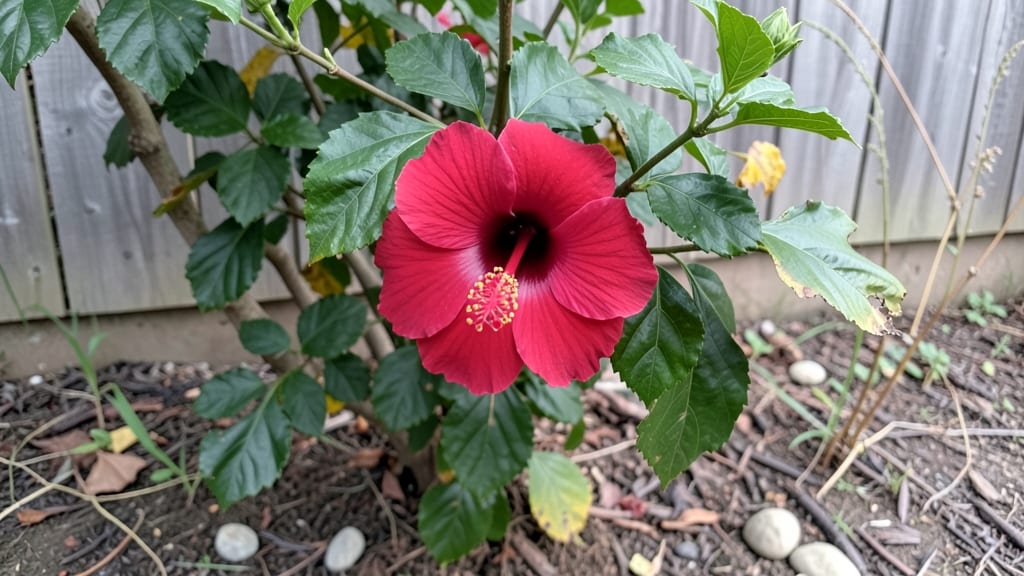
Large-flowered hibiscus plants bring tropical drama to any yard with their 6-inch-wide blooms that look like painted silk. 🌸 I’ve grown them for years, and the secret to their success isn’t complicated—it’s about matching their love of heat and humidity with the right care.
These vines aren’t just showy; they’re tough once established, thriving where other plants wilt.
The first step is picking your spot: full sun (at least 6 hours daily) and well-draining soil. They hate soggy roots, so raised beds or containers with drainage holes work wonders. Container growers can even move plants indoors during winter—just keep them near a bright window.
Varieties like ‘Dwarf Red’ stay compact, while ‘Hawaiian Sunset’ reaches 10+ feet and needs staking or a trellis.
By summer’s end, you’ll have blooms that last from morning until evening, their petals unfurling like clockwork. The key is consistent watering (keep soil moist but not soaked) and a balanced fertilizer every 4-6 weeks during blooming season.
Prune lightly after flowering to shape the plant—just snip back leggy stems to encourage bushier growth.
Even in humid climates, hibiscus stay healthy with minimal fuss. The biggest mistakes? Overwatering (root rot is silent but deadly) and letting them get too cold (below 50°F causes damage).
With the right conditions, these plants reward you with months of bold color—and they’re deer-resistant, so you won’t lose them to hungry critters.
📚 In This Guide
- What you need
- Instructions
- Tips and common mistakes
- Wrapping up and next steps
What you need
- ● Large flowered hibiscus plants – Choose healthy nursery-grown plants (3–5 ft tall) or start from seeds (if you’re patient!).
- ● Well-draining potting mix – A blend of peat moss, perlite, and compost (or a pre-mixed tropical plant mix). 10–15 gallons per mature plant.
- ● Container or garden bed – Containers: 5–15 gallon pots (one per plant; larger for bigger varieties). Ensure pots have drainage holes!
- ● Garden beds: Full sun (6+ hours/day) and loamy, slightly acidic soil (pH 6.0–6.5).
- ● Fertilizer – Balanced liquid fertilizer (10-10-10) – Diluted to ½ strength every 4–6 weeks during growing season.
- ○ Slow-release granular fertilizer (optional) – Sprinkle ¼ cup per plant at planting time.
- ● Gloves & long sleeves – Hibiscus can have tiny thorns!
- ● Pruning shears – Sharp, sterilized shears for trimming dead blooms or shaping.
- ● Watering can or hose with nozzle – Hibiscus loves deep watering (1–2 inches per week).
- ○ Mulch (optional) – Pine bark or straw to retain moisture and regulate soil temp.
- ○ Support stakes (optional) – For taller varieties, use bamboo stakes or trellises.
Step-by-step guide to planting and cultivating large-flowered hibiscus
Here's how to grow these tropical showstoppers with vibrant blooms that last all summer.
🪴 Step 1: Select the Right Location and Prepare the Soil
Large-flowered hibiscus thrives in full sun—at least 6-8 hours daily—so choose a south- or west-facing spot in your garden. The soil must drain exceptionally well; these plants rot quickly in soggy conditions. Amend heavy clay with 2-3 inches of compost and a handful of perlite to improve aeration.
Dig a hole twice as wide as the root ball but only as deep. Hibiscus hate being planted too deep—their stems should sit just above soil level. If your soil is acidic (pH below 6.0), mix in 1 cup of garden lime per hole to raise the pH to the ideal 6.0-6.5 range. You'll know the soil is ready when it crumbles easily between your fingers.
🌱 Step 2: Plant with Care to Ensure Strong Root Establishment
Gently remove the hibiscus from its container and loosen any circling roots with your fingers. Place it in the hole so the top of the root ball sits 1 inch above ground level—settling will occur over time. Backfill with native soil, pressing lightly to eliminate air pockets but not compacting the roots.
Water deeply right after planting to encourage root spread, then let the top 2 inches of soil dry out before watering again. Mulch around the base with 2-3 inches of organic mulch (like pine straw or shredded bark) to retain moisture and regulate soil temperature. Avoid piling mulch against the stem—keep it 3 inches away to prevent rot.
☀️ Step 3: Provide Consistent Water and Fertilizer for Blooms
Hibiscus need 1-1.5 inches of water weekly, more in extreme heat. Water at the base in the morning to reduce evaporation and fungal risks. You'll know it's time to water when the top 2 inches of soil feel dry to touch—stick your finger in to check.
Feed every 4-6 weeks during the growing season with a balanced, water-soluble fertilizer (10-10-10 or 20-20-20). For bigger blooms, switch to a low-nitrogen, high-phosphorus fertilizer (like 5-10-10) once buds form. Always water before and after fertilizing to prevent root burn.
✂️ Step 4: Prune Strategically for Health and More Flowers
Prune hibiscus in late winter or early spring before new growth begins. Cut back one-third of the plant's height to encourage bushier growth. Remove any dead, diseased, or crossing branches first—these compete for energy and reduce airflow.
After the first flush of blooms, give the plant a light trim to shape it and remove spent flowers. This redirects energy to new buds. Never prune after mid-summer—new growth won’t harden off before frost. You'll see stronger stems and more vibrant blooms within a season of proper pruning.
⏰ Step 5: Protect from Frost and Overwinter for Repeat Blooms
Before the first frost, cut back the plant to 12-18 inches tall and mulch heavily around the base with 4-6 inches of straw or leaves. In colder climates (below 15°F), wrap the plant in burlap and cover with a frost blanket. Hibiscus are tropical and won’t survive freezing temperatures.
In milder winters, leave the plant unpruned and mulched—it may bloom again in spring. Resume regular care in early spring, and you’ll see new growth within 4-6 weeks of warmer weather. Patience here pays off with bigger, more dramatic flowers the following season.
Tips & tricks for perfect large flowered hibiscus cultivation
Growing large-flowered hibiscus isn't just about following steps—it's about understanding their tropical nature and creating the right conditions. Here's what I've learned after years of growing these showstoppers.
Sunlight Secret: Those critical 6-8 hours of full sun are non-negotiable for large-flowered hibiscus. I've seen plants struggle in partial shade—leaves grow leggy and blooms become sparse. If your garden doesn't get full sun, consider growing hibiscus in containers where you can move them to catch maximum sunlight throughout the day. Morning sun is especially beneficial as it helps dry dew quickly, reducing fungal risks.
Soil Science: The soil preparation in Step 1 is where many gardeners go wrong. I can't stress enough how important that 6.0-6.5 pH range is—hibiscus simply won't thrive in acidic soil. Test your soil before planting; if it's below 6.0, that 1 cup of garden lime per hole makes all the difference. I've seen hibiscus plants go from struggling to thriving just by adjusting the pH. Also, that 2-3 inches of compost isn't optional—it provides essential nutrients while improving drainage.
Watering Wisdom: The 1-1.5 inches of water weekly guideline is perfect for normal conditions, but here's the thing: hibiscus have shallow roots and dry out quickly in heat. I water mine in the morning when temperatures are cooler, and I always check that top 2 inches of soil—if it's dry, it's time to water. The key is consistency; hibiscus hate having wet feet but also can't handle drought stress. A soaker hose works wonders for delivering water directly to the roots without wetting the leaves, which helps prevent fungal diseases.
Pruning Precision: When it comes to pruning in Step 4, timing is everything. I've made the mistake of pruning too late in the season, and the new growth never hardens off before frost. Always prune in late winter or early spring, and never cut more than one-third of the plant's height—this maintains the plant's structure while encouraging bushier growth. After the first flush of blooms, I do a light trim to remove spent flowers, which redirects energy to new buds. This simple step can double your blooming season!
Pro Tips for Large Flowered Hibiscus
- Growing large-flowered hibiscus isn't just about following steps—it's about understanding their tropical nature and creating the right conditions.
- Sunlight Secret: Those critical 6-8 hours of full sun are non-negotiable for large-flowered hibiscus.
- Soil Science: The soil preparation in Step 1 is where many gardeners go wrong.
Frequently asked questions
Got questions about growing large-flowered hibiscus?
You’re not alone! Here are answers to the most common concerns—from pests to pruning—so you can keep your bold blooms thriving.
How do I protect large-flowered hibiscus from aphids?
Aphids love tender new growth! Spray infested areas with a mild soapy water solution (1 tsp dish soap + 1 quart water) or introduce ladybugs as natural predators. For severe cases, use neem oil (follow label instructions). Check undersides of leaves weekly—early action prevents spread!
When should I prune large-flowered hibiscus for best blooms?
Prune right after flowering (late spring/early summer) to encourage new growth. Avoid heavy pruning in fall/winter—it reduces winter hardiness. Use clean, sharp shears to cut back 1/3 of the plant, focusing on leggy stems. Never prune into old wood—it won’t regrow!
Can large-flowered hibiscus survive winter in cold climates?
Most varieties are tender perennials (USDA Zones 8–11). In colder areas, dig up tubers before frost, trim foliage, and store in dry peat moss at 40–50°F. Replant in spring after last frost. For container-grown plants, move them indoors near a sunny window.
What’s the best alternative if my hibiscus gets fungal diseases?
If powdery mildew or root rot strikes, try disease-resistant varieties like ‘Lord Baltimore’ or ‘Dwarf Blue’ hibiscus. Improve airflow with spacers between plants, water at the base (not leaves), and avoid overhead sprinklers. Copper fungicide can help, but prevention is key!
Why aren’t my large-flowered hibiscus blooms lasting long?
Short-lived blooms often mean too much nitrogen (focus on balanced fertilizer like 10-10-10) or overwatering. Deadhead spent flowers to encourage new buds, and ensure they get 6+ hours of direct sun. Heat stress? Mulch to keep roots cool. Patience pays off—some varieties bloom nonstop with proper care!
Wrapping up and next steps
Growing large-flowered hibiscus is a rewarding journey that brings vibrant color and tropical charm to your garden—even in hot, humid climates! 🌺 With the right soil, sunlight, and care, these bold beauties will flourish year after year.
Now that you’re armed with the essentials, it’s time to roll up your sleeves and get planting.
Start by selecting the perfect spot, then nurture your hibiscus with patience and love. Next step? Mark your calendar for regular pruning (spring and fall) and watch your garden transform into a stunning, low-maintenance oasis. Happy growing!