
Landscaping
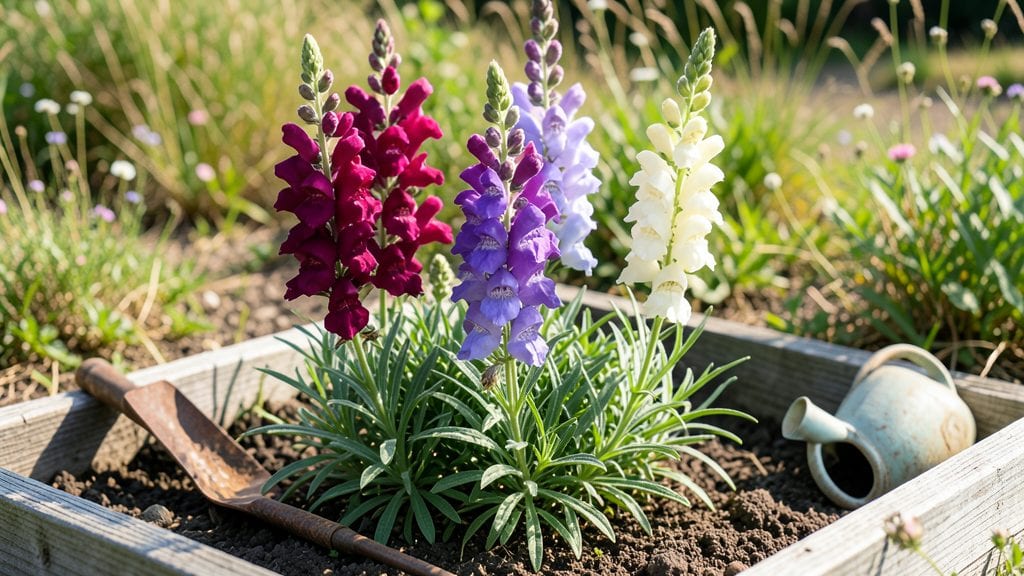
This landscaping snapdragon flower bed turns even the simplest yard into a fragrant, spiky storybook—where drama blooms taller than any flat perennial. 🌸 The key is layering them with shorter plants so they don't get lost in the back of the border.
Start by choosing a sunny spot with well-draining soil—snapdragons thrive where they get at least six hours of sunlight daily. Mix them with ornamental grasses for texture or salvias for contrasting foliage.
The color palette possibilities are endless: deep magenta with silver foliage, or soft pinks with lavender for a dreamy cottage look.
You'll end up with a garden that blooms from early summer through fall, drawing hummingbirds and butterflies to your doorstep. The fragrance alone makes evenings feel like a secret garden party. With proper spacing and deadheading, these plants keep producing until frost.
Works equally well as a standalone border or tucked into mixed beds. The vertical interest they add makes even small spaces feel grand. Let's design something that turns heads all season long.
📚 In This Guide
- What you need
- Instructions
- Tips and common mistakes
- Wrapping up and next steps
What you need
- ● Snapdragon plants: 12–20 plants (mix varieties for height and color, e.g., 6–8 Antirrhinum majus ‘Applause’ series in red, pink, and white). Choose healthy, well-rooted starter plants or seeds (if sowing early).
- ● Well-draining potting soil: 2–3 cubic yards (for in-ground beds) or 10–15 bags (1.5–2 cu. ft. each) for raised beds/containers. Opt for a blend with 50% compost for nutrient-rich growth.
- ● Mulch: 2–3 bags of organic mulch (e.g., shredded bark or straw) to retain moisture and suppress weeds.
- ● Fertilizer: Slow-release granular fertilizer (10-10-10 or 14-14-14) or organic options like fish emulsion (follow package rates for application).
- ○ Support structures (optional but recommended): 4–6 bamboo stakes or tomato cages (5–6 ft tall) per 10 plants to support taller varieties.
- ● Or floral wire or twine for hand-tying (if avoiding stakes).
- ● Garden trowel or hand shovel for digging and transplanting.
- ● Garden fork to loosen soil before planting (especially if compacted).
- ● Pruning shears for trimming dead blooms and shaping plants.
- ● Watering can or hose with a gentle spray nozzle (snapdragons dislike soggy roots!).
- ● Measuring tape or ruler to space plants evenly (aim for 12–18 inches apart).
- ● Gloves to protect your hands from thorns (some varieties have them!).
- ● Location: Full sun (6+ hours/day) and well-draining soil (snapdragons hate waterlogged roots!). Test soil pH—aim for 6.0–7.0 (adjust with lime or sulfur if needed).
- ○ Companion plants (optional but fun!): Pair with salvias, cosmos, or marigolds for height contrast.
- ● Avoid planting near tomatoes or cabbage (they compete for nutrients).
- ● Season timing: Plant seeds 4–6 weeks before last frost (or transplant seedlings after frost risk passes). For year-round blooms, stagger plantings every 2–3 weeks.
- ● Deadheading: Pinch or snip spent blooms to encourage continuous flowering (💡 Pro tip: Use clean shears to avoid disease!).
How to design a stunning snapdragon flower bed
Here's how to create a fragrant, long-blooming display that thrives all season with minimal fuss.
🪴 Step 1: Choose the Perfect Location
Snapdragons love full sun—at least 6 hours daily—but they tolerate light shade in hotter climates. I always scout the spot in morning light since afternoon sun can scorch petals. Avoid low-lying areas where cold air settles—snapdragons resent frost pockets.
Test your site for drainage by digging a 12-inch hole and filling it with water. If it drains in 1 hour, you're good. If water pools after 2 hours, amend the soil with 2-3 inches of compost to improve drainage. Well-draining soil prevents root rot, which can kill plants overnight.
🌱 Step 2: Prepare the Soil for Healthy Growth
Loosen the top 12 inches of soil with a garden fork, breaking up any compacted layers. Snapdragons thrive in slightly acidic to neutral soil (pH 6.7-7.4). If your soil tests outside this range, amend with garden lime (to raise pH) or sulfur (to lower pH) according to test recommendations.
Work in 2-3 inches of compost or aged manure to enrich the soil without overwhelming plants. I like to mix in a handful of balanced fertilizer (10-10-10) at planting time to give roots a nutrient boost. Rake the area smooth afterward—you want a fine, crumbly texture that won't compact when watered.
☀️ Step 3: Plant Snapdragons for Maximum Impact
Dig holes twice as wide as the root ball but no deeper—snapdragons hate having their crowns buried. Space plants 12-18 inches apart for full, lush blooms. If planting in rows, stagger the spacing slightly for a natural, wildflower look instead of rigid lines.
Place each plant in its hole, firm the soil gently around the roots, and water deeply to settle everything. I always add a 1-inch layer of mulch afterward to retain moisture and suppress weeds. Avoid mulching too close to stems—keep it 2 inches away to prevent rot.
💧 Step 4: Water and Maintain for Continuous Blooms
Water snapdragons at the base 1-2 inches deep every 2-3 days during dry spells, but check soil moisture first—stick your finger 1 inch down. If it feels dry, water; if damp, wait. Overwatering causes blossom drop, and you'll know it's happening when buds form but never open.
Deadhead spent blooms regularly to encourage more flowers. Pinch back leggy stems in early summer to promote bushier growth. I also fertilize lightly every 4-6 weeks with a low-nitrogen, high-phosphorus formula (5-10-5) to boost blooming. Snapdragons reward consistent care with nonstop color from early summer to frost.
✂️ Step 5: Extend the Season With Simple Tricks
To prolong blooms, cut back plants by half their height in early fall. This encourages a second flush of flowers before winter. In colder climates, mulch heavily with 3-4 inches of straw to protect roots from freezing. Snapdragons are biennials, so many will self-seed for next year's display.
If you want to save seeds, let a few blooms go to seed heads. Collect them when they turn brown and dry, then store in a cool, dry place. I label each packet with the variety and planting date—this ensures I replant favorites every season without guessing.
Tips & tricks for perfect snapdragon flower beds
Here's what I've learned after years of growing snapdragons—these tricks will help you avoid common pitfalls and create a showstopping display that lasts all season.
Sunlight Secret: While snapdragons tolerate light shade, they truly shine in full sun. If your garden gets afternoon sun, plant them where they'll receive morning light instead—this prevents petal scorch. I've seen snapdragons in full afternoon sun wilt dramatically by midday, while those in morning sun stayed vibrant all afternoon.
Drainage is Everything: That 1-hour drainage test in Step 1 is non-negotiable. I once planted snapdragons in a spot that took 3 hours to drain, and half the plants died from root rot within a week. If your soil drains slowly, create raised beds or add more compost to improve drainage. The extra effort prevents heartbreaking losses overnight.
Planting Precision: When digging holes in Step 3, remember that snapdragons hate having their crowns buried. I learned this the hard way when my first batch developed rot at the base. Use your finger to mark where the crown should sit—it should be just above soil level. Also, that 12-18 inch spacing makes a huge difference in airflow and bloom density.
Watering Wisdom: The 1-2 inch deep watering in Step 4 might seem like a lot, but it's crucial. Shallow watering encourages shallow roots, which makes plants more susceptible to drought. I water in the morning so the foliage has all day to dry, preventing fungal issues. And always check that 1 inch down—your finger is the best moisture meter!
Pro Tips for Landscaping Snapdragon Flower Bed
- Here's what I've learned after years of growing snapdragons—these tricks will help you avoid common pitfalls and create a showstopping display that lasts all season.
- Sunlight Secret: While snapdragons tolerate light shade, they truly shine in full sun.
- Drainage is Everything: That 1-hour drainage test in Step 1 is non-negotiable.
Frequently asked questions
Got questions about creating a stunning snapdragon flower bed? We’ve got answers!
Whether you’re a seasoned gardener or just starting out, these FAQs will help you design, plant, and maintain a vibrant display that blooms from spring to fall.
How do I choose the best snapdragon varieties for a flower bed?
Opt for Antirrhinum majus varieties like ‘Rocket,’ ‘Liberty,’ or ‘Sutton’s Improved’ for height (12–36 inches) and color variety. Dwarf varieties (6–12 inches) work well for borders. Mix colors for visual interest—purples, pinks, and whites pair beautifully. Pro tip: Choose early, mid-, and late-season bloomers to extend your bed’s life.
When is the ideal time to plant snapdragons in a flower bed?
Plant snapdragons in early spring (after the last frost) or late summer (6–8 weeks before the first frost) for fall blooms. Direct-sow seeds or transplant seedlings into well-drained soil. Note: Snapdragons are cool-season annuals—avoid planting in scorching summer heat.
How often should I water snapdragons in a flower bed?
Water snapdragons 1–1.5 inches per week, keeping soil consistently moist (not soggy). Mulch around plants to retain moisture and suppress weeds. Warning: Overwatering can cause root rot, while underwatering leads to wilting. Adjust frequency during dry spells or extreme heat.
What pests or diseases commonly affect snapdragons, and how do I prevent them?
Watch for aphids, spider mites, and slugs. Use neem oil or insecticidal soap for pests. Diseases: Powdery mildew thrives in humid conditions—space plants for airflow and avoid overhead watering. Prevention: Rotate crops annually and remove affected foliage promptly.
Can I mix snapdragons with other flowers in a flower bed?
Pair snapdragons with salvias, marigolds, or ornamental grasses for height contrast. Avoid heavy feeders like petunias (they compete for nutrients). Design tip: Use snapdragons as vertical accents behind shorter perennials like coreopsis or black-eyed Susans.
Wrapping up and next steps
Creating a stunning snapdragon flower bed is all about blending vibrant colors, fragrant heights, and seasonal charm—plus, it’s easier than you think! 🌸 With the right soil prep, plant placement, and ongoing care, you’ll enjoy a showstopping garden that thrives from spring to frost.
Whether you’re a beginner or a seasoned gardener, every step you take brings you closer to a lush, fragrant oasis that’s pure joy to behold.
Ready to dive in? Start by sketching your design, gathering your materials, and picking out those snapdragon varieties that speak to your style. Then, roll up your sleeves—your future garden awaits! 🌿