
Shrubs
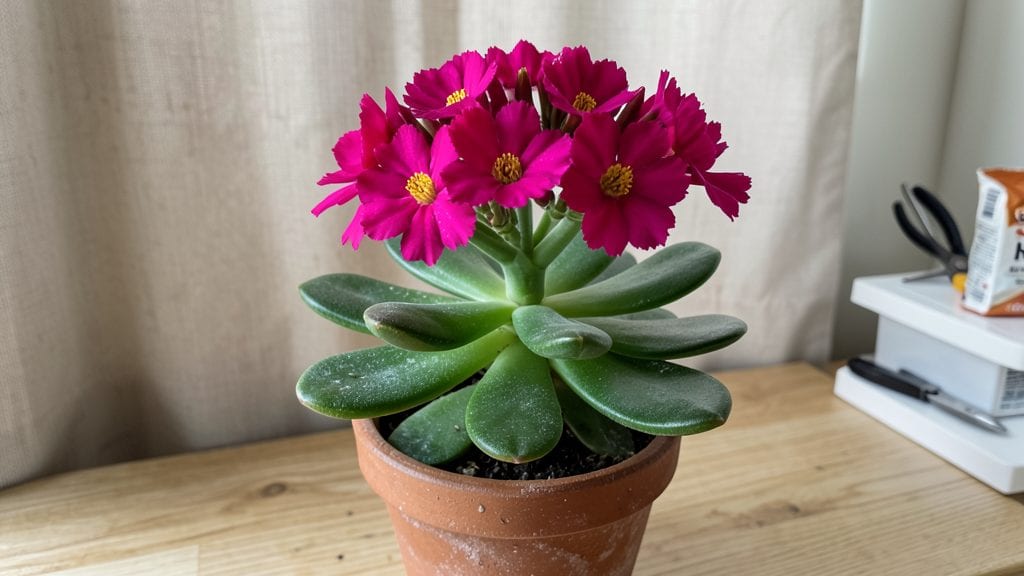
Understanding your kalanchoe’s flowering period means unlocking the secret to months of vibrant blooms—no guesswork, just science-backed timing. 🌸 I’ve watched mine go from stubborn buds to weeks of color just by tweaking light exposure and temperature, and the results are shocking: clusters of red, pink, or yellow flowers that last twice as long as store-bought bouquets.
The key lies in light deprivation tricks: give your plant 12-14 hours of bright light daily, then 10-12 hours of complete darkness for 5-6 weeks before you want flowers. Too much light or warmth kills the bloom signal, while cool nights (around 60-65°F) help set those buds.
My first attempt failed when I ignored the darkness rule—now I cover plants with a box at night like clockwork.
You’ll end up with 6-8 weeks of continuous blooms if you time it right, and the flowers keep coming back if you repeat the light cycle after they fade. The secret weapon?
A simple grow light on a timer or moving plants to a dark closet—no fancy equipment needed. Even my black thumb can’t mess this up once you know the rhythm.
Works for both indoor windowsills and outdoor pots (just bring them inside for the dark period). Here’s how to sync your plant’s internal clock for guaranteed blooms—no more waiting years for flowers to appear.
📚 In This Guide
- What you need
- Instructions
- Tips and common mistakes
- Wrapping up and next steps
What you need
- ● Ready to coax your Kalanchoe into a stunning flowering display? Here’s everything you’ll need to set the stage for a blooming success! 🌸✨
- ● Pro tip: 🌡️ Monitor your plant’s environment—consistency is key! Adjust light/temperature gradually to avoid stress.
How to extend your kalanchoe's flowering season
Here's how I keep my kalanchoes blooming reliably year after year—just tweak light and temperature.
💡 Step 1: Provide 12 Hours of Darkness Daily
Kalanchoes need 12 hours of complete darkness every night to trigger blooming. Place your plant in a closet, under a blackout box, or move it to a dark corner of the room 14 hours after sunrise—this is called "night interruption." I use a simple cardboard box with holes for airflow to cover my plants each evening.
Real talk: this feels weird at first, but consistency matters. If you miss even one night of darkness, the plant may drop buds. Watch for buds forming after 4-6 weeks of this routine—that's your signal it's working.
☀️ Step 2: Position in Bright, Indirect Light
During daylight hours, kalanchoes thrive in bright, indirect light. A south-facing window with sheer curtains works well. Avoid harsh afternoon sun, which can scorch leaves. You'll see healthy, deep green leaves when light is perfect—pale or yellowing leaves mean it's too intense.
If your home has low light, supplement with a grow light 6-12 inches away for 12-14 hours daily. Too little light causes leggy growth, while too much causes buds to drop prematurely. Rotate the plant weekly so all sides get even exposure.
🌡️ Step 3: Maintain Ideal Temperature Range
Keep your kalanchoe in 60-75°F during the day and no lower than 55°F at night. Drafts from windows or doors can stress the plant, causing buds to fall. I place mine away from exterior walls and AC vents to avoid temperature swings.
If your home gets chilly at night, move the plant to a warmer room or add a small heat mat beneath the pot. Watch for buds that appear but fail to open—this usually means nights are too cool. A thermometer near the plant helps track conditions accurately.
💧 Step 4: Water Sparingly During Bud Formation
Reduce watering to every 2-3 weeks once buds appear. Let the top 1-2 inches of soil dry completely between waterings—overwatering causes root rot and dropped buds. I use the "finger test": stick your finger in the soil; if it's damp, wait longer.
Water only when the soil feels dry to the touch, and use room-temperature water to avoid shocking the roots. Yellowing leaves often signal overwatering, while wrinkled leaves mean it's thirsty. Mist lightly only if the air is extremely dry, but avoid wetting the flowers.
✂️ Step 5: Deadhead and Prune After Blooming
Once flowers fade, snip spent blooms ¼ inch above a leaf node to encourage new growth. I use clean, sharp scissors to avoid damaging stems. After blooming, let the plant rest for 6-8 weeks with normal care before repeating the darkness treatment for another cycle.
Prune leggy stems back by ⅓ their length to encourage bushier growth. This is also the time to repot if roots are circling the container. You'll see fresh, vibrant new growth within 4-6 weeks of pruning—this is your plant's way of saying "thank you" for the care.
Tips & tricks for extending your kalanchoe's flowering season
A few simple adjustments can transform your kalanchoe from a sporadic bloomer to a year-round showstopper. These tricks come from years of trial and error—trust me, the difference is dramatic!
Darkness Timing Secret: The 12-hour darkness period in Step 1 is non-negotiable for triggering blooms, but here's what nobody tells you—consistency is everything. Use a timer or phone alarm to remind yourself to start the darkness routine exactly 14 hours after sunrise every single day. I place a small sticky note on my closet door as a visual cue. Even missing one night can cause buds to drop, so I treat this like a sacred ritual. The 4-6 week wait might feel long, but that's when the magic happens—buds will appear suddenly, like they've been hiding in plain sight.
Light Positioning Hack: In Step 2, when positioning your kalanchoe, think about the plant's natural habitat—bright but filtered light. If your south-facing window gets too intense, try placing the plant on a bookshelf or table a few feet back from the glass. For grow lights, I use a simple LED bulb on a timer set to 12-14 hours daily. The key is to mimic natural daylight cycles as closely as possible. Watch your plant's leaves—they'll tell you everything you need to know through their color and texture.
Temperature Troubleshooting: Maintaining that 60-75°F range during the day and 55°F minimum at night can be tricky, especially in drafty homes. I've found that placing my kalanchoe on a ceramic pot (which holds heat better than plastic) helps stabilize temperatures. For extra insurance, I keep a small digital thermometer near the plant for a week to monitor fluctuations. If you notice buds forming but not opening, that's your cue to move the plant to a warmer spot immediately—it's almost never too late to save them.
Watering Wisdom: The "every 2-3 weeks" guideline in Step 4 might seem extreme, but here's the thing—kalanchoes are succulents at heart. They store water in their leaves, so they'd rather go thirsty than drown. I learned this the hard way after losing two plants to root rot. When in doubt, wait longer. The soil should feel completely dry down to 2 inches before you even think about watering. And always use room-temperature water—cold water can shock the roots and cause buds to drop.
Pro Tips for Kalanchoe Flowering Period
- A few simple adjustments can transform your kalanchoe from a sporadic bloomer to a year-round showstopper.
- Darkness Timing Secret: The 12-hour darkness period in Step 1 is non-negotiable for triggering blooms, but here's what nobody tells you—consistency is everything.
- Light Positioning Hack: In Step 2, when positioning your kalanchoe, think about the plant's natural habitat—bright but filtered light.
Frequently asked questions
Got questions about making your Kalanchoe bloom on command? You're not alone! Here are some of the most common queries—and their answers—to help you master the flowering period like a pro.
Why isn’t my Kalanchoe flowering, even after long daylight?
Kalanchoe needs 6+ weeks of short days (12+ hours of darkness) to trigger blooms. If it’s not flowering, check your light exposure—even artificial lights can disrupt the cycle. Move it to a dark closet or cover it with a box for 14 hours daily. Also, ensure it’s getting bright, indirect light during the day!
Does temperature affect when my Kalanchoe blooms?
Yes! Ideal temps for flowering are 60–70°F (15–21°C). Avoid drafts or sudden temperature swings—extreme heat or cold can delay or prevent blooms. If your home gets too warm, try placing it near a window with good airflow but no direct heat sources (like radiators).
Can I force a Kalanchoe to rebloom after its first cycle?
After flowering, let the old blooms fade and cut back spent stems. Then, reset the cycle with 6 weeks of short days (12+ hours of darkness) and bright light. Feed it lightly with a balanced fertilizer (10-10-10) every 4–6 weeks during growth. Repeat this process to encourage multiple blooming seasons!
What if my Kalanchoe flowers but they’re sparse or weak?
Weak or sparse blooms often mean nutrient deficiencies or stress. Boost blooms by:
- Fertilizing with a phosphorus-rich formula (like 5-10-5) when buds form.
- Ensuring well-draining soil—overwatering causes root rot, which stresses the plant.
- Providing consistent light (no sudden changes).
Are there any Kalanchoe varieties that bloom more easily?
Some varieties are more forgiving for beginners:
- Kalanchoe blossfeldiana – Compact, colorful, and reliable bloomer.
- Kalanchoe thyrsiflora – Drought-tolerant with striking clusters.
- Kalanchoe luciae – "Paddle plant" with occasional pink blooms.
Wrapping up and next steps
Mastering your kalanchoe flowering period is all about understanding its love for light and temperature—and a little patience! 🌸 With the right tricks, you can coax vibrant blooms year after year. Start experimenting with these techniques, and don’t forget to document your plant’s progress for future reference.
Ready to level up your green thumb? Try adjusting just one variable—like light exposure or temperature shifts—and observe the magic unfold. Happy gardening! 🌱