
Shrubs
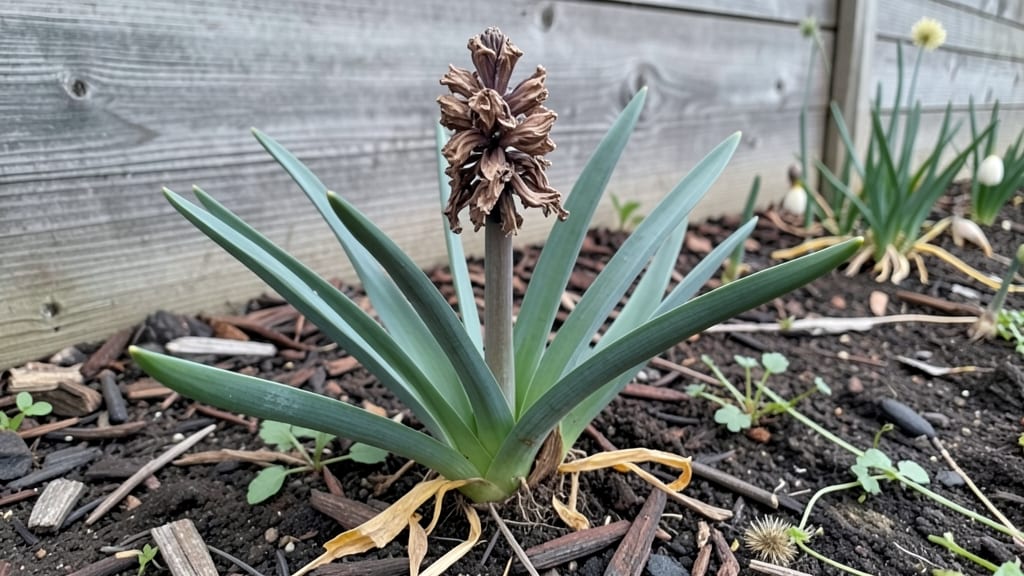
The moment your hyacinths send those intoxicating fragrances into spring air, don’t assume the work is done—this is where the real magic of hyacinth after flowering happens. ✨ I’ve learned the hard way that skipping aftercare means sad, weak blooms next year (or worse, no blooms at all).
The secret to repeat performances lies in what you do after those flowers fade.
Once the blooms wilt, snip the spent flower stalks at the base but leave the strappy foliage—this is how the bulb stores energy for next season. Feed them with a balanced fertilizer in early summer to keep those leaves lush and green for at least six weeks.
I’ve seen gardeners rush to dig up bulbs too soon, and those are the ones that disappoint the following spring.
By late summer, let the foliage yellow naturally before cutting it back. The bulbs will be resting underground, preparing for their next big show. When fall arrives, you’ll have a head start on fragrant blooms because you’ve already given them the care they need to thrive.
This method works whether you’re growing in garden beds, containers, or even forcing bulbs indoors. The key is patience—hyacinths reward consistent care with years of reliable, fragrant blooms. Let’s make next year’s display even better than this one.
📚 In This Guide
- What you need
- Instructions
- Tips and common mistakes
- Wrapping up and next steps
What you need
- ● Garden gloves – A pair (nitrile or leather for durability).
- ● Pruning shears – Sharp, clean shears (bypass-style, 5–7 inches).
- ● Garden fork or trowel – For digging up bulbs (medium-sized, stainless steel).
- ● Compost or well-rotted manure – 2–3 gallons (for enriching soil).
- ● Balanced fertilizer (10-10-10 or similar) – 1–2 cups (for feeding bulbs).
- ● Mulch (straw, pine needles, or shredded bark) – 2–3 inches (to protect bulbs).
- ● Watering can or hose with a gentle spray nozzle – For hydration.
- ○ Labeling tags (optional but helpful) – To track bulb varieties.
- ● Bulb fertilizer (high in phosphorus, like 5-10-10) – Boosts root growth.
- ● Fungicide (copper-based or neem oil) – Prevents rot if bulbs are stored.
- ● Drip irrigation kit – For consistent moisture post-planting.
- ● Garden journal or app – To log care notes for future reference.
Step-by-Step guide to reviving hyacinths after flowering
Here’s how to give your hyacinths a second life for years of fragrant blooms.
🌱 Step 1: Wait Until Flowers Fade Completely
Don’t cut back the foliage until it turns completely yellow and starts to wither on its own. This process usually takes 6-8 weeks after flowering. The leaves are still feeding energy back into the bulb, so cutting too early weakens next year’s blooms.
I know it’s tempting to trim them right after the flowers fade—those spent blooms aren’t pretty—but patience here pays off. Watch for the leaves to brown from the bottom up before you touch them. This is your signal that the bulb has stored enough nutrients for dormancy.
✂️ Step 2: Cut Back Foliage at the Right Time
Once the leaves are fully brown and crispy, use clean, sharp pruners to cut them back to about 1 inch above the soil line. This prevents disease from lingering in dead foliage while still allowing the bulb to rest.
Don’t pull the leaves out by hand—this can damage the bulb. I like to leave the cut stems in place until they naturally decompose, which adds organic matter back to the soil. If you’re concerned about aesthetics, you can remove them after cutting.
💧 Step 3: Reduce Watering and Let the Bulb Rest
After cutting back, reduce watering significantly. Hyacinths need very little moisture during their summer dormancy period. Water only when the top 1-2 inches of soil feel completely dry, which might be every 2-3 weeks depending on your climate.
Overwatering now can cause bulb rot. I’ve seen gardeners drown their hyacinths during this phase, thinking they’re still active plants. Let the soil dry out thoroughly between waterings—this mimics the natural dry spell bulbs experience underground.
☀️ Step 4: Provide Light and Air Circulation
Move the pot to a location with bright, indirect light for the remainder of the growing season. Hyacinths need light to maintain their energy reserves, but too much direct sun can stress the dormant bulb.
Ensure good air circulation around the pot to prevent fungal issues. If you’re growing hyacinths in containers, place them where they get a gentle breeze. I like to group them with other summer bulbs like dahlias for better airflow and shared care.
🌿 Step 5: Prepare for Next Season’s Growth
In late summer or early fall, when new shoots begin to emerge, resume regular watering and fertilizing. Use a balanced bulb fertilizer (like 10-10-10) to encourage strong root and foliage growth before flowering.
This is also the time to divide crowded clumps if needed. Gently dig up bulbs, separate the offsets, and replant them in fresh soil. You’ll see stronger blooms next year if you refresh their growing conditions now. Watch for new shoots—this is your cue that the bulb is waking up!
Tips & tricks for reviving hyacinths after flowering
Here's what nobody tells you about keeping your hyacinths thriving for years of blooms.
Patience is Key: The 6-8 week wait in Step 1 is non-negotiable. I've seen gardeners cut back too early, and their bulbs never rebloomed. The leaves are working hard to store energy for next season—don't interrupt this process. Think of it like saving for a vacation; you wouldn't spend it all before the trip!
Pruning Precision: When you cut back those crispy brown leaves in Step 2, aim for that 1-inch mark above soil level. Use clean pruners to avoid introducing diseases to your dormant bulb. I've found that leaving the cut stems in place actually benefits the soil by adding organic matter as they decompose naturally.
Dormancy Dilemma: During that summer rest period in Step 3, resist the urge to water regularly. The top 1-2 inches of soil should feel completely dry before you water again—this might mean every 2-3 weeks depending on your climate. I've learned the hard way that overwatering during dormancy leads to bulb rot, which is a heartbreaking loss after all your care.
Lighting Strategy: Bright, indirect light in Step 4 is crucial for maintaining energy reserves. Too much direct sun can stress the dormant bulb, while too little light means it won't have enough energy for next year's blooms. I position my hyacinths near an east-facing window where they get morning sun but are protected from harsh afternoon rays.
Pro Tips for Hyacinth After Flowering
- Here's what nobody tells you about keeping your hyacinths thriving for years of blooms.
- Patience is Key: The 6-8 week wait in Step 1 is non-negotiable.
- Pruning Precision: When you cut back those crispy brown leaves in Step 2, aim for that 1-inch mark above soil level.
Frequently asked questions
What should I do with hyacinth bulbs after the flowers die?
After flowering, let the foliage yellow naturally—never cut it back until it browns completely (about 6–8 weeks). This allows the bulb to store energy for next year. Once fully brown, trim the leaves to the ground and stop watering until fall.
When is the best time to divide or replant hyacinth bulbs?
Divide bulbs 4–6 weeks after flowering (late spring/early summer). Wait until the foliage has died back but hasn’t rotted. Dig up clusters, separate offsets (smaller bulbs), and replant in well-draining soil. Pro tip: Add a slow-release bulb fertilizer to the new planting hole for extra vigor!
Can I force hyacinths to rebloom in the same year?
Unfortunately, hyacinths bloom only once per year on the same stem. However, you can encourage future blooms by providing 6+ hours of sunlight daily, rich soil, and consistent watering. For indoor forcing, replant bulbs in fall to restart the cycle.
Why did my hyacinths not bloom this year?
Common culprits include overcrowded bulbs (divide them!), poor sunlight (they need full sun), or overwatering (let soil dry slightly between waterings). Also, check if the bulb was too shallow—plant hyacinths 6–8 inches deep for best results.
What can I plant near hyacinths for a long-lasting garden?
Pair hyacinths with spring ephemerals like crocuses or daffodils (they fade as hyacinths bloom) or perennials like lavender or catmint for contrast. Avoid planting competitive bulbs like tulips too close—they may steal nutrients!
Wrapping up and next steps
Caring for your hyacinth after flowering doesn’t have to be complicated—just follow these simple steps to ensure a vibrant return next season! 🌱 By deadheading, fertilizing, and giving your plant the right conditions, you’ll set the stage for even more stunning blooms in the future.
Now that you’re armed with the know-how, it’s time to roll up your sleeves and give your hyacinth the TLC it deserves.
Next step: Grab your gardening tools, check your soil, and start implementing these tips today—your fragrant garden awaits! 🌸