
Shrubs
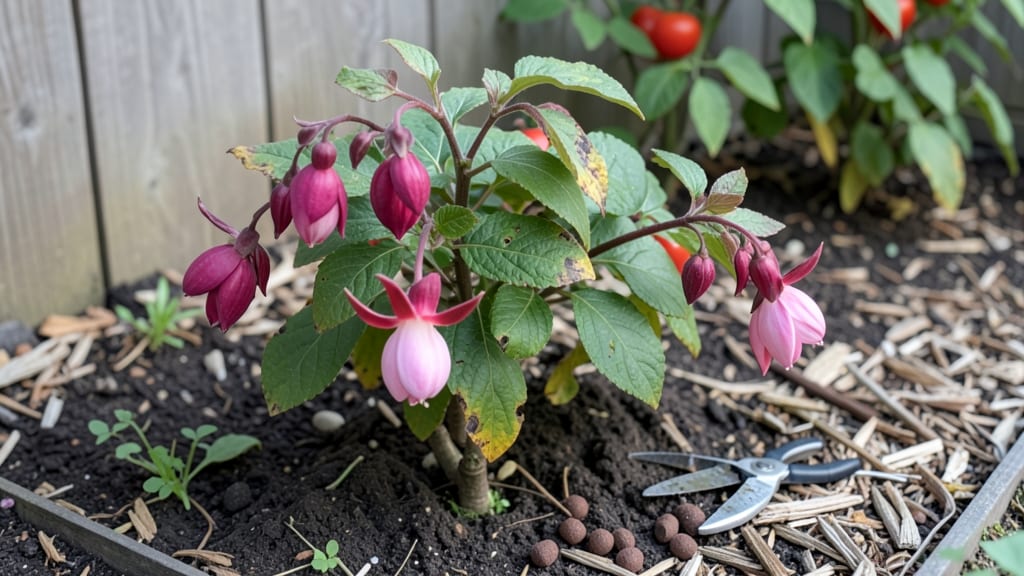
Keeping fuchsias flowering all season is easier than you think—it just takes a little attention to deadheading and a few other tricks. 🌿 I’ve had fuchsias that looked like they were about to quit blooming until I started cutting back spent flowers religiously, and now they’re the showiest plants in my hanging baskets.
The secret isn’t complicated: deadhead faded blooms every few days, keep them in bright but indirect light, and water consistently without letting them dry out completely. Overwatering or underwatering stresses the plant, and that’s when blooms start to taper off.
A balanced fertilizer every 4-6 weeks also keeps them producing those vibrant, dangling flowers.
Once you get the rhythm down, you’ll have fuchsias that flower nonstop from spring until frost. The key is staying on top of those deadheads—it takes just a minute a day, and the payoff is worth it.
Plus, the more you prune, the bushier they grow, which means even more blooms.
Works for both trailing and upright varieties, and even if you’ve struggled before, this method is foolproof. Let’s get those flowers coming back faster than ever!
📚 In This Guide
- What you need
- Instructions
- Tips and common mistakes
- Wrapping up and next steps
What you need
- ● Fuchsia plants: Healthy, mature fuchsias (trailing or upright varieties). Start with at least 2-3 plants for better visual impact.
- ● Pruning shears: Sharp, clean bypass pruners (avoid anvil pruners—they crush stems). Size: 4-6 inches for precision.
- ● Gloves: Lightweight gardening gloves to protect hands from thorns (especially on hardy fuchsia varieties).
- ● Compost or fertilizer: Balanced liquid fertilizer (e.g., 10-10-10 or 20-20-20) diluted to half-strength.
- ● Slow-release granular fertilizer (e.g., 14-14-14) for soil amendment.
- ● Watering can or hose: With a gentle spray nozzle to avoid damaging blooms or stems.
- ● Deadheading scissors: Small, ergonomic scissors for quick trims (great for frequent deadheading).
- ● Grow lights or sunlight meter: To monitor light exposure (fuchsias thrive in partial shade, 4-6 hours of sunlight/day).
- ● Mulch: Organic mulch (e.g., pine bark or shredded leaves) to retain moisture and regulate soil temperature.
- ● Plant support: Cage or trellis for trailing varieties to encourage bushier growth.
- ● Spray bottle: For misting leaves if your climate is hot and dry.
Step-by-Step instructions for keeping fuchsias flowering all season
Here’s my foolproof method for coaxing fuchsias into blooming nonstop—no fancy tricks, just consistent care.
🌿 Step 1: Identify and Remove Spent Blooms Immediately
Fuchsias bloom best when you deadhead regularly, but timing matters. The instant a flower wilts or fades, pinch it off at the base with your fingers or clean pruners. Don’t wait—old blooms signal the plant to stop producing new ones. I check my fuchsias daily in peak season because a single missed bloom can mean a week of fewer flowers.
Look for the tiny seed pod forming at the flower’s base. That’s your cue to remove it. Use sharp pruners to avoid damaging stems, and always cut just above a leaf node where new growth can sprout. You’ll see fresh buds forming within days if you’re consistent.
✂️ Step 2: Prune Leggy Stems for Bushier Growth
Fuchsias grow leggy when they don’t get enough light or are overcrowded. Trim back any stems that stretch more than 6 inches without branching. Cut just above a set of leaves or a bud to encourage new growth. I prune mine every 2-3 weeks during active growth to keep them compact and flowering-heavy.
This isn’t just about looks—pruning improves airflow, which reduces fungal diseases like powdery mildew. After trimming, give the plant a light feeding with a balanced fertilizer (10-10-10) to support new blooms. You’ll notice fresh buds forming at the pruned spots within 10-14 days.
☀️ Step 3: Provide Bright, Indirect Light and Cool Nights
Fuchsias thrive in morning sun and afternoon shade. Too much direct afternoon sun scorches leaves, while too little light means fewer blooms. I place mine near an east-facing window or under a sheer curtain on the west side. If you’re growing them outdoors, watch for 2-3 hours of morning sun max in hot climates.
Cool nights also trigger more blooms. If your home stays above 70°F at night, move the plant to a cooler spot or set a fan nearby. You’ll see the difference in 2 weeks—plants in cooler conditions produce more buds than those in warm, stuffy rooms.
💧 Step 4: Water Consistently Without Overdoing It
Fuchsias hate soggy soil but also wilt if they dry out. Water when the top inch of soil feels dry, which is usually every 2-3 days in summer. I water deeply at the base, avoiding the leaves to prevent fungal issues. Let excess water drain completely—no one likes root rot.
Here’s the trick: Use room-temperature water and water in the morning. This gives the plant time to absorb moisture before evening. If you notice leaves curling or dropping, you’re either overwatering or underwatering. Adjust based on the soil’s moisture level, not a schedule.
🌱 Step 5: Fertilize Lightly During Blooming Season
Feed your fuchsias every 4-6 weeks with a balanced, water-soluble fertilizer (like 20-20-20) diluted to half strength. I skip fertilizer in winter when growth slows. Overfeeding leads to lush foliage but fewer flowers—so less is more here.
For a natural boost, I mix in a handful of compost around the base in spring. This gives the plant slow-release nutrients without the risk of burning roots. You’ll see stronger stems and more buds within 3-4 weeks of consistent feeding.
Tips & tricks for keeping fuchsias blooming nonstop
These simple strategies will help you maximize your fuchsias' flowering potential without extra effort.
Deadheading Timing: I can't stress this enough—remove spent blooms immediately when you see the tiny seed pod forming at the base. That's your plant's signal to stop producing flowers. I check my fuchsias twice daily during peak bloom to catch every single one. The difference in continuous blooming is dramatic when you're consistent with this step.
Pruning Precision: When pruning those leggy stems in Step 2, focus on cutting just above a leaf node or bud. This is where new growth will emerge, and you'll see fresh buds forming within 10-14 days. I always carry a small pair of clean pruners in my gardening bag so I can trim as I notice leggy growth developing. The key is to prune every 2-3 weeks during active growth—don't let stems get too long before trimming.
Light Management: The morning sun and afternoon shade routine in Step 3 is crucial. If you notice leaves turning yellow or crispy, that's your sign of too much direct sun. I've learned the hard way that fuchsias can't handle hot afternoon sun—it burns their delicate leaves. In summer, I even move mine to a shaded patio after 11 AM to protect them. The goal is 2-3 hours of morning sun max in hot climates.
Watering Wisdom: That top inch of soil test is your best friend. I use my finger to check moisture daily in summer heat. The trick is to water deeply at the base—avoid wetting leaves to prevent fungal issues. I've found that morning watering gives plants time to absorb moisture before evening, which prevents stress. If you notice leaves curling, check soil moisture immediately—it's usually either overwatering or underwatering.
Pro Tips for Keep Fuchsia Flowering
- These simple strategies will help you maximize your fuchsias' flowering potential without extra effort.
- Deadheading Timing: I can't stress this enough—remove spent blooms immediately when you see the tiny seed pod forming at the base.
- Pruning Precision: When pruning those leggy stems in Step 2, focus on cutting just above a leaf node or bud.
Frequently asked questions
How often should I deadhead fuchsias to encourage more flowers?
Deadhead fuchsias every 2–3 days during peak blooming season (spring to fall). Remove spent flowers by pinching them off just above the first set of leaves. This redirects energy to new buds, keeping your plant in constant bloom! For trailing varieties, trim lightly after each flush to maintain shape.
Why did my fuchsias stop flowering suddenly?
Sudden flower cessation often signals stress—check for overcrowding, underwatering, or nutrient burnout. Move to partial shade if scorch marks appear, and fertilize lightly with a balanced 10-10-10 formula. If blooms persist but don’t open, it may be too hot (above 85°F); provide afternoon shade or mist leaves.
Can I prune fuchsias aggressively to trigger more blooms?
Moderate pruning works best! Trim back leggy stems by 1/3 in early spring to encourage bushier growth. Avoid heavy cuts after flowering—focus on removing dead or crossing branches instead. Over-pruning can stress the plant, reducing blooms. Always use clean, sharp shears to prevent disease.
Do fuchsias need a dormancy period to rebloom?
Most fuchsias (especially hardy varieties) benefit from a cool, dry rest in winter (40–50°F). Reduce watering and stop fertilizing by late fall. In mild climates, they may bloom year-round, but a short dormancy (4–6 weeks) can revive vigor. Tropical fuchsias rarely need rest—just maintain warmth and humidity.
What’s the best fertilizer for continuous fuchsia blooms?
Use a low-nitrogen, high-phosphorus fertilizer (e.g., 5-10-5) every 4–6 weeks during growing season. For potted fuchsias, dilute fish emulsion or seaweed extract monthly for micronutrients. Avoid high-nitrogen feeds—they promote leaves over flowers! Flush soil occasionally to prevent salt buildup.
How do I protect fuchsias from rain or humidity without stunting blooms?
Fuchsias thrive in humidity but hate soggy roots. Plant in well-draining soil and elevate pots. If rain is frequent, use a clear plastic dome (like a bell cloche) to shield blooms without trapping moisture. For outdoor plants, stake them to improve airflow. Mulch with bark to regulate soil temp and reduce fungal risks.
Wrapping up and next steps
Keeping your fuchsias blooming nonstop is all about consistency—deadheading, pruning, and nurturing with love (and the right techniques!). With these simple steps, you’ll enjoy vibrant, long-lasting flowers that turn heads in your garden. 🌸✨
Ready to transform your fuchsia care? Grab your shears and start deadheading today—your plants (and future blooms) will thank you! For extra inspiration, explore fuchsia varieties or share your progress with fellow gardeners. Happy pruning!