
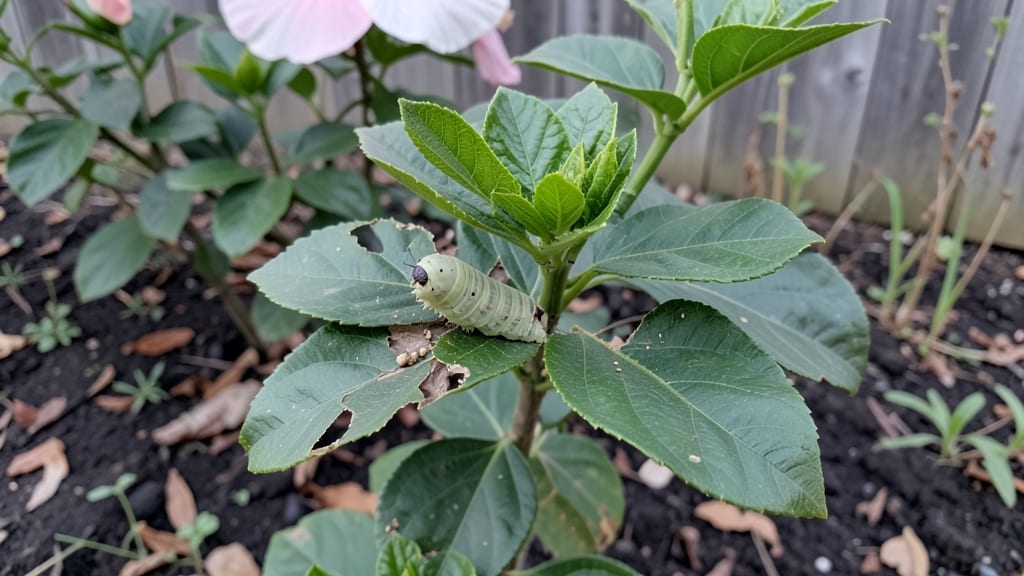
Pests
You can safely eat hibiscus flowers in moderation, as they provide vitamin C, antioxidants, and a tart cranberry-like flavor. Incorporate them into teas, salads, or jams, but discard the bitter calyx and stems. Always choose organic or pesticide-free varieties to ensure safety.
Hibiscus flowers have been used for centuries in traditional medicine and cuisine, particularly in regions like Mexico and the Middle East.
Their vibrant petals are packed with anthocyanins—powerful antioxidants that give them their deep red hue—and can support immune function when consumed regularly. 🌸 The key is proper preparation: removing the bitter, fibrous center (the calyx) and thoroughly rinsing the petals before use.
Many chefs also recommend lightly blanching them to soften texture and enhance flavor.
Beyond teas, these edible blooms shine in creative dishes like hibiscus-infused syrups or as a colorful garnish for cocktails and desserts. Just remember: moderation is crucial, as excessive consumption might cause mild digestive upset in some individuals. Always start with small amounts to test your tolerance.
💡 In This Article
- Nutritional and Medicinal Benefits of Edible Hibiscus Flowers
- How to Prepare and Cook with Hibiscus Flowers Safely
Nutritional and medicinal benefits of edible hibiscus flowers
The vibrant red petals of hibiscus flowers pack a nutritional punch, particularly in vitamin C—a single serving (1 tablespoon dried petals) can provide up to 15% of your daily needs. This vitamin C content rivals that of citrus fruits, making hibiscus an excellent immune-boosting ingredient.
The flowers also contain anthocyanins, the same antioxidants that give blueberries their deep color, which help combat oxidative stress in the body. 🔥
What sets hibiscus apart is its flavonoid profile, including quercetin and kaempferol, which have been studied for their anti-inflammatory properties. Research published in the Journal of Agricultural and Food Chemistry found that hibiscus extracts can help lower blood pressure by promoting vasodilation—similar effects to some mild blood pressure medications.
The tart, cranberry-like flavor also makes it a natural alternative to processed fruit juices.
Traditional medicine systems, particularly in Mexico and the Middle East, have used hibiscus for centuries to treat everything from fevers to digestive issues. The mucilage in the petals forms a soothing gel when steeped in hot water, which is why hibiscus tea is often recommended for sore throats.
Compared to other edible flowers like roses or violets, hibiscus stands out for its higher vitamin C content and stronger medicinal properties.
One key mechanism behind hibiscus's benefits is its ability to modulate gut microbiota. Studies suggest regular consumption may promote beneficial bacteria growth, improving digestion and nutrient absorption.
However, the calyx (the green base of the flower) contains higher concentrations of oxalates, which can contribute to kidney stones in susceptible individuals—another reason to remove this part before eating. 💫
For those with diabetes, hibiscus offers a unique advantage: it may help regulate blood sugar levels. A 2017 study in Phytotherapy Research found that hibiscus extract reduced fasting blood sugar by 10-12% in participants with prediabetes.
The low glycemic index of the petals (around 10) makes it a safer choice than many fruits. When comparing nutrient profiles, hibiscus outperforms even blueberries in antioxidant capacity per gram.
The aromatic compounds in hibiscus, like citric and malic acids, also contribute to its medicinal properties. These acids create a synergistic effect with the antioxidants, enhancing their absorption in the digestive tract.
This is why hibiscus tea is often more effective than isolated supplements—you're getting the whole plant's benefits in one serving. 🌟
To maximize these benefits, consider infusing hibiscus into hot water for at least 10 minutes to release the maximum antioxidants. The deeper red the tea, the higher the anthocyanin content. For culinary uses, dried petals retain more nutrients than fresh, but both forms offer significant health perks when prepared correctly.