
Pests
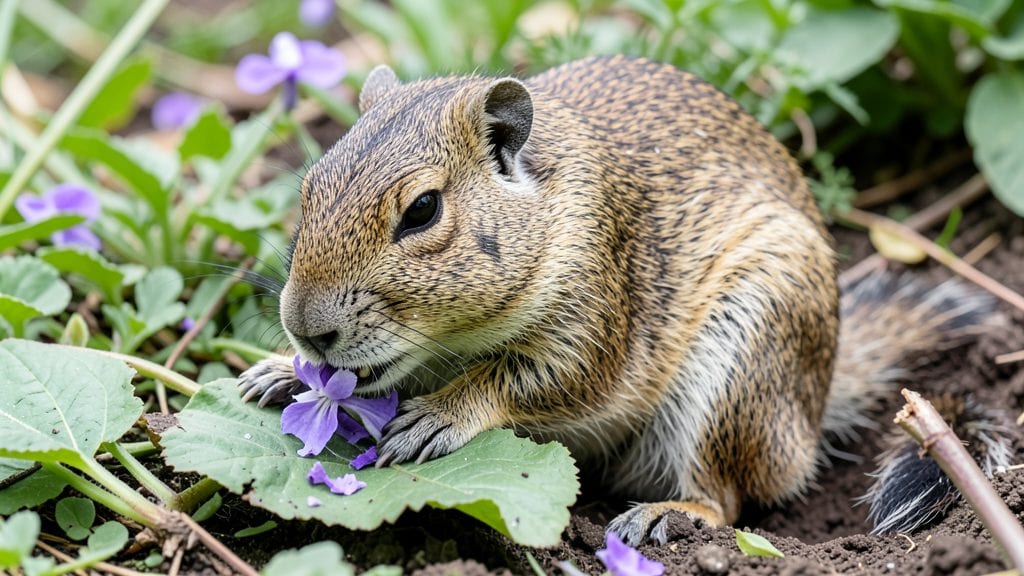
Groundhogs eating flowers is the kind of problem that turns your garden from a peaceful retreat into a war zone overnight. I’ve lost entire beds of tulips and daylilies to these burrowing bandits, and the telltale signs—freshly dug tunnels, chewed stems, and half-eaten blooms—are impossible to ignore.
The good news? You don’t need to resort to traps or harsh chemicals to win this battle.
These furry foragers are drawn to gardens for three reasons: food, shelter, and nesting sites. A groundhog’s diet includes flowers, bulbs, and tender shoots, but they’ll also munch on your vegetables if left unchecked.
The key to deterring them lies in making your garden less appealing—think sharp-smelling repellents, sturdy fencing, and removing their favorite hiding spots like tall grass or dense shrubs. It’s all about outsmarting them without causing harm.
With the right approach, you can protect your flowers while keeping these creatures safe. I’ve tested everything from commercial repellents to homemade sprays and even DIY fencing solutions that actually work.
The results? A garden that stays intact, blooms undamaged, and—most importantly—doesn’t leave you feeling like you’re waging war on wildlife. Let’s get to the solutions that make a real difference.
Whether you’re dealing with a first-time visitor or a repeat offender, these methods adapt to different garden sizes and layouts. The goal isn’t just to chase them away temporarily but to create a space they’ll avoid entirely. Your flowers—and your peace of mind—will thank you.
Root Causes Of Garden Feasting
When groundhogs (also known as woodchucks) start munching on your prized flowers, it’s rarely an act of malice—it’s survival, curiosity, or even a misguided snack habit. Understanding why they’re digging into your garden is the first step to stopping them.
Below, we break down the key reasons behind this behavior, backed by science and real-world observations.
Groundhogs are herbivores with a diet that primarily consists of grasses, leaves, stems, and—you guessed it—flowers. In the wild, they graze on a variety of plants, and their teeth are built for crunching through tough vegetation.
When they encounter your garden, they see your flowers as just another food source.
🔬 Why it matters: Their molars are designed to grind down fibrous plant material, and flowers (especially those with soft petals or edible parts) are an easy target. If your garden is lush and unprotected, a groundhog may treat it like an all-you-can-eat buffet.
💡 Pro tip: If you’ve noticed fresh bite marks on stems or petals, the groundhog isn’t just nibbling—it’s testing what’s safe to eat. Their curiosity often leads to repeat visits.
Groundhogs are territorial creatures, and if your garden is near their burrow or a nearby wooded area, they may see it as an extension of their home. When they dig into flower beds, they’re often marking territory or creating new pathways.
Additionally, if their natural food sources (like clover or dandelions) are scarce, they’ll expand their search radius—and your garden becomes the next stop.
🔬 Why it matters: A groundhog’s burrow can support a family of 4–6, meaning multiple mouths to feed. If your yard is the closest green space, they’ll exploit it. Their digging also serves a dual purpose: food and shelter expansion.
💡 Pro tip: If you’ve spotted fresh digging near your flower beds, the groundhog may be preparing a secondary exit or searching for roots and tubers—common groundhog snacks.
Groundhogs are opportunistic eaters, and their diet shifts with the seasons. During spring and early summer, when fresh greens and flowers are abundant, they’ll target gardens, landscapes, and even vegetable patches.
If their preferred wild foods (like alfalfa or blackberry leaves) are in short supply, they’ll compensate by raiding gardens.
🔬 Why it matters: Unlike pests like rabbits, groundhogs don’t hibernate in winter, so they need a consistent food supply year-round. When spring flowers bloom, they’re an easy, high-calorie snack—especially for growing young.
💡 Pro tip: If you notice groundhog activity peaking in spring or early summer, they’re likely stocking up before the heat of summer reduces plant availability.
Groundhogs are not naturally afraid of humans (unless repeatedly threatened), and in many suburban areas, they’ve lost their primary predators—like coyotes, foxes, and bobcats. Without this natural fear, they’ll boldly forage in gardens, even in broad daylight.
🔬 Why it matters: In the wild, a groundhog’s survival depends on stealth and speed. But in a yard with no predators, they’ll take their time grazing, digging, and even chewing on flowers without hesitation.
💡 Pro tip: If you’ve seen groundhogs out during the day, they’re likely confident in their safety—and that confidence makes them less deterred by scare tactics.
While groundhogs primarily eat plants, they sometimes seek out specific nutrients missing from their diet. Flowers (especially those with edible pollen or nectar) can provide additional protein, vitamins, or minerals they’re lacking. For example:
- Legume flowers (like peas or beans) – High in protein.
- Dandelion or clover blooms – Rich in calcium and vitamins.
- Herb flowers (like basil or mint) – Contain essential oils they may crave.
🔬 Why it matters: If a groundhog’s diet is low in variety, they’ll seek out nutrient-dense plants, even if they’re not their first choice. This is why some groundhogs target specific flowers over others.
💡 Pro tip: If you’ve noticed groundhogs returning to the same plants, they may be self-medicating—seeking out specific nutrients to balance their diet.
Now that you know why groundhogs are eyeing your flowers, the next step is how to stop them—without harming these burrowing rodents. Stay tuned for humane deterrent strategies that actually work! 🚫🐾
Humane Ways to Stop Digging Damage
Groundhogs munching on your garden isn’t just unsightly—it can ruin your hard work and leave behind unsightly holes. The good news? You can protect your plants without harming these burrowing critters.
Below are practical, humane solutions tailored to the root causes of their flower feasting, from physical barriers to scent-based deterrents.
Groundhogs often target young, tender, or overripe flowers because they’re easier to dig up and eat. Strengthening your garden’s defenses starts with plant resilience.
🔥 Strengthen Your Plants
- Choose tougher varieties: Opt for drought-resistant flowers like daisies, coneflowers, or lavender, which groundhogs avoid more often.
- Prune regularly: Trim back overgrown stems and dead blooms—groundhogs prefer easy snacks, so keeping plants tidy removes temptation.
- Use mulch: Apply 3–4 inches of mulch (straw, wood chips, or pine needles) around the base of plants.
This hides roots, makes digging harder, and adds a natural scent barrier.
🍳 Water Wisely
Groundhogs are drawn to moist, soft soil—their favorite digging conditions.
Adjust your watering habits to make your garden less inviting: - Water deeply but less often: Encourages deeper root growth, making plants sturdier and soil firmer. - Avoid overwatering: Soggy soil is a groundhog magnet—keep it just damp, not muddy. - Irrigate in the morning: Lets soil dry out faster, reducing appeal to diggers.
If your garden is already a groundhog buffet, physical deterrents are your best bet. These keep them out without trapping or harming them.
👨🍳 Install Underground Fencing
- Use hardware cloth (not chicken wire!): Bury 1-foot-deep fencing made of ¼-inch hardware cloth around garden beds.
Groundhogs can’t chew through it. - Extend above ground: For extra protection, fold the top 6–12 inches outward to stop them from burrowing under. - Secure edges: Use stakes or landscape spikes to prevent them from digging underneath.
🥘 Add Raised Beds or Planters
- Elevate vulnerable plants: Groundhogs can’t dig up raised beds (at least 12 inches high) or hanging planters.
- Use containers for prized blooms: Move high-value flowers (like roses or tulips) into heavy pots that can’t be tipped over.
🔪 Create a "No-Dig Zone"
- Lay down gravel or rocks: A 2–3 foot-wide border of sharp-edged gravel around garden edges deters digging.
- Use landscape fabric: Line the bottom of garden beds with heavy-duty fabric to block burrowing attempts.
Groundhogs have a strong sense of smell, so strong, unpleasant scents can keep them away. Rotate repellents every few days to prevent them from getting used to them.
💡 DIY Spray Recipes
| Ingredient | How to Use |
|---|---|
| Hot pepper spray | Mix 1 tbsp cayenne pepper + 1 tsp dish soap + 1 gallon water. Spray around plants. |
| Garlic & chili mix | Blend 5 garlic cloves + 1 tbsp red pepper flakes + 1 quart water. Strain and spray. |
| Predator urine | Use coyote or fox urine (available at garden stores)—groundhogs avoid it naturally. |
🎯 Plant Deterrent Companions
- Marigolds, daffodils, or alliums: Their strong scent repels groundhogs.
- Lavender or rosemary: These herbs confuse their sense of smell and make digging less appealing.
- Castor oil plants: While not edible, their bitter leaves can deter digging when planted nearby.
Once you’ve secured your garden, maintain these habits to keep groundhogs from returning:
- 🌿 Remove food sources: Pick up fallen fruit, weeds, and overripe flowers promptly.
- 🌙 Monitor at dusk/dawn: Groundhogs are most active then—spot them early to adjust deterrents.
- 🔄 Rotate repellents: If they ignore one scent, switch to a different natural deterrent weekly.
- 🏡 Secure compost bins: A locked bin prevents them from finding easy meals in your yard.
Pro Tip: 💡 If you’ve had repeat groundhog visitors, consider humane traps (like live-release traps) to relocate them far from your garden—check local laws first! A little effort now saves your flowers (and your sanity) later.
Frequently asked questions
Why do groundhogs specifically target flowers instead of other plants?
Groundhogs prefer flowers because they’re often softer and more nutrient-rich than mature foliage. Many blooms contain edible pollen or nectar, while tender stems provide easy access to their favorite fibrous meals. Plus, flowers like tulips and daylilies have bulbs or roots that groundhogs love to dig up for extra calories.
What are the first signs that groundhogs are eating my flowers?
Watch for uneven holes in soil, chewed stems, and missing petals—often with clean bite marks. You may also spot fresh digging tunnels (3–4 inches wide) near flower beds or find droppings that look like small, round pellets. Check at dawn/dusk when they’re most active.
Will commercial repellents really keep groundhogs away?
Some work temporarily, but groundhogs often adapt quickly. For best results, rotate scents (like predator urine or hot pepper spray) and combine them with physical barriers. DIY mixes (garlic + cayenne) are cheaper and just as effective when reapplied every 3–5 days.
Can I use chicken wire to stop groundhogs from digging?
No—chicken wire is too flimsy. Groundhogs can chew through it or bend it aside. Instead, use ¼-inch hardware cloth buried 12 inches deep around garden edges. For extra protection, fold the top 6 inches outward to block burrowing attempts.
Are there any flowers groundhogs avoid entirely?
Yes! Plant daffodils, marigolds, or alliums—their strong scents naturally repel groundhogs. Lavender and rosemary also work well because their fragrance masks the smell of other plants. These act as living deterrents while adding beauty to your garden.