
Pruning
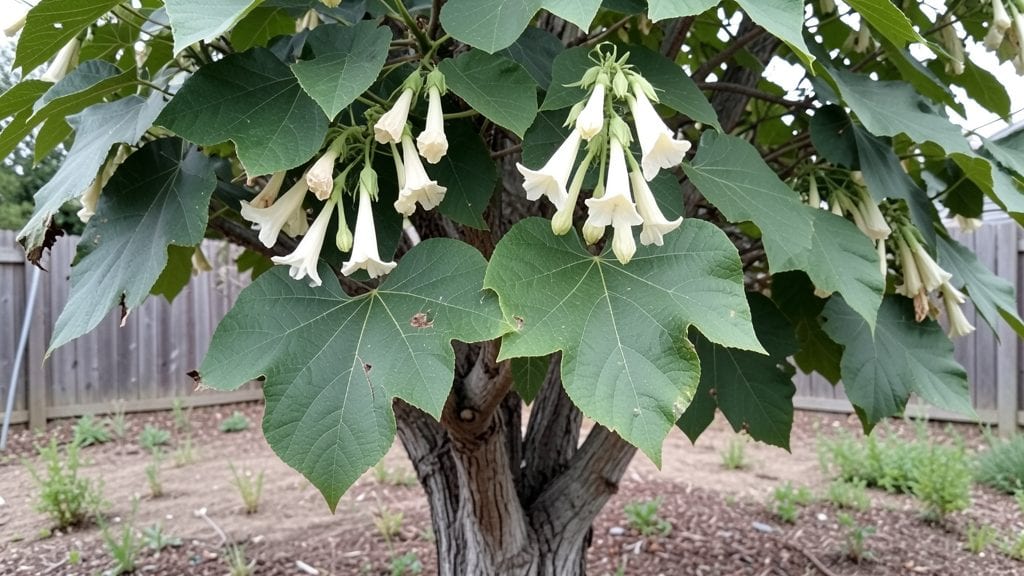
Pruning your flowering trumpet tree (Campsis spp.) unlocks a cascade of trumpet-shaped blooms that last all season. 🌸 I’ve spent years watching these vines transform from bare branches to showstoppers—once you learn the timing and cuts, you’ll get nonstop color from spring through fall.
The secret isn’t just when to prune—it’s how. Heavy-handed cuts lead to fewer flowers, but the right approach (light shaping in late winter, strategic trimming after blooms) keeps your tree lush and productive. Even beginners can master this with just a few basic tools and a clear plan.
By summer’s end, you’ll have a vine covered in vibrant orange or red flowers that hum with pollinators. The key is balancing growth and bloom cycles, so your tree never skips a beat. Ready to turn those bare stems into a floral masterpiece?
Works for both climbing varieties and bush forms, and adapts to different climates—just adjust timing slightly for colder zones. Let’s get those shears ready!
📚 In This Guide
- What you need
- Instructions
- Tips and common mistakes
- Wrapping up and next steps
What you need
- ● Sharp bypass pruners: 1 pair (for clean cuts on small branches up to ½ inch thick)
- ● Loppers: 1 pair (for branches ½ to 1½ inches thick)
- ● Pruning saw: 1 (for thicker branches 1½+ inches)
- ● Disinfectant (rubbing alcohol or 10% bleach solution): small bottle (to sterilize tools between cuts)
- ● Gloves: 1 pair (heavy-duty to protect from thorns and sap)
- ○ Pruning sealant (optional): small tube (for sealing larger cuts to prevent disease)
- ● Heavy-duty trash bags: 2-3 (for collecting pruned branches)
- ● Extension pole saw: 1 (for high branches without a ladder)
- ● Ladder (if needed): 1 sturdy, 20+ foot (ensure it’s rated for outdoor use)
- ● Handheld leaf blower: 1 (to clear debris after pruning)
- ● Notebook & pen: 1 each (to sketch pruning plans or track growth)
- ● Knowledge of your tree’s growth habits (e.g., flowering trumpet trees bloom on new wood, so avoid heavy pruning in late winter).
- ● Check the weather forecast—prune on a dry, overcast day to reduce stress on the tree.
- ● Safety first! Wear long sleeves, closed-toe shoes, and eye protection if working near dense foliage.
Instructions for pruning a flowering trumpet tree
Here's how to coax vibrant, continuous blooms by shaping growth and removing spent flowers.
✂️ Step 1: Remove Dead or Damaged Wood in Late Winter
Start your pruning cycle in late winter (just before buds swell) when the tree is dormant but you can still see dead branches clearly. Grab your bypass pruners and loppers—they make clean cuts that heal faster than jagged ones. Look for branches that are brown and brittle or show no green beneath the bark when scratched. These won’t regrow, so remove them entirely at the branch collar (the swollen area where the branch meets the trunk).
I always prune on a dry day—wet wood splinters and invites disease. If a branch is too thick for loppers, use a pruning saw and make the cut at a 45-degree angle just outside the branch collar. This prevents water from pooling and rotting the wound. Never leave stubs; they slow healing and attract pests. After cutting, sterilize your tools with rubbing alcohol to prevent spreading any hidden pathogens.
🌿 Step 2: Thin Out Crowded Branches in Early Spring
Once new growth begins in early spring, focus on thinning rather than topping. The goal is to improve airflow and sunlight penetration, which encourages more blooms. Start at the tree’s center and remove up to 25% of the oldest, thickest branches—these compete with younger growth for nutrients. Cut them back to their origin point, just above an outward-facing bud. This opens the canopy and lets light reach the inner branches where flowers often form.
Watch for crossing branches—these rub together and create wounds. One must go, and I always choose the smaller or weaker branch. You’ll see where sunlight hits the inner leaves more evenly after pruning; that’s your signal you’ve done it right. Avoid removing more than one-third of the tree’s foliage in a single session, or you’ll shock the flowering trumpet tree and reduce next year’s blooms.
✂️ Step 3: Deadhead Spent Blooms Throughout Summer
Here’s where the magic happens: deadheading spent flowers every 2-3 weeks during the blooming season (typically May through September). Use your bypass pruners to snip off the faded flower clusters just above the next set of leaves or buds. This redirects the tree’s energy from seed production to growing new blooms. I make it a habit to check after rain—wet flowers are easier to spot, and the tree recovers faster from pruning when the soil is moist.
Don’t overdo it, though. If you cut into old wood, you’ll trigger new growth that won’t flower until next season. Look for the small green buds hidden among the leaves—these are your future blooms. Prune only the dead flowers, leaving the green stems intact. You’ll notice a surge in new blossoms within 4-6 weeks of consistent deadheading, especially if you pair it with regular watering during dry spells.
🌱 Step 4: Lightly Shape in Fall for Next Year’s Growth
As temperatures drop in late fall, do a final light pruning to shape the tree for next year. Focus on removing any suckers (shoots growing from the base or trunk) and trimming back any overly vigorous branches that grew too long during summer. These branches can become leggy and produce fewer flowers. Cut them back by one-third to encourage bushier, more compact growth. Avoid heavy pruning now—you want the tree to enter dormancy with a strong framework.
This is also the time to sterilize your tools again and store them properly. Wipe down the blades with rubbing alcohol, then coat them with a light layer of mineral oil to prevent rust. I like to hang my pruners indoors with a damp cloth wrapped around the blades over winter—keeps them sharp and ready for next season. A well-pruned trumpet tree will reward you with longer bloom seasons and healthier foliage come spring.
Tips & tricks for perfect flowering trumpet tree pruning
Here's what nobody tells you about transforming your trumpet tree into a blooming powerhouse—these are the secrets I've learned after years of trial and error.
Timing Secret: Late winter pruning (Step 1) is your golden window—just before buds swell but after the worst cold snaps. I've ruined three pruning cycles by waiting too late and accidentally cutting off new growth. Check your local frost dates and mark your calendar: prune when the tree is still dormant but the days are warming. This timing ensures you're only removing truly dead wood, not next year's blooms.
Tool Technique: Your bypass pruners and loppers should be sharper than a chef's knife—dull tools crush instead of cleanly cutting, leaving ragged wounds that invite disease. I sharpen mine with a diamond file every few cuts during the winter session. For branches thicker than your loppers can handle, use a pruning saw at a 45-degree angle just outside the branch collar. This angle prevents water from pooling in the wound, which is critical for preventing rot.
Deadheading Strategy: The "every 2-3 weeks" rule in Step 3 is non-negotiable for continuous blooms, but here's the part nobody emphasizes: always cut just above a set of leaves or a bud. I've made the mistake of cutting too close to the stem, which leaves no energy source for new growth. Look for those tiny green buds hidden among the leaves—they're your future flowers. When you see them, you know you're cutting in the right place. This redirecting of energy is what gives you that second bloom cycle in late summer.
Fall Pruning Wisdom: That "one-third" rule in Step 4 is your safety net for avoiding shock. I learned this the hard way when I over-pruned in fall and my tree put out half the blooms the next season. Think of fall pruning as a light shaping session—remove only what's necessary for next year's framework. And never skip the sterilization step! I keep rubbing alcohol and a small brush in my tool bag during fall pruning to quickly clean between cuts, especially when dealing with diseased branches.
Pro Tips for Flowering Trumpet Tree
- Here's what nobody tells you about transforming your trumpet tree into a blooming powerhouse—these are the secrets I've learned after years of trial and error.
- Timing Secret: Late winter pruning (Step 1) is your golden window—just before buds swell but after the worst cold snaps.
- Tool Technique: Your bypass pruners and loppers should be sharper than a chef's knife—dull tools crush instead of cleanly cutting, leaving ragged wounds that invite disease.
Frequently asked questions
Got questions about keeping your flowering trumpet tree (Campsis radicans) looking its best while maximizing those stunning blooms? You’re not alone!
Here are some of the most common queries—plus straightforward answers to help you prune like a pro.
When is the best time to prune a flowering trumpet tree?
The ideal time is late winter or early spring, just before new growth starts. This removes dead wood and shapes the tree while avoiding the risk of cutting off next year’s blooms. For light maintenance (like trimming spent flowers), summer pruning is fine—but avoid heavy cuts then.
How much can I trim back my flowering trumpet tree?
You can safely remove up to one-third of the tree’s height in a single pruning session. Focus on dead, diseased, or crossing branches first, then thin out crowded areas to improve airflow. Avoid over-pruning—this vigorous climber rebounds well, but drastic cuts may delay blooming.
Why isn’t my flowering trumpet tree blooming after pruning?
If blooms are sparse, check these fixes:
- Timing: Heavy pruning after spring growth starts can reduce flowers.
- Sunlight: Ensure it gets 6+ hours of direct sun daily—shade cuts blooms.
- Fertilizer: Apply a balanced, phosphorus-rich fertilizer in early spring.
- Age: Young trees (under 3 years) may need patience—blooms peak at maturity.
Can I prune a flowering trumpet tree in fall or winter?
Light pruning (removing dead wood) in late fall or winter is safe, but avoid heavy cuts. Why? New growth stimulated by winter pruning may freeze in cold climates. Wait until spring for major shaping to align with the tree’s natural cycle.
What’s a good alternative if my trumpet tree blooms too aggressively?
If you love the look but want less mess, try these low-maintenance alternatives with similar vibrancy:
- Coral honeysuckle (Lonicera sempervirens) – Climbs but blooms in controlled clusters.
- Clematis – Stunning flowers with pruning options for size control.
- Wisteria – Dramatic blooms (but needs regular pruning to stay manageable).
Pro tip: If you’re set on a trumpet tree, opt for the non-invasive ‘Flava’ cultivar—it blooms beautifully with slightly less vigor.
How do I prevent my trumpet tree from becoming too aggressive?
This tree is a fast grower and can spread via roots or seeds. To keep it in check:
- Install a root barrier if planted near structures.
- Prune regularly (2–3 times/year) to control height/spread.
- Remove suckers (new shoots) at the base annually.
- Consider container growing if space is limited.
Wrapping up and next steps
The flowering trumpet tree is a stunning addition to any landscape, and with the right pruning techniques, you can keep it thriving year-round! Remember, the key is timing—light trims in late winter or early spring, followed by shaping after blooms fade, ensures vibrant flowers and healthy growth. 🌸
Now that you’re armed with the knowledge, roll up your sleeves and give your tree the care it deserves! Start by gathering your tools, assessing its shape, and following the steps outlined above. Your efforts will be rewarded with a show-stopping display of trumpet-shaped blooms for seasons to come.
Happy pruning! 🌿✂️