
Shrubs
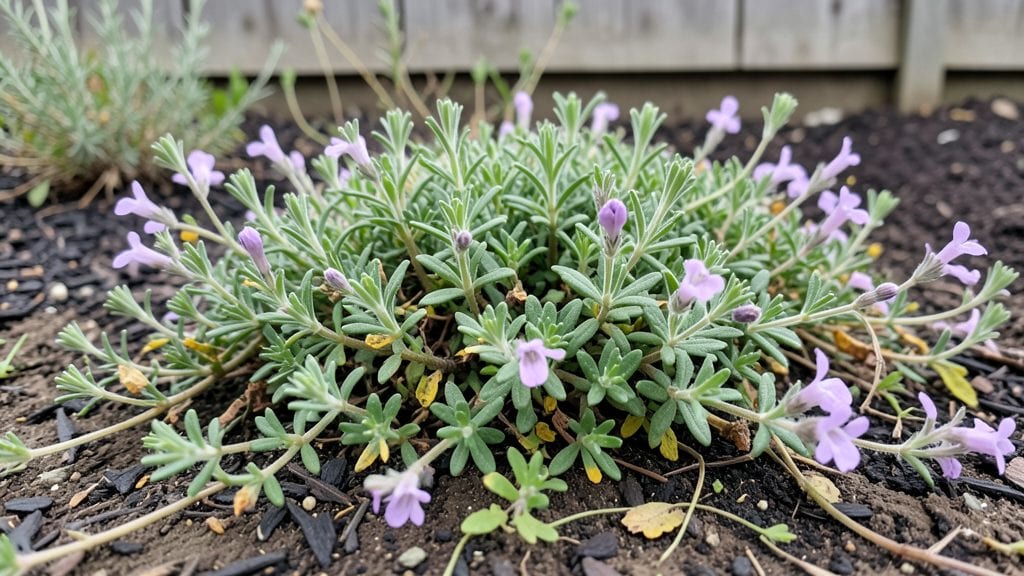
Flowering thyme isn't just pretty—it's the edible superstar of pollinator-friendly herbs. 🌿 I've grown it in my kitchen garden for years, and every time I brush past the lavender blooms, I'm reminded why this little shrub deserves a prime spot.
The flowers taste like a sweeter, more floral version of the leaves, perfect for garnishing dishes or steeping in honey.
This hardy perennial thrives in full sun to part shade and tolerates poor soil better than most herbs. Plant it in well-draining soil, water it lightly once established, and watch it spread into a fragrant, low-maintenance ground cover.
The key to keeping it productive? A light pruning after flowering to encourage bushier growth—and more edible blooms next season.
You'll harvest tender leaves all season, but the real treat comes when the flowers open. Toss them into salads for a delicate licorice note, or use them to make floral-infused oils and syrups. Bees adore it too, turning your garden into a humming, buzzing ecosystem while you enjoy the harvest.
Works beautifully in rock gardens, along pathways, or even as a container plant for patios. The best part? It's impossible to overplant—just make sure to prune it back before it gets too woody. Ready to grow yours?
📚 In This Guide
- What you need
- Instructions
- Tips and common mistakes
- Wrapping up and next steps
What you need
- ● Flowering thyme plants: 3–5 nursery-grown Thymus vulgaris or Thymus serpyllum (creeping thyme) plants. Choose varieties like Thymus citriodorus (lemon thyme) or Thymus polytrichus (woolly thyme) for extra flavor and pollinator appeal.
- ● Well-draining soil: 1–2 cubic yards of loamy, sandy soil (pH 6.0–8.0). Mix in compost (1 part compost to 3 parts soil) for nutrients.
- ● Sunlight access: A full-sun location (6+ hours of direct sunlight daily). Partial shade (4–6 hours) works for milder climates.
- ● Watering can or hose: With a gentle spray nozzle to avoid disturbing roots.
- ● Garden gloves (to protect hands from prickly stems).
- ● Pruning shears (sharp, clean shears for trimming).
- ● Mulch: 1–2 inches of gravel or straw mulch (retains moisture, deters weeds).
- ○ Pollinator-friendly companions: Optional but recommended! Plant nearby: Beesbalm (Monarda)
- ● Lavender (Lavandula)
- ● Borage (Borago officinalis)
- ● Edible thyme harvest kit: Small glass jars or herb-drying bundles for preserving.
Step-by-Step guide to growing edible flowering thyme
Here's how to cultivate thyme that thrives for pollinators while keeping your kitchen stocked.
🌱 Step 1: Prepare the Planting Site
Thyme loves well-draining soil and full sun—choose a spot with at least 6 hours of direct sunlight daily. If your garden soil is heavy clay, amend it with 1-2 inches of coarse sand or perlite to improve drainage. I dig a hole twice as wide as the root ball but only as deep as the container it came in.
Thyme hates soggy roots, so if your area gets heavy rainfall, consider planting on a slight mound or in raised beds. You'll see the plant struggle if leaves yellow or wilt after watering—this is the classic sign of poor drainage.
🪴 Step 2: Plant Your Thyme Starts
Gently remove thyme from its container and loosen any circling roots with your fingers. Place the plant in the hole so the top of the root ball sits even with the soil surface—burying too deep can suffocate the plant. Fill around the roots with native soil and press lightly to eliminate air pockets.
Water deeply right after planting to help soil settle, but avoid creating a muddy mess. You'll know you've done it right when the soil looks firm but still crumbly. For 4 plants, space them 12-18 inches apart to allow airflow and prevent fungal diseases.
☀️ Step 3: Establish a Watering Routine
Thyme is drought-tolerant once established, but new plants need consistent moisture. Water 1-2 times per week during the first growing season, giving about 1 inch of water per week. Check soil moisture by sticking your finger 1 inch deep—if it feels dry, it's time to water.
Water at the base of the plant rather than overhead to keep leaves dry, which helps prevent fungal issues. In hot climates, you might need to water more frequently, but always let the top inch of soil dry out between waterings. Overwatering is the fastest way to kill thyme.
✂️ Step 4: Prune for Bushier Growth and Flowers
Pinch back the tips of new growth in early spring to encourage bushier plants. Use clean pruning shears to trim just above a set of leaves, removing about 1/3 of the plant's height. This also stimulates more flowering, which attracts pollinators and gives you edible blossoms for garnishes.
After flowering, trim back any spent blooms to encourage a second flush of flowers. You can also harvest leaves throughout the season by snipping just above a leaf pair. Never cut more than 1/3 of the plant at once, or you'll stunt its growth.
🌿 Step 5: Maintain Through the Seasons
In fall, reduce watering as temperatures drop. Thyme is hardy and can survive winter in USDA zones 5-9, but a light mulch of 2-3 inches of straw or wood chips helps protect roots from freezing. Remove mulch in early spring before new growth begins.
Fertilize lightly in early spring with a balanced 10-10-10 fertilizer if your soil is poor, but thyme generally doesn't need much. Too much fertilizer leads to leafy growth at the expense of flavor and flowers. You'll know your thyme is happy when it's covered in tiny purple or white blooms by mid-summer.
Tips & tricks for perfectly cultivated flowering thyme
A few simple strategies can transform your thyme from ordinary to extraordinary—both in the garden and on your plate.
Soil Preparation Secret: Before planting, I always mix in a handful of compost into the amended soil. This gives thyme a gentle nutrient boost without overwhelming it. The 1-2 inches of coarse sand or perlite mentioned in Step 1 is non-negotiable—thyme roots will literally rot if drainage isn't perfect. For container growing, use a mix that's at least 50% mineral-based (like pumice or lava rock) to mimic rocky Mediterranean soil where thyme thrives naturally.
Planting Precision: The even-with-the-soil-surface rule in Step 2 is crucial, but here's what nobody tells you: gently press the soil around the roots with your fingers after planting. This creates better contact than shoveling. For the 4 plants spaced 12-18 inches apart, I recommend arranging them in a square pattern—this maximizes sunlight exposure all around, especially important for flowering varieties. The extra space also makes harvesting leaves easier without damaging neighboring plants.
Watering Wisdom: That 1-2 times per week guideline in Step 3 works for most climates, but here's my pro move: I water in the early morning so leaves have all day to dry. Wet foliage at night invites fungal problems. In hot summers, I check soil moisture mid-morning instead of evening—what feels dry at dusk might be perfectly moist by sunrise. And always water at the base, never overhead—this keeps those delicate flowers pristine for pollinators.
Pruning Payoff: When you trim back 1/3 of the plant's height in Step 4, focus on removing leggy stems rather than just the top growth. This encourages bushier, more compact plants that produce more flowers. The key is timing: do this first pruning when you see 4-6 sets of leaves on new growth—this signals the plant's ready for shaping. Harvesting leaves regularly (as mentioned) actually stimulates more flowering, so don't skip this step even if you're not using the leaves!
Pro Tips for Flowering Thyme Edible
- A few simple strategies can transform your thyme from ordinary to extraordinary—both in the garden and on your plate.
- Soil Preparation Secret: Before planting, I always mix in a handful of compost into the amended soil.
- Planting Precision: The even-with-the-soil-surface rule in Step 2 is crucial, but here's what nobody tells you: gently press the soil around the roots with your fingers after planting.
Frequently asked questions
Got questions about growing and using flowering thyme?
Here are answers to the most common queries—from harvesting to culinary swaps and troubleshooting.
Is flowering thyme safe to eat?
Yes! Both the leaves and flowers of flowering thyme (Thymus spp.) are edible and packed with flavor. Just ensure it’s pesticide-free and grown in uncontaminated soil. Avoid wild-harvested thyme unless you’re certain it hasn’t been sprayed.
When is the best time to harvest flowering thyme?
Harvest thyme leaves anytime, but flowers peak in flavor just before they fully open—usually mid-summer. Snip stems with a sharp pair of scissors, leaving at least 2–3 inches of growth to encourage regrowth. Pro tip: Morning harvests yield the most aromatic leaves!
Can I substitute flowering thyme for regular thyme in recipes?
Flowering thyme has a slightly sweeter, more floral profile, making it ideal for desserts, teas, or garnishes. Use a 1:1 swap in savory dishes, but reduce the amount by 10% if you want to avoid overpowering flavors.
Will harvesting thyme flowers hurt my plant or pollinators?
Nope! Light harvesting (no more than 1/3 of the plant) won’t harm thyme, and leaving some flowers ensures pollinators like bees still have access to nectar. Bonus: Cutting flowers can actually encourage bushier growth!
Why is my flowering thyme turning yellow or brown?
Yellowing leaves often signal overwatering or poor drainage, while brown edges can mean underwatering or sunburn. Ensure thyme has well-draining soil and 6+ hours of sunlight daily. Fix: Trim affected areas and adjust watering—thyme thrives on neglect!
Can I grow flowering thyme indoors?
Yes, but it needs bright light (a south-facing window or grow lights) and minimal water. Use a small pot with drainage holes, and pinch back leggy stems to keep it compact. Note: Indoor thyme may produce fewer flowers but stays flavorful year-round!
Wrapping up and next steps
Flowering thyme isn’t just a pollinator’s paradise—it’s also a versatile, edible herb that brings flavor, beauty, and sustainability to your garden and kitchen! Whether you’re growing it for its delicate blooms, culinary uses, or eco-friendly benefits, this hardy shrub proves that useful = beautiful. 🌿✨
Ready to dive deeper? Start by planting a patch in your garden or balcony—your taste buds (and bees!) will thank you. Or, explore recipes to turn thyme’s blooms into edible garnishes or teas. The possibilities are as endless as the pollinators visiting your yard!