
Pruning
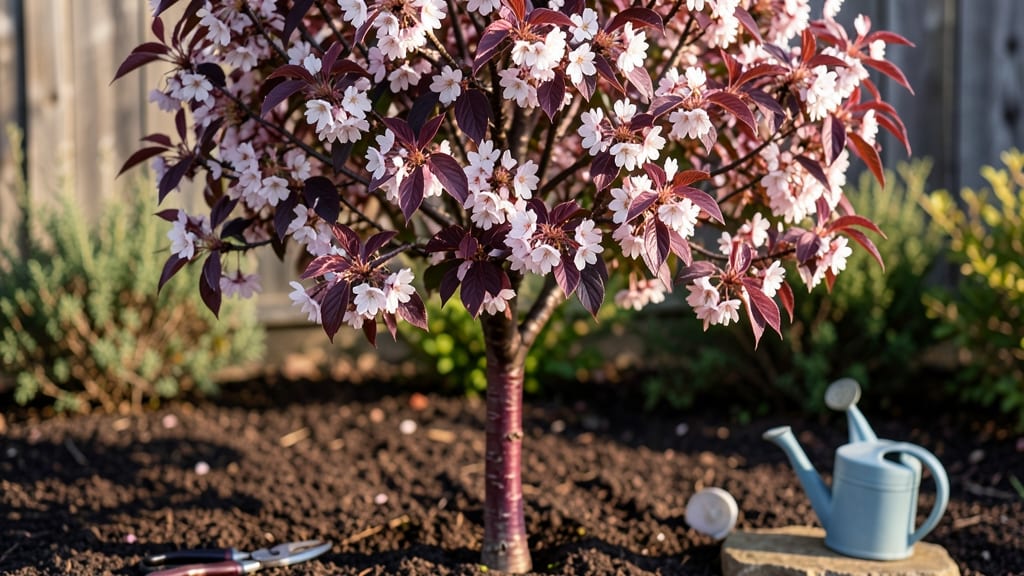
That purple plum tree you’re eyeing could be your yard’s showstopper—flowering purple plum trees burst with spring blooms and deep purple foliage that lasts all season. I planted mine five years ago, and every March, the scent of pinkish-white flowers fills the air before the leaves even emerge.
The key to keeping it vibrant? Pruning at the right time, which I learned the hard way after accidentally cutting off next year’s blooms.
This tree thrives in full sun and well-drained soil, but don’t let that intimidate you—it’s tougher than it looks. A sharp pruning saw and a clean pair of loppers are all you need, plus a little patience.
The best time to prune is right after it flowers, when you can see last year’s growth clearly. Just avoid cutting into old wood, or you’ll lose next season’s blossoms. My tree now gets three pruning sessions a year, and the difference in bloom density is night and day.
What you’ll end up with is a tree that looks like a living painting—deep purple leaves that glow in sunlight, followed by clusters of delicate flowers that attract bees by the hundreds. The foliage stays rich all summer, and in fall, the leaves turn a stunning bronze before dropping.
Even the bark has character, with a peeling texture that adds winter interest. With the right care, your tree will become the centerpiece of your landscape, year after year.
Works in zones 5 through 9, though colder climates may need winter protection for young trees. If you’re in a hot, dry area, mulching helps retain moisture without smothering roots. Here’s how to keep it thriving—no green thumb required, just a willingness to learn.
📚 In This Guide
- What you need
- Instructions
- Tips and common mistakes
- Wrapping up and next steps
What you need
- ● Pruning shears: Bypass pruners (for small branches, 3/8"–1" thick)
- ● Loppers: For medium branches (1"–2" thick), with a 4–6 ft. reach
- ● Pruning saw: For thick branches (2"+ thick), with a curved blade for clean cuts
- ● Disinfectant: 70% isopropyl alcohol or 1-part bleach to 9-parts water (to sterilize tools)
- ● Gloves: Heavy-duty, cut-resistant (e.g., mechanics’ or pruning gloves)
- ● Safety glasses: To protect eyes from debris
- ● Ladder or step stool: Sturdy, 8–12 ft. tall (if tree is mature)
- ○ Heavy-duty trash bags: For collecting pruned branches (optional but helpful!)
- ○ Pruning sealant: Tree wound dressing (for large cuts, optional—controversial but some swear by it!)
- ● Marking spray: Fluorescent paint or tape to mark cuts before pruning
- ● Extension pole: For high branches (e.g., 10–15 ft. reach)
- ● Notebook & pen: To sketch the tree’s structure before/after pruning
- ● Knee pads: For comfort if you’re working on the ground
Instructions for pruning a flowering purple plum tree
Here’s how to keep your tree vibrant and blooming beautifully year after year.
Prune in Late Winter Before Bud Break
Timing is everything with purple plum trees—prune when the tree is still dormant, typically in late February or early March, just before buds swell. This ensures you remove dead wood without cutting off next season’s flowers. I always check for buds first; if you see even a tiny hint of green, wait a few more days.
Start by removing any dead, diseased, or crossing branches first. These are easy to spot—they’re brown, brittle, or growing inward. Use clean, sharp pruning shears to make smooth cuts just outside the branch collar, the swollen area where the branch meets the trunk. This prevents wounds from healing poorly and invites rot.
Thin Out Overcrowded Branches
Next, focus on thinning the canopy to improve airflow and sunlight penetration. Look for branches that rub against each other or grow too close together—these compete for resources and can lead to weak blooms. Aim to remove about 20-30% of the tree’s total branches, but never take more than one-third in a single year.
Start from the outer edges and work your way in. Each cut should remove a branch back to its point of origin or a side branch. Avoid "heading back" (cutting back to a bud or lateral branch), as this encourages dense, leggy growth. Instead, prune to open up the tree’s structure so light reaches all the way to the center.
Shape for Balance and Bloom Health
Now, refine the tree’s shape to encourage strong blooms. Purple plum trees naturally grow in an open vase shape, so I focus on maintaining that form. Remove any branches growing straight upward—they’re called "water sprouts" and drain energy from flowering. Also, trim back any suckers (shoots growing from the base or roots) to redirect energy to the main canopy.
Pay attention to the tree’s natural growth pattern. If one side looks heavier, prune slightly more on that side to restore balance. Avoid over-pruning the top; this can shift the tree’s center of gravity and make it unstable. Step back occasionally to visualize the tree’s silhouette—you want an open, airy structure that lets sunlight reach every branch.
Clean Up and Monitor for Recovery
After pruning, gather all the clippings and dispose of them properly. Never leave them on the ground, as they can harbor pests or diseases. I like to burn or bag them immediately to prevent reinfestation. Once the tree is pruned, give it a light watering to help it recover, especially if the weather is dry.
Watch the tree closely over the next few weeks. Healthy growth will show up as fresh green leaves and new shoots where you made cuts. If you see yellowing leaves or oozing sap at the pruning sites, that’s a sign of stress—just keep the tree well-watered and avoid pruning again until next winter. With proper care, your purple plum tree will reward you with stunning spring blooms and lush foliage all season long.
Tips & tricks for pruning a flowering purple plum tree
A few strategic approaches will help you prune like a seasoned gardener and keep your purple plum tree thriving for years.
Timing is Non-Negotiable: The late February to early March window is critical because it ensures you're pruning while the tree is still dormant. If you miss this timing, you risk cutting off next year's flower buds that are already forming. I've seen trees bloom poorly after being pruned too late—don't make that mistake. Check for buds daily as you approach this window; if you see even a hint of green, wait a few more days.
Tool Prep Makes All the Difference: Before you start cutting, take 10 minutes to clean and sharpen your pruning shears. Dull blades tear wood instead of making clean cuts, which can lead to poor healing and disease entry points. I like to wipe down my shears with rubbing alcohol between cuts on diseased branches. Also, keep a small bucket of water nearby to dip your shears in occasionally—this prevents sap from gumming up the blades.
Visualize the Tree's Future: Step back frequently to visualize your tree's silhouette. Purple plum trees naturally grow in an open vase shape, so aim to maintain that form. When thinning branches in Step 2, imagine sunlight streaming through the center—this is your goal. I often sketch a rough outline of what I want the tree to look like before making any cuts. This prevents over-pruning and helps maintain that beautiful, airy structure that allows for maximum blooms.
Recovery Care is Just as Important: After pruning, don't just walk away. Give your tree a light watering to help it recover, especially if the weather is dry. I've noticed that trees pruned in dry conditions without follow-up watering often show signs of stress. Monitor the pruning sites for the next few weeks—healthy growth should appear as fresh green leaves and new shoots. If you see yellowing leaves or oozing sap, that's your tree's way of telling you it needs more care, not another pruning session.
Pro Tips for Flowering Purple Plum Tree
- A few strategic approaches will help you prune like a seasoned gardener and keep your purple plum tree thriving for years.
- Timing is Non-Negotiable: The late February to early March window is critical because it ensures you're pruning while the tree is still dormant.
- Tool Prep Makes All the Difference: Before you start cutting, take 10 minutes to clean and sharpen your pruning shears.
Frequently asked questions
Got questions about keeping your flowering purple plum tree stunning year-round? Here are answers to the most common queries—from timing tips to troubleshooting tricks!
When is the best time to prune a flowering purple plum tree?
The ideal window is late winter to early spring (just before buds swell but after the worst frost). Avoid pruning in fall—it can encourage tender new growth that won’t survive winter. For light shaping, you can also prune in summer after flowering, but avoid heavy cuts then.
How often should I prune my purple plum tree?
Prune once a year for maintenance, with an extra light trim in summer if needed to control shape or remove dead blooms. Young trees may need 2–3 years of annual pruning to establish structure, while mature trees thrive with minimal annual upkeep. Focus on removing 10–20% of growth per session to avoid stress.
Why aren’t my purple plum flowers blooming as much as last year?
Over-pruning, nutrient deficiencies, or dormant season stress (like winter dieback) can reduce blooms. Check for:
- Dead/diseased branches (prune them out immediately).
- Soil low in phosphorus (add bone meal in early spring).
- Insufficient sunlight (6+ hours daily is ideal).
Can I prune a flowering purple plum tree in summer?
Yes, but keep it light! Summer pruning (after blooms fade) is great for:
- Removing spent flowers to encourage next year’s blooms.
- Thinning overcrowded branches for airflow.
- Shaping without stressing the tree.
What’s a good alternative if my purple plum tree isn’t thriving?
If your tree struggles with disease, pests, or poor blooms, consider these low-maintenance alternatives:
Tree
Bloom Color
Key Benefit
Japanese Plum (Prunus mume)
Pink/white
Hardier, fragrant blooms, and drought-tolerant.
Ornamental Cherry (Prunus serrulata)
Pink/purple
Vibrant spring color with minimal pruning needs.
Redbud (Cercis canadensis)
Pink/purple
Early spring blooms and adaptable to various climates.
Wrapping up and next steps
Your flowering purple plum tree is a stunning centerpiece that rewards your care with breathtaking blooms—and now you’re equipped to keep it thriving! From mastering the right tools to timing your prunes, every step ensures vibrant, healthy growth season after season. 🌸
Ready to transform your tree into a year-round masterpiece? Start by scheduling your next pruning session—whether it’s shaping for spring blooms or cleaning up after winter. Grab your pruners, dust off your gloves, and give your tree the love it deserves!