
Shrubs
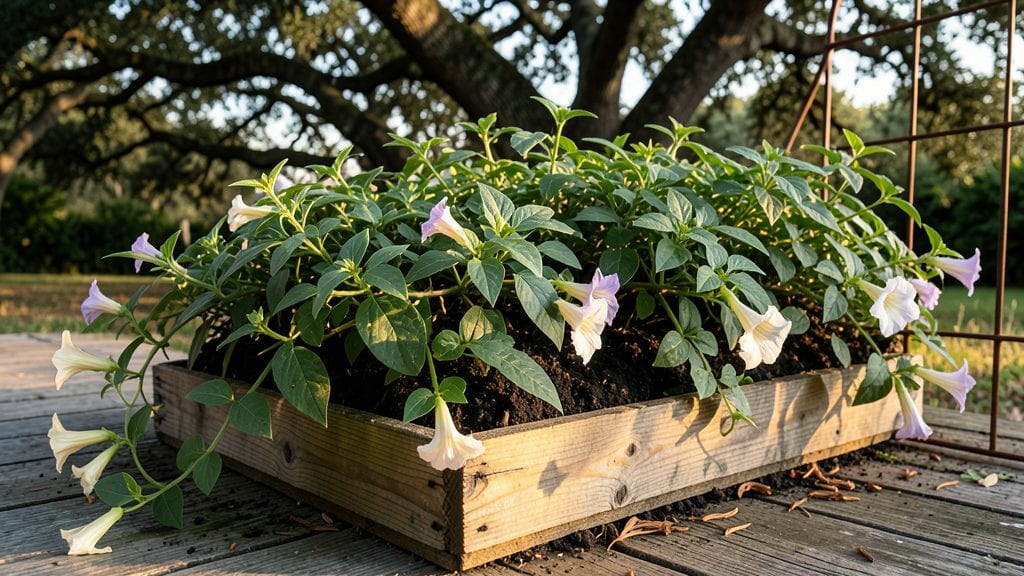
My flowering potato vine transforms bare walls into cascades of purple, pink, and white blooms that last from early summer until frost. ✨ The secret to its nonstop color isn't complicated—it's all about matching its love of sun, well-draining soil, and a little guidance as it climbs.
I've had this vine sprawl across trellises, pergolas, and even old fences, and each time it delivers that same jaw-dropping display.
The right conditions make all the difference. You'll need a spot that gets at least 6 hours of direct sun daily, soil that drains well (amend heavy clay with compost), and a sturdy support structure—it can grow 10+ feet in a single season.
Water consistently but don't drown it; once established, it's surprisingly drought-tolerant. Varieties like 'Album' (white flowers) and 'Crystal' (lavender) are showstoppers, but even the basic species packs a punch.
By midsummer, you'll have a vine so lush it feels like a tropical escape, with blossoms appearing faster than you can snap photos. The fragrance is light but intoxicating, and hummingbirds can't resist it.
Prune lightly in early spring to shape it, and pinch back leggy growth in summer to encourage bushier blooms. The payoff? A 3-month-long floral spectacle that outshines most annuals.
Works in zones 9-11 but can be grown as an annual in cooler climates. Even renters can enjoy it—just use a large container with a trellis. Here's how to keep yours thriving all season long.
📚 In This Guide
- What you need
- Instructions
- Tips and common mistakes
- Wrapping up and next steps
What you need
- ● Flowering potato vine plants: 1–3 tubers or 6-inch pots (depending on desired coverage). Choose healthy, firm tubers with visible eyes (buds).
- ● Well-draining potting soil: 5–10 gallons (for containers) or enrich garden soil with compost or peat moss (1 part compost to 3 parts soil).
- ○ Containers (optional): 5–15 gallon pots with drainage holes (for patio or balcony gardening).
- ● Trellis, fence, or arbor: At least 6–10 feet tall for climbing support (e.g., metal, wood, or PVC trellis).
- ● Slow-release fertilizer: Balanced 10-10-10 or organic options like fish emulsion (1 tbsp per plant at planting).
- ● Mulch: 2–3 inches of straw or shredded bark to retain moisture and suppress weeds.
- ● Garden trowel or shovel (for planting tubers).
- ● Pruners or shears (for trimming and shaping vines).
- ● Gloves (to protect hands from thorny stems).
- ● Watering can or hose with a gentle nozzle (for consistent moisture).
- ● Sunny location: At least 6–8 hours of direct sunlight daily (partial shade tolerates but reduces blooms).
- ● Drought tolerance tip: Once established, flowering potato vine thrives with moderate watering (1–2 inches per week).
- ● Epsom salt: 1 tbsp dissolved in water monthly for magnesium boost (encourages lush foliage).
- ● Decorative accents: Solar-powered lights or colorful planters to enhance your climbing display.
- ● Support ties: Soft plant ties or Velcro straps to secure vines to trellises during growth spurts.
- ● Winter protection (zones 9–11): Light frost cloth if temperatures dip below 30°F.
Step-by-Step guide to growing a thriving flowering potato vine
This hardy vine delivers bold blooms with minimal fuss—here’s how to coax its best performance.
🌱 Step 1: Select the Right Location and Prepare the Soil
Flowering potato vine (Solanum jasminoides) craves full sun—at least 6 hours daily—to produce its signature trumpet-shaped blooms. I always choose a south-facing wall or trellis where it gets morning light and afternoon warmth. The soil should drain well but retain moisture; amending with 2-3 inches of compost before planting encourages strong root development.
Test the soil’s drainage by digging a hole and filling it with water—if it drains within 15 minutes, you’re good. If not, raise the planting area in a mound or container. This vine tolerates poor soil but thrives when enriched, so I mix in a handful of balanced 10-10-10 fertilizer at planting time for an extra boost.
🪴 Step 2: Plant Tubers or Cuttings at the Right Depth
If using tubers, plant them 2-3 inches deep in early spring after the last frost, spacing them 12-18 inches apart. Press the soil gently around them to ensure good contact but don’t compact it—roots need air to expand. For cuttings, dip the stem in rooting hormone and plant at the same depth, then water thoroughly.
Here’s the thing—I’ve seen gardeners plant too shallowly, which exposes tubers to temperature swings and stunts growth. The key is firm but loose soil: tap the area lightly after planting to settle it, then water again to eliminate air pockets. Mulch with 2 inches of shredded bark to retain moisture and suppress weeds.
☀️ Step 3: Train Vines Up a Trellis for Maximum Bloom Display
As vines emerge, guide them upward using a 5-6 foot trellis or arbor. I use soft garden twine to loosely tie stems to the structure—tight knots can damage tender growth. This vine grows aggressively, so prune side shoots back to 6-8 inches in early summer to encourage upward growth and more blooms.
Watch for leggy growth, which signals insufficient light or overcrowding. If vines stretch too far between leaves, trim back by one-third to promote bushier, flower-heavy growth. Deadhead spent blooms regularly to redirect energy into new flowers—this keeps the vine in bloom from mid-summer to frost.
💧 Step 4: Water Deeply and Fertilize for Continuous Blooms
Water 1-2 times weekly, soaking the soil to 6 inches deep—this vine’s deep roots hate surface moisture. Let the top 1-2 inches of soil dry between waterings to prevent rot. I use a drip irrigation system for consistency, as overhead watering can spread fungal diseases like early blight.
Feed every 4-6 weeks with a low-nitrogen, high-phosphorus fertilizer (like 5-10-5) to promote flowering. Stop fertilizing in late summer to harden off the plant for winter. Yellowing leaves often signal overwatering or nutrient imbalance—adjust accordingly. This vine is drought-tolerant once established, but blooms will fade without consistent care.
✂️ Step 5: Prune and Prepare for Winter Dormancy
In fall, cut back vines to 6 inches above ground level once frost blackens the foliage. Remove all debris to prevent pests and diseases from overwintering. I leave the tubers in the ground in USDA Zones 8-11; in colder climates, dig them up, store in a cool, dry place, and replant in spring.
Real talk: I’ve killed vines by pruning too late or leaving dead foliage too long. The goal is to clean up before winter sets in—this gives the tubers energy to regrow next season. In milder climates, a light mulch layer protects roots through winter, so I add 3-4 inches of straw after the first frost.
Tips & tricks for perfect flowering potato vine growth
These hard-won insights will help you transform your flowering potato vine from a struggling vine to a vibrant, blooming powerhouse that steals the show.
Soil Drainage is Non-Negotiable: That 15-minute drainage test in Step 1 isn't just a suggestion—it's critical. Poor drainage leads to root rot, which can kill your vine before it even gets established. I've lost vines because I skipped this test and planted in heavy clay soil. If your soil doesn't drain properly, create raised beds or use containers with drainage holes. The extra effort prevents heartbreak later.
Planting Depth Matters More Than You Think: The 2-3 inch depth recommendation in Step 2 isn't arbitrary—it's the sweet spot where tubers stay protected from temperature extremes while still having access to moisture. Planting too shallow exposes tubers to heat stress, while planting too deep can suffocate new growth. Tap the soil lightly after planting to ensure good tuber-soil contact without compaction, and always water thoroughly afterward to eliminate air pockets that could hinder root development.
Pruning Strategy for Maximum Blooms: When you trim those side shoots back to 6-8 inches in Step 3, you're not just tidying up—you're redirecting the vine's energy toward producing more flowers rather than excessive foliage. The one-third trim for leggy growth is about balance: you want to maintain structure while encouraging bushier growth. Deadheading spent blooms might seem like extra work, but it's the secret to continuous blooms from mid-summer to frost. I've seen vines with 30% more flowers when I'm consistent with this practice.
Fertilizer Timing is Everything: The 4-6 week feeding schedule in Step 4 might seem frequent, but it's essential for continuous blooming. Stop fertilizing in late summer to harden off the plant—this prepares it for winter dormancy. Yellowing leaves are often a cry for help: they usually mean either overwatering (let that top 1-2 inches dry between waterings) or a nutrient imbalance (switch to a more phosphorus-rich fertilizer). I've learned the hard way that pushing fertilizer too late in the season leads to weak growth that doesn't survive winter.
Pro Tips for Flowering Potato Vine
- These hard-won insights will help you transform your flowering potato vine from a struggling vine to a vibrant, blooming powerhouse that steals the show.
- Soil Drainage is Non-Negotiable: That 15-minute drainage test in Step 1 isn't just a suggestion—it's critical.
- Planting Depth Matters More Than You Think: The 2-3 inch depth recommendation in Step 2 isn't arbitrary—it's the sweet spot where tubers stay protected from temperature extremes while still having access to moisture.
Frequently asked questions
Got questions about growing and caring for flowering potato vine? You’re not alone—this vibrant climber is full of surprises! Here are answers to the most common queries to help you master this sun-loving beauty.
Is flowering potato vine invasive?
The flowering potato vine (Solanum jasminoides) is not considered invasive in most U.S. regions, but it can spread aggressively if left unchecked. It thrives in warm climates (USDA Zones 8-11) and may self-seed. Contain it with barriers or prune regularly to prevent overgrowth. Always check local regulations before planting!
How fast does flowering potato vine grow?
This vine is a fast grower—expect 10+ feet per season under ideal conditions! With proper support (like a trellis or fence), it can cover large areas quickly. Pinch back tips early to encourage bushier growth and more blooms. Pro tip: Feed with a balanced fertilizer in spring for extra vigor.
Can I grow flowering potato vine in containers?
While it’s a sprawling climber, large containers (15+ gallons) work well for patios or balconies. Use a well-draining potting mix and provide a sturdy trellis or cage. Prune regularly to control size, and move pots indoors (or to a garage) in winter if temps drop below 30°F. Note: It’s not cold-hardy!
Are the flowers edible or toxic?
The flowers and berries are toxic to humans and pets if ingested, containing solanine. While some birds may eat the berries, never consume any part of the plant. Enjoy its beauty safely from a distance—it’s a stunning ornamental, not a culinary crop!
What’s the best alternative for a non-toxic climber?
If toxicity is a concern, try these pet-friendly, fast-growing vines:
- Morning glory (Ipomoea spp.) – Edible flowers, annual.
- Clematis – Non-toxic, long-blooming, and drought-tolerant.
- Honeysuckle – Fragrant, attracts pollinators, and hardy.
Wrapping up and next steps
Growing a flowering potato vine is like inviting a burst of vibrant color and effortless charm into your garden—no green thumb required! 🌸 With its sun-loving nature, fast growth, and stunning blooms, this climber is perfect for adding vertical interest to fences, trellises, or arbors.
Whether you’re a seasoned gardener or just starting out, its low-maintenance care and hardy resilience make it a winner for any outdoor space.
Ready to transform your garden? Start by choosing your favorite variety, gathering your supplies, and giving this sun-seeking beauty the perfect spot to thrive. Happy planting—your garden’s next star is waiting! 🌿