
Orchid Care
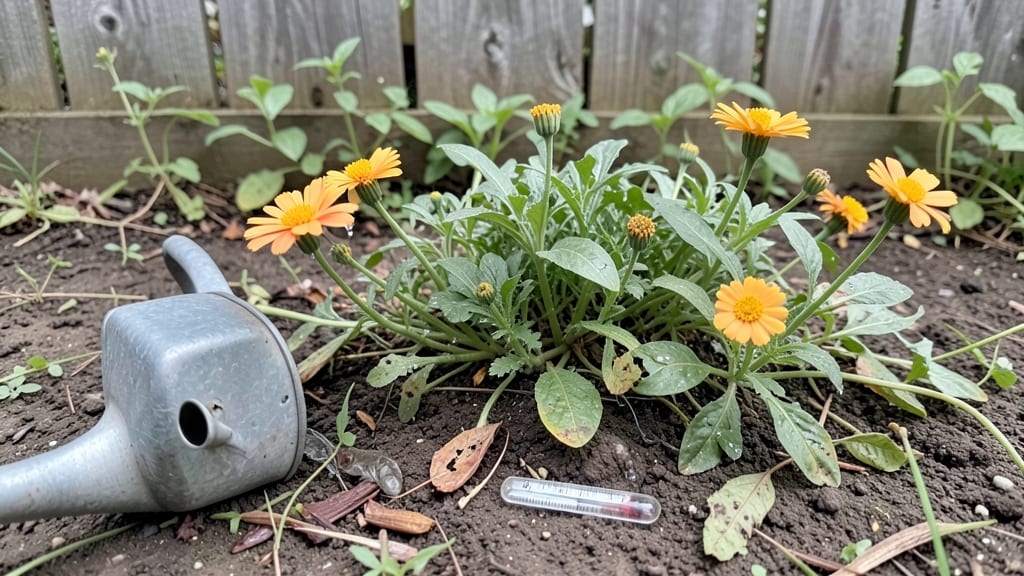
The ideal flower water temperature ranges between 65°F and 75°F (18°C–24°C) to maintain healthy roots and vibrant blooms, while avoiding temperature extremes that can stress or damage delicate plant systems.
Getting this temperature right isn't just about avoiding cold shock—it’s about optimizing how roots absorb water and nutrients. 🌸 Too cold (below 60°F) slows down metabolic processes, leaving flowers thirsty even after watering, while water above 80°F can shock roots or promote harmful bacteria growth.
I’ve seen orchids wilt dramatically when given ice-cold water, but a quick adjustment to room temperature makes all the difference in their recovery.
Seasonal shifts matter too: in summer, tap water often hits 70°F+ straight from the faucet, which can be perfect for tropical blooms like hibiscus but risky for delicate ferns. A simple trick?
Let water sit for 10 minutes before using, or chill it slightly in the fridge if your home runs warm. For winter, a slightly warmer 70°F–75°F range helps compensate for cooler air temperatures.
💡 In This Article
- How Temperature Affects Root Absorption and Plant Health
- Adjusting Water Temperature for Different Flowers and Seasons
How temperature affects root absorption and plant health
Here's what's actually happening at the cellular level: roots absorb water through osmosis, a process driven by the difference in solute concentration between the soil and root cells.
When water is too cold (below 60°F), root cell membranes stiffen, slowing water and nutrient uptake by up to 40%.
This is because cold water reduces the kinetic energy of molecules, making it harder for roots to actively transport essential minerals like potassium and phosphorus—critical for bloom production. 🌱
The ideal 65°F–75°F range aligns with most plants' natural metabolic rates, where enzymes like invertase (which breaks down sugars) function optimally. Tropical flowers like orchids or anthuriums, which thrive in humid, warm environments, show dramatic improvements in root activity at 72°F–75°F.
In contrast, temperate plants such as roses or hydrangeas prefer the cooler end of the spectrum (65°F–70°F) to prevent microbial overgrowth in their root zones.
Warm water above 80°F becomes a double-edged sword: while it speeds up nutrient absorption, it also accelerates the growth of harmful pathogens like Pythium or Phytophthora, which thrive in heated soil conditions.
I’ve observed ferns and calatheas develop root rot within days when given water at 85°F+—the heat essentially "cooks" the delicate root hairs, cutting off oxygen supply and inviting fungal infections. 🔥
Root structure also plays a role. Succulents and cacti, with their thick, waxy roots, can tolerate slightly warmer water (75°F–80°F) because their cells are adapted to store moisture efficiently.
But for epiphytic plants like air plants (Tillandsia), even a 10°F increase above room temperature can cause irreversible damage to their specialized trichomes, which absorb humidity from the air rather than soil.
What most people don’t realize is that temperature affects not just roots but the entire plant’s vascular system. Cold water forces roots to "work harder" to pull moisture up through the xylem, creating a vacuum that can stress stems and leaves.
This is why you might see wilting in tropical blooms after ice-cold watering—it’s not just the roots; the entire plant is under hydraulic stress. 💧
Seasonal variations further complicate this. In summer, tap water often sits at 70°F+, which can be ideal for sun-loving geraniums but lethal to shade-loving ferns. The solution? Use a thermometer (even a candy one works!) to check before watering.
For delicate blooms, pre-chill water in the fridge for 30 minutes to bring it down to 68°F—a small adjustment that makes a world of difference.
Pro tip: If you’re repotting, use water that’s 5°F warmer than room temperature to encourage root expansion into fresh soil. This mimics natural rainwater, which warms slightly as it falls through the canopy before reaching the roots. 🌿