
Landscaping
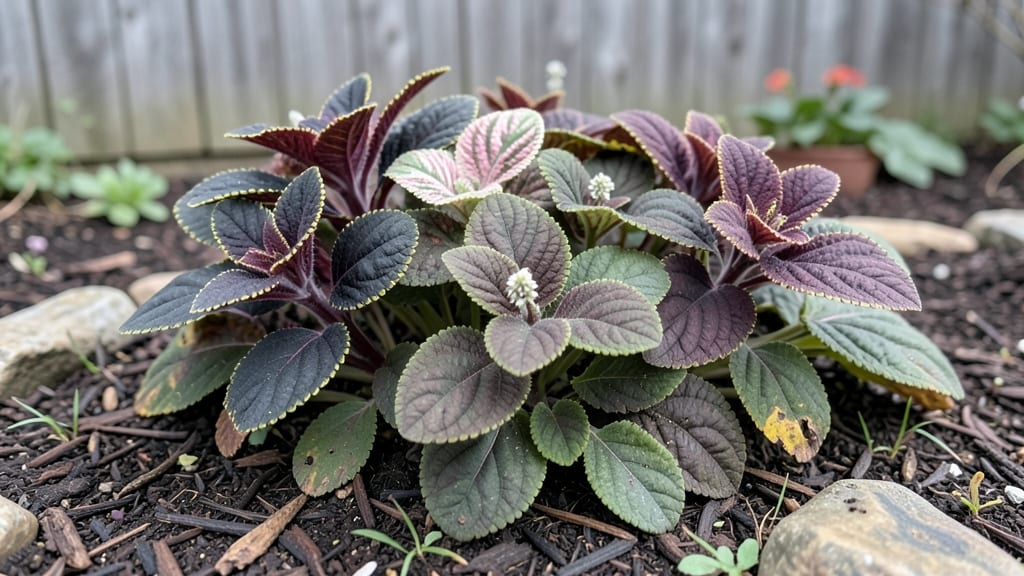
Your flower bed coleus garden design could be the showstopper of your yard—year-round—if you focus on bold patterns that make neighbors do double takes. I learned the hard way that coleus thrives on structure, not just color: too much chaos, and the drama fades.
The secret lies in repeating two or three colors in geometric shapes, with taller plants framing the edges like a living border.
Start with a 6-foot square or rectangular bed for easy maintenance, then divide it into sections using stepping stones or mulch paths. Coleus varieties like 'Black Dragon' and 'Purple Punch' create natural contrast when planted in 12-inch squares, while trailing types like 'Windy City' spill over edges for softness.
Pair them with sun-loving annuals like lantana or dusty miller for height, and you’ll get that layered, high-impact look without overcrowding.
What you’ll end up with is a garden that stays vibrant through fall—coleus colors deepen as temperatures drop—while winter-killed plants can be replaced with spring bulbs or cool-season pansies. The key is consistent moisture and afternoon shade in hot climates, but even that’s forgiving once you establish the right layout.
Think of it as a living canvas where every season brings a new masterpiece.
This approach works for small city yards or sprawling suburban plots—just scale the sections to fit your space. Whether you’re a beginner or a seasoned landscaper, the principles stay the same: bold shapes, strategic spacing, and plants that play well together.
Let’s turn that blank space into a standout feature that keeps giving all year.
📚 In This Guide
- What you need
- Instructions
- Tips and common mistakes
- Wrapping up and next steps
What you need
- ● Coleus plants: 12–25 plants (depending on bed size; mix colors like burgundy, lime green, pink, and deep purple for contrast).
- ○ Annual flowers (optional but recommended): 10–15 Impatiens or Begonias (for soft fillers).
- ● 5–8 Zinnias or Marigolds (for pops of color and pollinator appeal).
- ● Mulch: 2–3 bags of shredded bark or cypress mulch (2–3 inches deep to retain moisture and suppress weeds).
- ● Soil amendments: 1–2 bags of compost (to enrich soil).
- ● 1 cup slow-release fertilizer (10-10-10 or organic option).
- ● Garden tools: Garden trowel or hand shovel.
- ● Pruning shears (for shaping coleus).
- ● Garden gloves (to protect your hands!).
- ● Wheelbarrow or bucket (for mixing soil/amendments).
- ● Layout essentials: Measuring tape (to plan spacing—coleus thrive 12–18 inches apart).
- ● Stakes or spray paint (to mark planting areas).
- ○ Optional but handy: Edging tool (for clean bed borders).
- ● Hose with spray nozzle (for gentle watering).
- ● Garden kneeler (for comfort during planting).
Instructions for crafting a striking coleus flower bed design
Here’s how to create a vibrant, low-maintenance coleus garden that thrives all season long.
Plan Your Color and Pattern Layout
Start by sketching your flower bed design on paper, using the 4 sections you’re working with. Coleus thrives in bold patterns, so group plants by color intensity—deep purples and reds together, bright yellows and oranges in another, and soft pinks or greens in the remaining areas. I like to create geometric shapes like triangles or rectangles for a modern look, but freeform swirls also work beautifully.
Measure each section to ensure even spacing. Coleus plants should sit 12-18 inches apart to allow airflow and prevent overcrowding. If your bed has uneven edges, use a string line and stakes to create straight borders before planting. This ensures a polished, professional finish that makes the colors pop even more.
Prepare the Soil for Optimal Growth
Loosen the soil in each section to a depth of 6-8 inches, breaking up any compacted areas with a garden fork. Coleus prefers well-draining soil rich in organic matter, so mix in 3 gallons of compost evenly across the bed. If your soil is heavy clay, add 2 gallons of perlite or coarse sand to improve drainage—coleus roots rot quickly in soggy conditions.
Level the soil surface with a rake, creating a smooth, even plane. Press down lightly to remove air pockets, but don’t compact it too much—coleus roots need room to spread. Water the prepared bed thoroughly until the soil is moist 6 inches deep, then let it drain before planting. This step ensures your coleus plants establish strong roots right away.
Plant Coleus in Staggered Rows for Depth
Dig small holes 12-18 inches apart, just deep enough to accommodate the root balls of your coleus plants. Remove each plant from its container and gently tease the roots apart if they’re circling tightly—this encourages outward growth. Place the plant in the hole so the top of the root ball sits just below soil level to prevent stem rot.
Fill the hole with soil, pressing lightly around the base to eliminate air gaps. I like to plant in staggered rows rather than straight lines—this creates a natural, layered look that adds visual interest. Water each newly planted coleus deeply to settle the soil and remove any air pockets. Mulch the bed with 1 inch of shredded bark to retain moisture and suppress weeds.
Arrange Accent Plants for Contrast and Texture
To make your coleus garden truly stand out, add a few low-growing annuals like sweet potato vine or creeping Jenny in between the coleus plants. These fill gaps and provide texture contrast. Place them 6-8 inches apart, tucking them into the open spaces where coleus leaves might not fully cover the soil.
For height variation, add 1-2 small ornamental grasses or dwarf ferns at the back of each section. These add movement and balance the bold colors of the coleus. Water everything lightly after planting to help the accents settle in. This step ensures your design isn’t just colorful but also dynamic and layered.
Maintain with Strategic Watering and Pruning
Water your coleus bed 2-3 times per week, aiming for 1 inch of water per session. Coleus loves moisture but hates soggy roots, so always water at the base rather than overhead. Check the soil 1 inch below the surface—if it’s dry, it’s time to water. In hot climates, you may need to water daily, but adjust based on rainfall.
Trim leggy stems or overgrown leaves every 4-6 weeks to encourage bushier growth. Pinch back the tips of new growth to promote branching. Deadhead any spent flowers promptly—they drain energy from the foliage. With this care, your coleus garden will stay vibrant and full all season long.
Tips & tricks for creating a stunning coleus flower bed
A few key strategies can transform your coleus garden from ordinary to extraordinary, ensuring vibrant colors and healthy plants all season long.
Color Blocking Secrets: When planning your layout in Step 1, consider using a color wheel to create visual harmony. Place complementary colors like deep purples next to bright yellows to make each shade pop even more. I’ve found that creating a focal point with a single bold color—like a striking red coleus surrounded by softer greens—draws the eye and adds drama to the design.
Soil Preparation Pro Tip: In Step 2, if your soil is particularly heavy clay, consider mixing in 1 gallon of coconut coir along with the perlite for even better moisture retention and aeration. This helps prevent the soggy conditions that can lead to root rot, while still providing the well-draining environment coleus loves. Test your soil’s moisture level by squeezing a handful—it should hold together but not be dripping wet.
Planting Technique: For Step 3, when arranging your staggered rows, consider planting slightly larger coleus plants at the back of each section. This creates an instant sense of depth and prevents the smaller plants from being hidden behind taller varieties. The 12-18 inch spacing is perfect for allowing each plant to show off its foliage without competing for space.
Accent Plant Placement: In Step 4, when adding your accent plants, think about their growth habits. Place fast-spreading varieties like sweet potato vine toward the edges of sections where they can trail over the bed’s borders. This creates a natural, flowing transition between your coleus sections and the surrounding landscape.
Pro Tips for Flower Bed Coleus Garden Design
- A few key strategies can transform your coleus garden from ordinary to extraordinary, ensuring vibrant colors and healthy plants all season long.
- Color Blocking Secrets: When planning your layout in Step 1, consider using a color wheel to create visual harmony.
- Soil Preparation Pro Tip: In Step 2, if your soil is particularly heavy clay, consider mixing in 1 gallon of coconut coir along with the perlite for even better moisture retention and aeration.
Frequently asked questions
Got questions about creating a show-stopping coleus flower bed? You’re not alone!
Here are answers to the most common queries—from timing and spacing to troubleshooting—so you can design with confidence.
When is the best time to plant coleus in a flower bed?
Coleus thrives in warm soil, so wait until after the last frost (typically late spring) in cooler climates. In warmer zones (USDA 9-11), you can plant as early as March or April. Avoid planting in hot summer heat—coleus prefers gentle, consistent temperatures (60–75°F).
How much space should I leave between coleus plants?
For a lush, full look, space coleus 12–18 inches apart in flower beds. If using them as edging or borders, reduce spacing to 8–12 inches. Overcrowding leads to poor airflow (fungus risk) and stunted growth. Pro tip: Mix heights—tall varieties (like ‘Black Dragon’) in back, compact types (like ‘Wino Red’) up front!
Can I mix coleus with other plants in the flower bed?
Absolutely!
Coleus pairs beautifully with low-maintenance companions like:
- Ferns (for texture and shade tolerance)
- Impatiens (softens bold coleus colors)
- Caladiums (adds tropical flair)
- Dwarf ornamental grasses (for movement)
Why are my coleus leaves turning yellow or crispy?
Yellowing leaves often signal overwatering or poor drainage, while crispy edges mean underwatering or sunburn. Check these fixes:
- Water deeply 1–2x/week (soil should stay moist but not soggy).
- Move to partial shade if leaves scorch in afternoon sun.
- Fertilize lightly with balanced 10-10-10 in spring/summer.
How do I keep coleus looking fresh all season?
Coleus is low-maintenance but loves a little _TLC_:
- Pinch back leggy stems in early summer to encourage bushiness.
- Deadhead spent blooms (if any appear) to redirect energy to foliage.
- Rotate pots (if container-grown) weekly for even sunlight.
- Mulch with shredded bark to retain moisture and suppress weeds.
Wrapping up and next steps
Transforming your flower bed with coleus isn’t just about adding color—it’s about creating a statement that thrives all season long! 🌿 From bold geometric patterns to lush, layered textures, these versatile plants let your creativity shine while demanding minimal fuss.
Whether you’re a seasoned gardener or just starting, the key is to experiment with contrast, height, and placement—and don’t forget to mix in complementary blooms for extra wow factor.
Ready to take the plunge? Grab your gloves, sketch a rough layout, and start small—even a single vibrant patch of coleus can elevate your space. Check out our step-by-step planting guide to turn your vision into reality today!