
Flowers
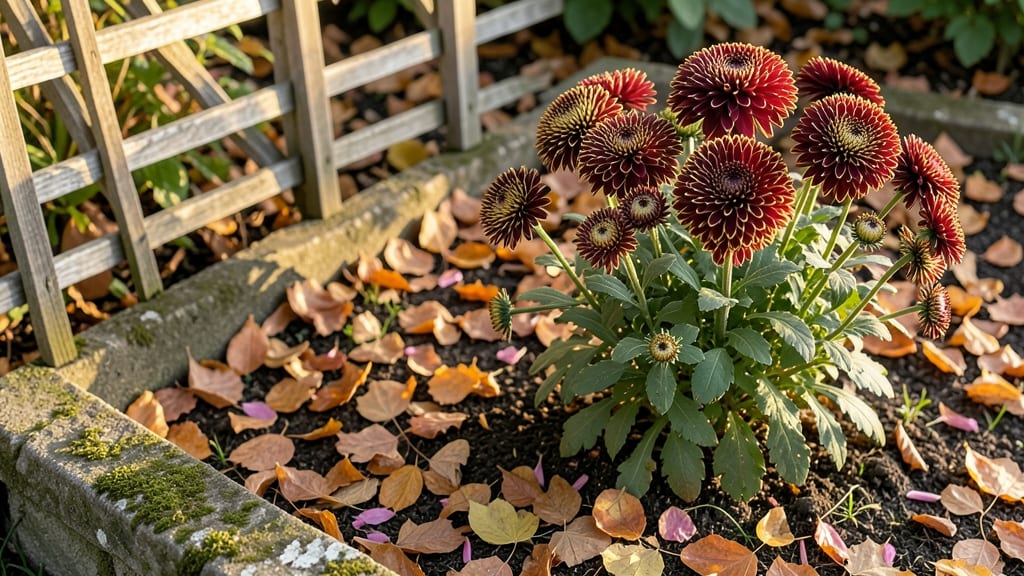
Fall flower beds transform your yard into a jewel-toned masterpiece when you layer frost-resistant plants like mums, asters, and ornamental kale. 🌿 I remember my first autumn garden—it lasted until December because I planted the right combination of hardy perennials and cool-season annuals.
The key is starting early enough to let roots establish before the ground freezes.
You’ll need a mix of heights: tall grasses like fountain grass, mid-height shrubs like butterfly bush, and low-growing annuals like pansies for texture. Most plants thrive when installed by early October, giving them 4-6 weeks to settle before hard frost.
Mulch helps protect roots, and a drip irrigation system keeps soil moist without overwatering.
By November, your beds will burst with deep reds, golden yellows, and burgundy hues that outshine any summer display. The fragrance of Russian sage and the velvety leaves of heuchera add sensory depth, while late-blooming asters attract bees until the first snow. This isn’t just a garden—it’s a seasonal statement.
Works in zones 4 through 9, with adjustments for early frost areas (use extra mulch or cold frames). The same principles apply to containers, window boxes, or even small balcony planters. Let’s design yours!
📚 In This Guide
- What you need
- Instructions
- Tips and common mistakes
- Wrapping up and next steps
What you need
- ● Soil & Amendments: 60% well-draining potting mix (for containers) or native topsoil (for in-ground beds)
- ● 20% compost (for nutrients)
- ● 10% perlite or coarse sand (to improve drainage)
- ● Fall-Blooming Flowers: Choose 3–5 varieties for texture/color contrast (e.g., mums, asters, sedum, ornamental kale, or pansies). Aim for 3–5 plants per square foot.
- ● Mulch: Shredded bark or straw (2–3 inches thick) to protect roots from frost.
- ● Digging Tools: Garden trowel (for containers)
- ● Garden fork or spade (for in-ground beds)
- ● Prep Supplies: Garden gloves (1 pair)
- ● Measuring tape (for spacing)
- ● Watering can or hose (with adjustable nozzle)
- ○ Optional (But Helpful!) Extras: Edging tool (for clean bed lines)
- ● Slow-release fertilizer (e.g., Osmocote)
- ● Decorative stones or bark chips (for finishing touches)
- ● Sunlight assessment: Note your bed’s sun exposure (full sun, partial shade, or full shade)—this dictates plant choices!
- ● Drainage check: Ensure no standing water after rain (especially for containers).
- ● Weather prep: Plan for first frost dates in your zone to time plantings.
Instructions for designing fall flower beds that last through frost
Here’s how to create a seasonal showstopper that blooms until winter’s first chill.
🌱 Step 1: Clear and Prepare the Planting Area
Remove any existing plants, weeds, or debris from the bed to give new roots room to establish. Use a garden fork to loosen the soil to a depth of 6-8 inches, breaking up compacted layers. This ensures roots can spread freely before frost sets in.
Spread the 3 cubic feet of compost evenly over the bed and work it into the top 4 inches of soil. This boosts fertility and improves drainage—critical for fall blooms that need to store nutrients for winter. Avoid garden soil; it’s too dense and may harbor diseases that weaken fall plants.
🪴 Step 2: Plan Your Layered Planting Design
Sketch a rough layout dividing the bed into three layers: tall backrow plants (24-36 inches), mid-height fillers (12-24 inches), and low-growing ground covers (under 12 inches). This creates depth and prevents leggy growth that flops in autumn winds.
For your 4 fall-blooming perennials and 12 annuals, group them by height and sun needs. Place sun-lovers like mums and asters at the back, while shade-tolerant heucheras and pansies go toward the front. Leave 12-18 inches between each plant for airflow—crowding leads to mildew before frost.
🌿 Step 3: Plant Perennials and Larger Annuals
Dig holes twice as wide as the root ball but only as deep. Position each plant so the top of the root ball sits level with the soil surface—burying stems too deep invites rot. Gently tease out roots if they’re circling and place the plant in the hole.
Fill around the roots with soil, pressing lightly to remove air pockets. Water deeply until moisture reaches 6 inches down, then add a 2-inch layer of mulch (using the 1 bag of shredded bark) to retain heat and moisture. Avoid mulching too close to stems—keep it 2 inches away to prevent rot.
✂️ Step 4: Fill Gaps With Smaller Annuals and Edging
Use the remaining 8 annuals to fill spaces between perennials, creating a seamless transition. Plant them in clusters of 3-5 for a natural look, spacing them 6-12 inches apart depending on their mature size. Water lightly after planting to settle the soil.
Edge the bed with ornamental grass (using the 3 plants) along the perimeter. These add texture and movement while keeping mulch contained. Trim any overgrown grass from previous seasons to give your new design clean lines.
☀️ Step 5: Maintain Through Fall’s Final Blooms
Water deeply once a week unless rainfall provides 1 inch or more. In late fall, reduce frequency to every 10-14 days to encourage root hardening before frost. Deadhead spent blooms (like mums) weekly to redirect energy into root growth—not new flowers.
Apply a light layer of mulch (about 1 inch) in late October to insulate roots. Choose shredded bark again—it breaks down slowly, releasing nutrients over winter. Watch for pests like aphids; a soapy water spray (1 tsp dish soap per gallon) keeps them at bay without harming plants.
Tips & tricks for perfect fall flower beds
A few strategic moves will transform your fall garden into a resilient, frost-resistant masterpiece that keeps giving all season long.
Soil Prep Secret: When loosening soil in Step 1, focus on breaking up compacted layers without disturbing the deeper soil structure. I like to use a garden fork to create vertical channels—this improves drainage while preserving the natural soil architecture. The goal is to create a loose, aerated environment that mimics the plant's natural habitat, especially important for fall perennials that need to establish strong roots before winter.
Layering Like a Pro: In Step 2, think of your design like a three-tiered cake. The tall backrow plants (24-36 inches) should be spaced 18-24 inches apart to prevent shading the mid-height fillers (12-24 inches) behind them. I always place my sun-loving mums at the back—this ensures they get maximum light while still providing a dramatic backdrop. Pro tip: Use a string line to create perfect curves when arranging your taller plants.
Planting Precision: Step 3's level-with-the-soil rule is non-negotiable. I've buried stems too deep too many times, and it always leads to rot. Use a small wooden stake to mark the soil level before planting—this gives you a reference point when positioning your plants. For the 2-inch mulch layer, I like to create a small well around each plant before adding mulch to keep it properly distanced from stems.
Frost-Resistant Finishing: When adding that final 1-inch mulch layer in late October, focus on the edges of your bed first. This creates a thermal barrier that protects the most vulnerable plants from temperature fluctuations. I also recommend adding a layer of straw mulch (optional) over the shredded bark—it provides extra insulation without compacting like leaves might.
Pro Tips for Fall Flower Beds
- A few strategic moves will transform your fall garden into a resilient, frost-resistant masterpiece that keeps giving all season long.
- Soil Prep Secret: When loosening soil in Step 1, focus on breaking up compacted layers without disturbing the deeper soil structure.
- Layering Like a Pro: In Step 2, think of your design like a three-tiered cake.
Frequently asked questions
Got questions about creating stunning fall flower beds that last through the season? You’re not alone! Here are answers to the most common queries to help you plan like a pro.
When is the best time to plant fall flower beds?
For most regions, late summer to early fall (August–October) is ideal. This gives plants time to establish roots before winter. Pro tip: Check your USDA hardiness zone—cool-season flowers like pansies and mums thrive when planted 6–8 weeks before the first frost.
Will fall flowers survive light frosts?
Many fall bloomers, such as chrysanthemums and aster, are frost-tolerant but may wilt temporarily. Hardy perennials like sedum and heuchera often bounce back. Mulch lightly (1–2 inches) to protect roots without trapping moisture.
Are there budget-friendly alternatives to expensive annuals?
Swap pricey annuals for perennials (e.g., Russian sage, black-eyed Susan) or bulbs (e.g., tulips, daffodils). Local nurseries often sell flats of perennials for half the cost of annuals—plus, they return yearly!
How do I keep pests away from my fall flower beds?
Prevent pests with neem oil or diatomaceous earth for slugs/snails. Pro tip: Plant marigolds or garlic nearby—they repel aphids and deer naturally. Avoid overwatering, which attracts fungal issues like powdery mildew.
Can I add fall flowers to an existing garden?
Yes! Remove spent summer plants, loosen soil, and tuck in fall favorites like pansies or ornamental kale between perennials. Layer heights (tall in back, short in front) for a polished look. Just ensure new plants get consistent water until roots establish.
Wrapping up and next steps
Creating stunning fall flower beds is all about embracing the season’s natural charm while preparing for winter’s quiet beauty.
With the right plants, layered textures, and a touch of seasonal flair, your garden can shine even as temperatures drop. Don’t wait—start small, experiment with colors, and let your outdoor space tell a story through every petal and leaf!
🌿 Your Next Step: Plan & Plant!
Ready to transform your garden? Sketch a simple design, gather your materials, and dive in! Whether you’re a beginner or a seasoned gardener, fall flower beds offer endless creativity—so grab your gloves and make it happen! 🌼✨