
Shrubs
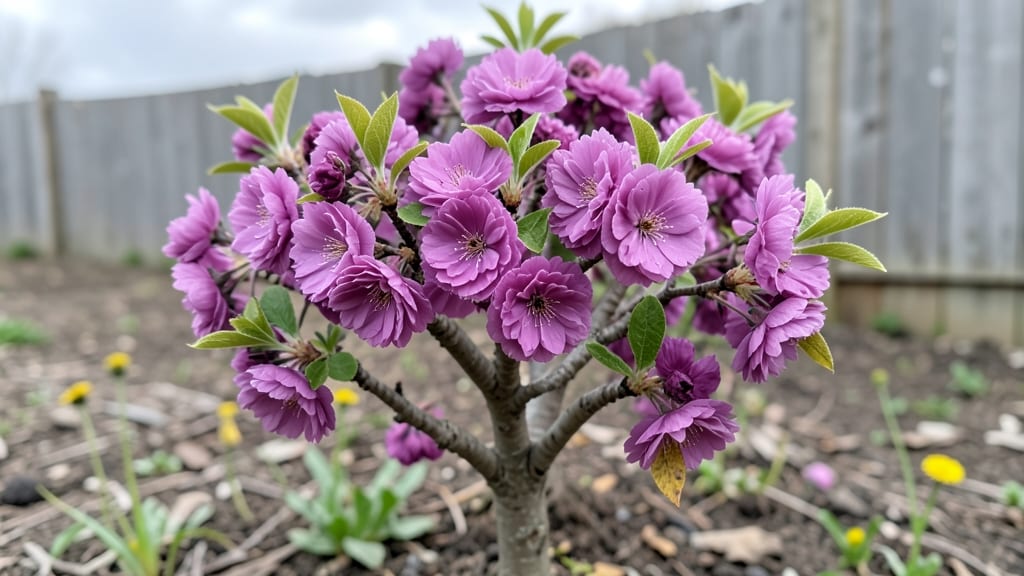
Double flowering plum trees turn spring into a fragrant, jewel-toned spectacle that makes neighbors do double takes. 🌸 I planted mine last April, and by May, the branches were heavy with layers of blossoms—pink, white, and everything in between—while the scent of almonds filled the air for weeks.
This isn’t just a pretty tree; it’s a showstopper that thrives in zones 5 through 8, where cold winters and hot summers won’t phase it.
The secret to their dramatic displays starts with the right spot: full sun for at least six hours a day and well-draining soil that won’t let roots sit soggy.
Most people overlook soil prep, but amending with compost before planting makes all the difference—my tree’s second year blooms were even more abundant. Water deeply once a week after planting, then taper off as roots establish, but never let the soil dry out completely during flowering season.
By late summer, you’ll notice new growth that sets the stage for next spring’s performance. Prune lightly in late winter to shape the tree and remove dead wood, but avoid heavy cuts—these trees bloom on old wood, so less is more.
A balanced fertilizer in early spring keeps the tree energized, and a layer of mulch helps retain moisture while keeping weeds at bay. The result? A tree that rewards patience with years of effortless beauty.
Watch for scale insects or borers, which occasionally target stressed trees, but a strong, healthy specimen rarely has issues. If you live in a humid climate, keep an eye out for fungal diseases—early removal of affected branches is key.
With proper care, your double flowering plum will become the star of your landscape, year after year.
📚 In This Guide
- What you need
- Instructions
- Tips and common mistakes
- Wrapping up and next steps
What you need
- ● Double flowering plum tree: 1–3 bare-root saplings (Zone 5–8 hardy varieties like Prunus cerasifera ‘New Dawn’ or ‘Kwanzan’)
- ● OR 1–2 container-grown plants (5–7 gallon pots, well-draining soil)
- ● Soil: 1–2 cubic yards of well-draining, slightly acidic soil (pH 6.0–7.0), amended with: Compost (5–10 gallons)
- ● Sand or perlite (1–2 bags, 40 lbs each) for drainage
- ● Fertilizer: Balanced, slow-release fertilizer (10-10-10 or 20-20-20, 5–10 lbs)
- ○ Optional: Organic options like bone meal (1 lb) or worm castings (2–3 lbs)
- ● Shovel or spade (for digging)
- ● Garden trowel (for precision planting)
- ● Pruning shears (sterilized, for shaping)
- ● Wheelbarrow or bucket (for mixing soil)
- ● Watering can or hose (with gentle spray nozzle)
- ○ Optional: Mulch (2–3 bags of pine bark or shredded leaves, 2–3 cubic feet)
- ● Sunny planting site (full sun, 6+ hours/day)
- ● Protection from strong winds (plant near a fence or wall if needed)
- ● Access to water (drip irrigation or consistent hose access)
- ● Pro tip: 💡 Test your soil’s drainage—plums hate soggy roots!
Step-by-step guide to planting double flowering plum trees
Here's how to plant these fragrant beauties for a stunning spring display every year.
🌱 Step 1: Choose the Right Location and Timing
Double flowering plums thrive in full sun—pick a spot that gets at least 6 hours of direct sunlight daily. They need well-draining soil, so avoid low spots where water pools. I always test drainage by digging a 12-inch deep hole first and filling it with water. If it drains in under an hour, the site is perfect.
Plant in late fall or early spring when soil temperatures are cool but not frozen. This gives roots time to establish before summer heat. Avoid planting in extreme heat—roots can dry out before they adjust. You'll know you've chosen well when the area has good airflow but protection from strong winds.
🪴 Step 2: Prepare the Planting Hole
Dig a hole twice as wide as the root ball but only as deep—sitting the tree too deep suffocates the roots. Loosen the sides of the hole with a shovel to help roots spread into surrounding soil. I always mix the native soil with a 50/50 blend of compost to improve fertility and drainage.
Place the tree in the hole so the top of the root ball sits 1-2 inches above ground level. This prevents soil from settling later and drowning the trunk. Gently remove any plastic pots or burlap if present—roots need to breathe immediately. Tap the sides of the hole lightly to eliminate air pockets around the roots.
💧 Step 3: Water and Mulch Thoroughly
Fill the hole with water and let it drain completely. This preps the soil for planting and helps settle the root ball. After draining, add back the soil-compost mix until the hole is ¾ full, then place the tree in position. Fill the remaining space, pressing gently to remove air gaps but not compacting too tightly.
Water again until the soil is evenly moist, then apply 2-3 inches of mulch around the base, keeping it 6 inches away from the trunk. Use organic mulch like wood chips or shredded bark. This conserves moisture, regulates soil temperature, and prevents weed competition. Water deeply one final time to settle everything in place.
☀️ Step 4: Support and Protect New Growth
Stake the tree only if needed—young plums can handle light winds, but a temporary stake prevents leaning in exposed areas. I use 2 stakes per tree, tying the trunk loosely with soft fabric to avoid girdling. Prune any damaged branches immediately, and remove any suckers growing from the base—they drain energy from the main trunk.
Water deeply once a week during the first growing season, aiming for 1-1.5 gallons per watering when soil feels dry 2 inches below the surface. Double flowering plums are drought-tolerant once established, but young trees need consistent moisture. You'll see new growth emerge within 4-6 weeks if conditions are right.
Tips & tricks for perfect double flowering plum planting
A few key tricks will help your double flowering plums thrive and reward you with stunning spring blooms for years to come.
Sunlight Secret: Those 6 hours of direct sunlight are non-negotiable for double flowering plums. I've planted them in partial shade before, and while they survive, the blooms become sparse and less vibrant. If your yard only gets 4-5 hours of sun, consider planting them near a south-facing wall or fence that reflects sunlight. Early morning sun is more forgiving than harsh afternoon heat, so position the tree to catch those cooler morning rays first.
Root Ball Placement: The 1-2 inches above ground level rule for the root ball is crucial—it prevents what I call "root suffocation." Too deep, and the roots can't breathe; too shallow, and the trunk becomes vulnerable to temperature swings. To check your depth, use a level or simply hold the tree upright in the hole while someone else marks the ground level on the trunk. This visual cue saves me from having to dig up trees later!
Mulch Magic: That 2-3 inches of mulch isn't just decoration—it's a game-changer for moisture retention and temperature regulation. I always use wood chips because they break down slowly, adding organic matter to the soil. The key is keeping it 6 inches away from the trunk to prevent rot. Think of it as creating a protective donut around your tree rather than a mound against the trunk.
Watering Wisdom: The 1-1.5 gallons per week guideline works perfectly in most climates, but here's what I've learned: water in the morning so the foliage has time to dry before evening. Wet leaves overnight can invite fungal problems. And when you check that 2 inches below the surface for dryness, use a screwdriver or your finger—don't rely on surface moisture, which can be deceiving. You'll notice new growth appearing within 4-6 weeks if you're watering correctly!
Pro Tips for Double Flowering Plum
- A few key tricks will help your double flowering plums thrive and reward you with stunning spring blooms for years to come.
- Sunlight Secret: Those 6 hours of direct sunlight are non-negotiable for double flowering plums.
- Root Ball Placement: The 1-2 inches above ground level rule for the root ball is crucial—it prevents what I call "root suffocation."
Frequently asked questions
Got questions about your double flowering plum? You’re not alone!
Here are the most common queries—plus expert answers to keep your tree thriving.
When is the best time to plant a double flowering plum?
Plant your tree in early spring or fall (3–4 weeks before the first frost). This gives roots time to establish before extreme temperatures. Avoid summer heat or winter cold—both stress young plants and reduce bloom potential. Pro tip: Water deeply after planting to settle soil around roots!
Can double flowering plums handle cold winters?
Yes! These trees thrive in USDA Zones 5–9, with most varieties tolerating temps down to -15°F. For extra protection, mulch the base with 3–4 inches of organic mulch (like wood chips) in late fall. Young trees may need burlap wraps in harsh winters.
Why aren’t my double flowering plums blooming?
Common culprits: over-fertilizing with nitrogen (promotes leaves, not flowers), pruning at the wrong time (never trim after buds form!), or poor sunlight. Ensure full sun (6+ hours/day) and prune in late winter to encourage spring blooms. A balanced 10-10-10 fertilizer in early spring can help!
Are double flowering plums good for pollinators?
Their fragrant, double blooms attract bees, butterflies, and hummingbirds. For extra pollinator appeal, pair with native shrubs like serviceberry or azalea. Just avoid pesticides— healthy blooms = happy pollinators!
How do I prune a double flowering plum to encourage more flowers?
Prune right after flowering (late spring) to avoid cutting off next year’s buds. Remove dead, crossing, or weak branches first, then thin out 1/3 of the oldest wood to improve airflow. Never “top” the tree—this reduces blooms!
What’s a good alternative if my plum tree struggles in my climate?
Try these low-maintenance, fragrant bloomers:
- Kwanzan cherry (Zones 5–8): Similar double blooms, slightly more cold-hardy.
- Japanese quince (Zones 5–8): Fragrant flowers + edible fruit!
- Bradford pear (Zones 5–9): Fast-growing but needs regular pruning.
For heat tolerance, opt for ‘Santa Rosa’ plum (Zones 6–10).
Wrapping up and next steps
Double flowering plum trees are the ultimate spring stars—bursting with vibrant blooms, intoxicating fragrance, and year-round charm! Whether you’re planting one for a stunning landscape centerpiece or simply to enjoy their beauty, these trees deliver big rewards with minimal fuss. 🌸✨
Ready to transform your outdoor space? Start by choosing the right variety for your hardiness zone, then grab your gloves and get planting! With the right care, you’ll be rewarded with a showstopping display that neighbors will envy. Happy gardening!