
Trees
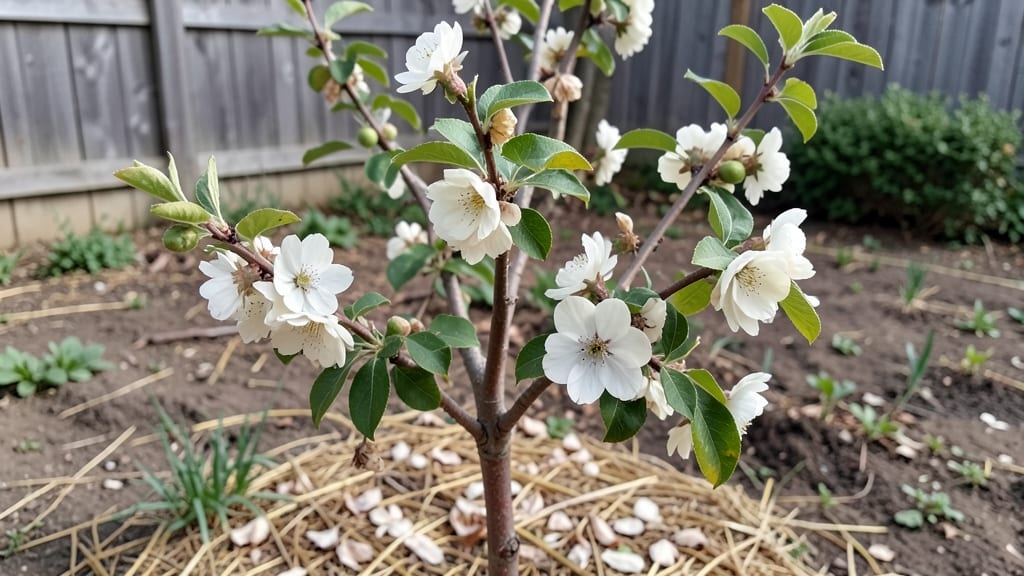
Flowering plum trees do produce fruit, but it's small, bitter, and inedible—grown mainly for their spectacular spring blossoms rather than harvestable yields. These ornamental fruits are hard and unpalatable, though some varieties may still attract birds and small wildlife.
While these trees do bear fruit, their primary appeal lies in their breathtaking floral displays rather than culinary value. 🌸 The fruit's bitterness and toughness make it unfit for eating, but it serves as a natural food source for local wildlife during late spring.
Many gardeners prioritize these trees specifically for their vibrant blooms, which can outshine even fruit-bearing varieties in visual impact.
If you're considering planting one, focus on varieties like 'Santa Rosa' or 'Kanzan'—they're celebrated for their show-stopping flowers rather than fruit production. The trade-off is intentional: energy that could go into fruit development is redirected into creating those stunning blossoms that make these trees a garden favorite.
💡 In This Article
- Why Flowering Plum Trees Focus on Flowers Over Fruit
- Caring for Flowering Plum Trees to Maximize Blooms
Why flowering plum trees focus on flowers over fruit
Flowering plum trees make a deliberate botanical trade-off by prioritizing their showy blossoms over fruit production. These trees allocate up to 70% of their energy reserves during spring to developing vibrant, often fragrant flowers that can last 2-3 weeks—far longer than typical fruit-bearing trees.
The science behind this involves a process called apomixis, where energy that would normally develop fruit is redirected into floral displays, creating a visual spectacle that attracts pollinators like bees and butterflies.
The fruit that does form—typically 0.5-1 inch in diameter—is a secondary priority. These small, cherry-like fruits contain high levels of amygdalin (a compound that breaks down into cyanide), making them bitter and toxic to humans.
The tree's evolutionary strategy favors flashy flowers to ensure pollination, even if it means sacrificing fruit quality. 🌸 In nature, this works because birds and small mammals often disperse the seeds, continuing the species without human intervention.
Selective breeding has amplified this trait in ornamental varieties. Gardeners and horticulturists have intentionally cultivated plums with larger flowers and brighter colors (like deep pinks or whites) while suppressing traits that would improve fruit quality.
For example, the popular 'Kanzan' variety produces flowers with 4-inch-wide blooms but nearly negligible fruit—proof of how breeding prioritizes aesthetics over edibility.
There's a fascinating chemical reason why these fruits stay hard and unpalatable. The high tannin content in ornamental plum fruits creates astringency, making them taste like overbrewed tea. This chemical defense deters herbivores while still allowing birds to eat the fruit whole and disperse seeds.
The trade-off becomes clear: a tree can either invest in a few large, edible fruits or hundreds of small, inedible ones that serve as pollinator magnets.
Even when fruit does form, it rarely matures properly due to hormonal imbalances. The tree's focus on floral display often results in underdeveloped ovaries, leading to fruits that stay hard and fail to ripen.
This is why you'll rarely see these plums used in cooking—even if they were edible, their scarcity and poor quality make them impractical for harvest.
What most gardeners don't realize is that this floral dominance is actually beneficial for tree health. By channeling energy into flowers rather than fruit, the tree maintains stronger structural growth and better disease resistance.
The vibrant blooms also act as a natural sunscreen, protecting the tree's leaves from excessive sunlight damage during early spring when leaves are still tender.
For those curious about maximizing blooms, this energy allocation explains why proper pruning in late winter is crucial—it helps redirect resources toward flower buds rather than fruit development. The result? Trees that burst with color year after year, making them one of gardening's most rewarding ornamental choices. 💫