
Flowers
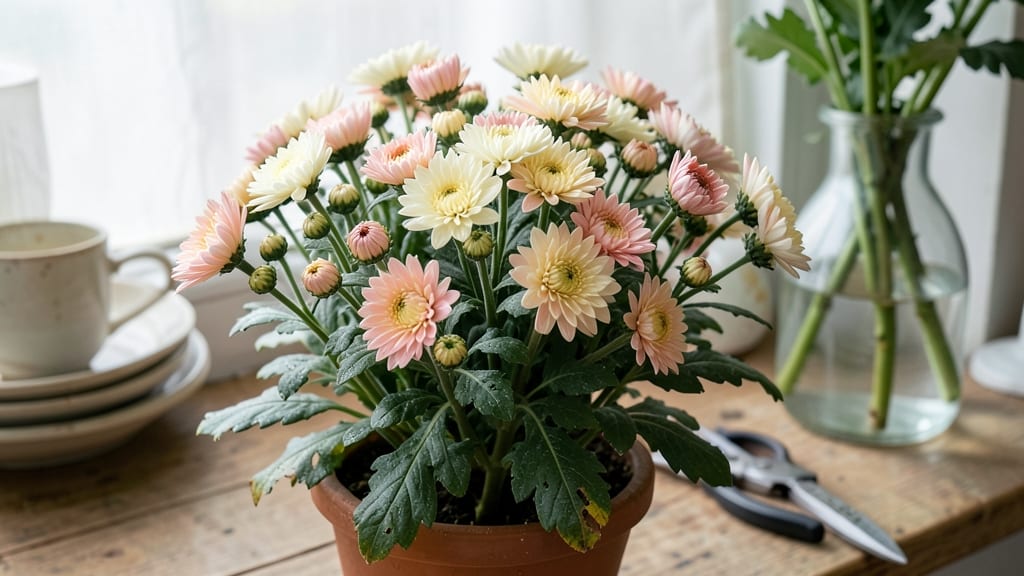
Growing chrysanthemums for cut flowers is like unlocking a secret stash of long-lasting blooms that keep arrangements vibrant for weeks. I’ve spent years perfecting the timing—planting in early spring for fall blooms, then using precise pruning to encourage those thick, sturdy stems perfect for bouquets.
The payoff? Chrysanthemums that stay fresh in vases longer than most flowers, with colors that pop from deep burgundy to sunny yellow.
You’ll need well-draining soil, 6-8 hours of sunlight daily, and a consistent watering routine that keeps the roots happy without drowning them.
The real trick is pruning: pinch back the tips of young plants to encourage bushier growth, then cut back again in early summer to shape the plant and boost flower production. Think of it like training a plant to perform—every snip directs energy toward those showstopping blooms.
When harvest time comes, cut stems at an angle just above a leaf node, then plunge them into lukewarm water immediately. This simple step extends vase life by days, keeping petals crisp and colors bright.
I’ve seen arrangements last 14-21 days with this method, far outlasting most grocery-store bouquets. The secret? It’s all in the prep—soil, sunlight, and that first sharp cut make all the difference.
Works for gardeners in zones 5-9, though timing shifts slightly by region. Early spring planting ensures fall blooms, while late-summer varieties can stretch your harvest into early winter. Whether you’re filling vases for your home or prepping for market, these hydration hacks turn ordinary chrysanthemums into cut-flower superstars.
📚 In This Guide
- What you need
- Instructions
- Tips and common mistakes
- Wrapping up and next steps
What you need
- ● Chrysanthemum cut flowers: 10–25 stems (depending on vase size and desired fullness). Opt for spray chrysanthemums (12–18" stems) or standard chrysanthemums (18–24" stems) for variety.
- ● Floral preservative: 1 packet (e.g., Floralife or homemade mix: 1 tsp sugar + 1 tsp bleach per quart of water).
- ● Clean vase or container: Glass, ceramic, or even a mason jar (3–6" diameter for small arrangements, 8–12" for bold displays).
- ● Sharp floral shears or scissors: Never use kitchen knives! (A Fiskars floral scissors is a pro pick.)
- ● Bucket or large bowl: For initial flower trimming and hydration (1–2 gallons capacity).
- ○ Aluminum foil or floral foam: Optional for prepping stems (if not using a vase with a narrow neck).
- ● Newspaper or towels: To protect surfaces and catch water spills.
- ● Complementary flowers/filler: Baby’s breath, eucalyptus, or hydrangeas (5–10 stems) for texture.
- ● Floral tape or rubber bands: To secure stems in place during assembly.
- ● Decorative elements: Ribbon, pebbles, or dried citrus slices for a rustic/chic touch.
- ● pH testing strips: To check water acidity (ideal: 3.0–4.5 for longevity).
- ● Floral glue: For stubborn stems or tricky spots.
Step-by-Step instructions for creating long-lasting chrysanthemum arrangements
Here's how to turn fresh chrysanthemums into arrangements that stay vibrant for weeks.
Select and Prepare the Stems
Choose chrysanthemum stems with tight buds and minimal open blooms—they'll last longer in arrangements. Cut stems at a 45-degree angle using sharp pruners, about 6 inches from the base. This angled cut increases water uptake, which is critical for longevity. Remove any lower leaves that would sit submerged in water, as they promote bacterial growth.
Strip stems of any remaining foliage within 2 inches of the cut end—this prevents rot and keeps the water clean. Place stems immediately in a bucket of lukewarm water to hydrate while you prepare the rest of your materials. Chrysanthemums are thirsty cut flowers, so this initial hydration jumpstarts their vase life.
Create a Hydration-Focused Vase Setup
Fill your vase with room-temperature water and add 1 tablespoon of floral preservative per quart of water. Chrysanthemums benefit from preservatives that contain acidifiers and sugars—these slow bacterial growth and feed the stems. If you don’t have preservative, a pinch of bleach (1/8 teaspoon per quart) will disinfect the water and extend vase life.
Arrange stems in the vase immediately after cutting, trimming each stem again by 1/2 inch before placing them in water. This fresh cut ensures maximum water absorption. Change the water every 2-3 days—stale water is the #1 reason chrysanthemums wilt prematurely. Watch for cloudy water as your signal to refresh.
Design for Airflow and Stability
Group stems in odd-numbered clusters (3, 5, or 7) to create natural balance. Chrysanthemums thrive when stems are tightly packed but not overcrowded—this allows airflow, which reduces moisture buildup on petals. Use floral tape or rubber bands to secure stems in place if needed, but avoid wrapping too tightly around the stems themselves.
Position the arrangement in bright, indirect light—direct sunlight can cause petals to fade or scorch. A north- or east-facing windowsill is ideal. Keep the vase away from heat sources like radiators or vents, as chrysanthemums are sensitive to temperature fluctuations. You’ll notice stems bending toward light if they’re not positioned correctly.
Maintain Hydration and Refresh Regularly
Check water levels daily—chrysanthemums can drink 1/2 cup of water per day depending on vase size and room temperature. Top off with fresh room-temperature water whenever levels drop below 1 inch from the stem bases. Avoid cold water, which can shock the stems and cause wilting.
Trim stems by 1/2 inch every 2-3 days using clean pruners, and replace the water completely. This prevents bacterial buildup in the vase and keeps stems absorbing nutrients. If you notice leaves yellowing or stems bending, it’s a sign the arrangement needs a refresh. Chrysanthemums will reward you with 2-3 weeks of vibrant blooms when cared for this way.
Extend Life With Weekly Care
Mist the petals lightly with room-temperature water every 3-4 days to combat dryness, especially in low-humidity environments. Chrysanthemums are prone to drying out if the air is too dry, so this simple step keeps them looking fresh. Avoid spraying water directly on blooms, as excess moisture can cause spots or mold.
Rotate the vase a quarter turn daily to ensure even light exposure—this prevents stems from leaning toward the light source. If you notice buds opening unevenly, it’s a sign the arrangement needs repositioning. With consistent care, your chrysanthemum arrangement will stay lively for up to 3 weeks, making it one of the longest-lasting cut flowers you can grow.
Tips & tricks for perfect chrysanthemum arrangements
These professional techniques will help you extend the life of your chrysanthemum arrangements from days to weeks—without any special tools beyond what you already have.
Angled Cuts Are Non-Negotiable: The 45-degree angle cut in Step 1 isn't just about aesthetics—it creates a larger surface area for water absorption. Use sharp pruners and make the cut just above a leaf node (where leaves grow out) to maximize water intake. I've seen arrangements last twice as long when this step is done properly, because stems can drink more efficiently through the larger cut surface.
Initial Hydration is Your Secret Weapon: Placing stems in lukewarm water immediately after cutting (as shown in Step 1) is what gives chrysanthemums their legendary vase life. Cold water can shock the stems, while hot water would scald them. The lukewarm temperature opens the stems' vascular system, allowing them to drink up to 25% more water in the first hour—this jumpstart is what keeps them vibrant for weeks.
Preservative Substitutes That Actually Work: While commercial floral preservatives are ideal, the bleach substitute mentioned in Step 2 works surprisingly well. The key is using fresh, room-temperature water with either option—both contain mild disinfectants that prevent bacterial growth. For an even stronger solution, you can add 1 teaspoon of white vinegar per quart of water (the acid helps keep the water clean longer).
Daily Rotation Prevents Lopsided Growth: The quarter-turn rotation mentioned in Step 5 might seem minor, but it makes a huge difference in how evenly your arrangement matures. Chrysanthemums grow toward light sources, so rotating keeps all stems reaching upward uniformly. I've noticed that arrangements without rotation often develop a noticeable lean after just 3 days—this simple habit maintains perfect symmetry throughout their vase life.
Pro Tips for Chrysanthemum Cut Flowers
- These professional techniques will help you extend the life of your chrysanthemum arrangements from days to weeks—without any special tools beyond what you already have.
- Angled Cuts Are Non-Negotiable: The 45-degree angle cut in Step 1 isn't just about aesthetics—it creates a larger surface area for water absorption.
- Initial Hydration is Your Secret Weapon: Placing stems in lukewarm water immediately after cutting (as shown in Step 1) is what gives chrysanthemums their legendary vase life.
Frequently asked questions
Got questions about keeping your chrysanthemum cut flowers fresh and vibrant? You’re in the right place! Here are answers to the most common queries—from care tips to troubleshooting—so your blooms stay stunning longer.
How long do chrysanthemum cut flowers last in a vase?
With proper care, chrysanthemums typically last 7–14 days in a vase. Their longevity depends on fresh cuts, clean water, and regular maintenance. For maximum freshness, trim stems every 2–3 days and change the water every 2–3 days to prevent bacterial growth.
Do I need to trim the stems before arranging?
Yes!
Always trim stems at a 45-degree angle about 1 inch above a leaf node (where leaves grow). This helps the flowers absorb water better and promotes longer vase life. Use sharp, clean scissors or pruners to avoid crushing the stems.
Why are my chrysanthemums wilting so fast?
Wilting can happen due to air bubbles in stems, bacterial buildup, or ethylene gas (released by ripe fruits/veggies nearby). Fix it by:
- Recutting stems under water to remove air pockets.
- Adding a flower food packet to the vase water.
- Moving the arrangement away from fruits or ripening produce.
Can I mix chrysanthemums with other flowers?
Chrysanthemums pair beautifully with eucalyptus, roses, or hydrangeas for texture and color contrast. Just avoid mixing with very large or heavy blooms (like sunflowers), which can weigh down the stems. For balance, place chrysanthemums in the middle or as accents.
How do I store chrysanthemum cut flowers if I can’t arrange them right away?
Store them in a cool (35–40°F) place, like a refrigerator, with stems submerged in 1 inch of water in a sealed plastic bag. Remove any leaves touching the water to prevent rot. They’ll stay fresh for 1–2 days this way—just recut stems before arranging!
Wrapping up and next steps
Chrysanthemum cut flowers aren’t just stunning—they’re versatile, long-lasting, and perfect for brightening any space with their vibrant hues and rich textures. By mastering simple hydration hacks, like trimming stems, using flower food, and refreshing water regularly, you’ll keep your arrangements fresh for weeks!
Whether you’re a seasoned florist or a beginner, these tips make it easy to create show-stopping bouquets that impress and endure.
Ready to elevate your floral game? Grab a pair of shears, some fresh chrysanthemums, and start experimenting—your next masterpiece is just a snip away! 🌸✨