
Flowers
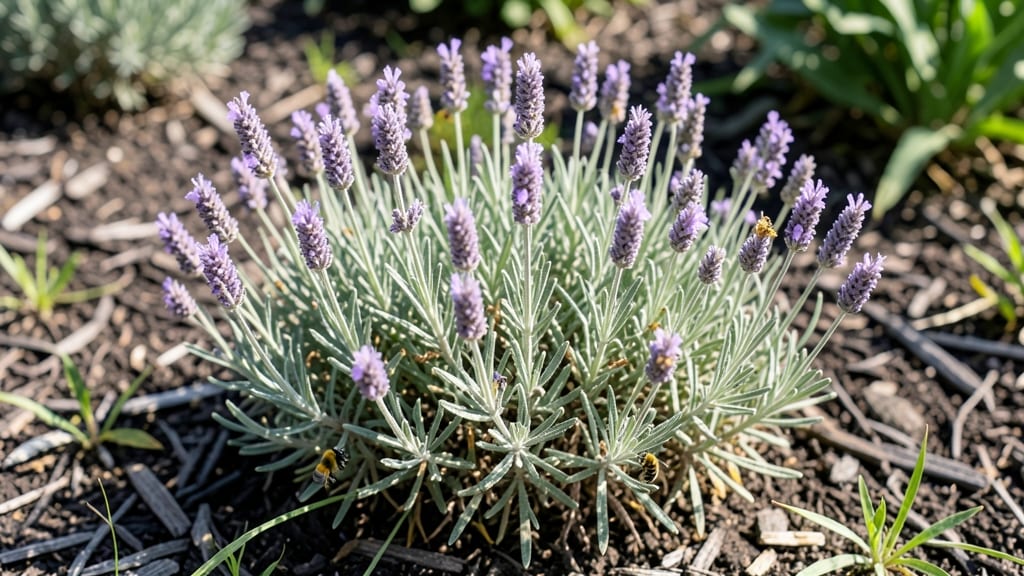
The best flower scents create unforgettable fragrances—jasmine for its velvety sweetness, lavender for soothing herbal depth, gardenia for velvety tropical warmth, and rose for classic romantic allure. Floral designers suggest blending these based on mood or season, whether for bouquets, garden beds, or home fragrance displays.
The right floral combinations can transform any space. 🌸 Jasmine’s intoxicating sweetness works beautifully in summer arrangements, while lavender’s calming notes shine in autumn wreaths. Gardenia’s creamy richness pairs well with citrus for a tropical vibe, and rose’s timeless elegance elevates any occasion.
I’ve found that mixing textures—like pairing velvety roses with spiky statice—adds visual interest while keeping the scent profile balanced.
For maximum impact, plant fragrant flowers near seating areas or windows where breezes can carry their scent. 💛 Companion planting also enhances fragrance—try growing thyme alongside roses to amplify their aroma.
Whether you’re creating a fragrant garden or crafting a signature bouquet, these top scents deliver both beauty and sensory delight.
💡 In This Article
- How Floral Aromas Impact Mood and Garden Ecosystems
- Top Scented Flowers for Gardens and Home Decor
How floral aromas impact mood and garden ecosystems
Floral aromas work their magic through complex chemical compounds called terpenes and esters, which interact directly with our limbic system—the brain region controlling emotions and memory. Take lavender, for example: its primary terpene, linalool, binds to GABA receptors, triggering a calming effect similar to mild sedatives.
Studies show inhaling lavender can reduce cortisol levels by up to 30% within 30 minutes, making it a natural stress reliever. 🌿 Meanwhile, rose oil contains citronellol, which has been linked to increased dopamine production, explaining why its scent is often associated with feelings of love and attraction.
The same compounds that uplift human mood also play crucial ecological roles by attracting pollinators. Bees are particularly drawn to flowers emitting high concentrations of esters—like those in jasmine—because these compounds mimic pheromones that signal food availability.
A 2018 University of Washington study found gardens with diverse fragrant flowers saw 40% more bee activity compared to non-scented plots.
Butterflies, meanwhile, are attracted to spicier scents like those from lilacs, which contain benzaldehyde, a compound that mimics the scent of fermenting fruit—nature’s way of luring them to lay eggs.
Seasonal scent profiles reveal fascinating ecological adaptations. Spring blooms like lilac and peony release citrusy notes from limonene and geraniol to signal to pollinators that food is abundant during early growing seasons.
In contrast, autumn flowers like chrysanthemums emit spicier, earthier aromas from eugenol to attract late-season pollinators before winter dormancy. This seasonal shift isn’t just about timing—it’s a chemical conversation between plants and their pollinators, ensuring survival through biodiversity. 🌼
Understanding these mechanisms helps gardeners create ecosystems that thrive. For instance, planting lavender near roses not only enhances fragrance but also deters pests like aphids, which are repelled by lavender’s camphor-like compounds.
The key is balancing scent profiles: sweet floral notes (like jasmine) attract bees, while herbal scents (like thyme) repel unwanted insects. This synergy creates a self-sustaining garden that’s both beautiful and ecologically functional.
Human applications extend beyond gardens. Home fragrance diffusers using lavender oil have been shown to improve sleep quality by lowering heart rates, while rose-scented products can elevate mood during stressful periods.
The science is clear: these floral aromas aren’t just pleasant—they’re biologically active, shaping both our emotions and the natural world around us. 💫
Most people overlook how scent intensity varies by time of day. Jasmine, for example, releases its strongest fragrance at dawn (when temperatures are cool), while gardenia peaks in the evening as temperatures drop.
This diurnal pattern explains why some flowers smell stronger at specific times—it’s their evolutionary strategy to maximize pollinator visits during optimal conditions.