
Flowers
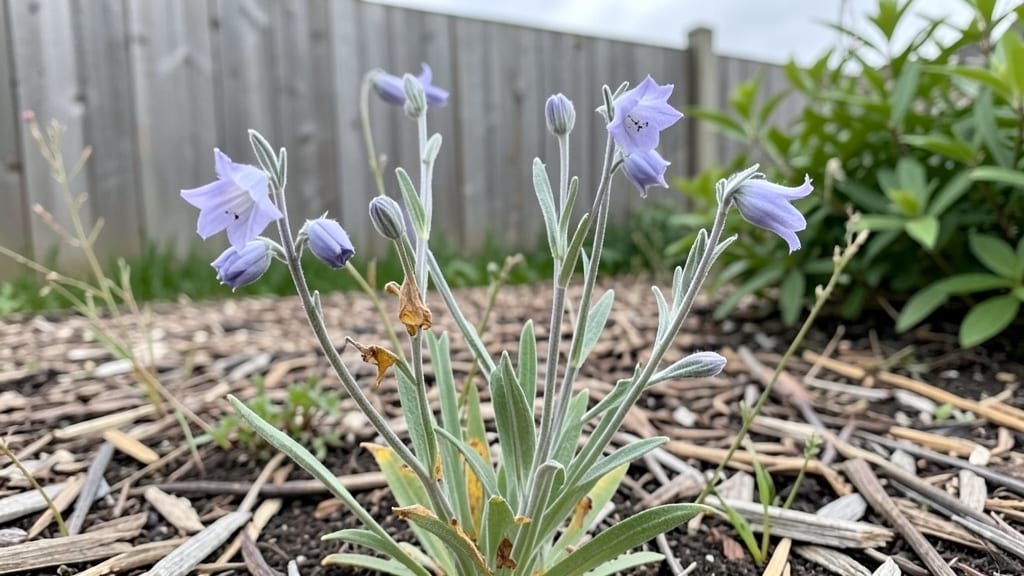
A bell flower bouquet brings cottage garden charm straight into your home with its delicate nodding blooms and honeyed fragrance. I first discovered their magic when I arranged a handful of Campanula persicifolia with peach-colored petals—what started as a simple experiment became my signature summer centerpiece.
The key lies in their natural grace: stems that curve elegantly and clusters of tiny bells that catch light like scattered wind chimes.
Pair them with lavender for contrast or ranunculus for texture, and use greenery like eucalyptus to anchor the arrangement. Seasonal swaps work too: spring’s Campanula isophylla (netbellis) or fall’s Campanula glomerata (clustered bellflower) keep the look fresh year-round.
Most florists overlook these understated stars, but their longevity—up to two weeks with proper care—makes them worth seeking out.
What makes these bouquets special isn’t just their beauty but their symbolic depth—bell flowers represent gratitude and humility in garden lore. A well-crafted arrangement tells a story: the way stems bend toward light, how petals unfurl like tiny bells ringing with each breath of air.
With the right vase and a spritz of floral preservative, you’ll extend their life even longer.
Perfect for cottage-style weddings, rustic dining tables, or simply brightening a windowsill. The technique scales from small mason jar arrangements to grand table centerpieces—all while keeping the focus on those enchanting, dangling blooms. Let’s bring that garden magic indoors.
📚 In This Guide
- What you need
- Instructions
- Tips and common mistakes
- Wrapping up and next steps
What you need
- ● Bell flowers (Campanula spp.) – 8-12 stems (fresh-cut, with at least 3-4 inches of stem per flower). Choose a mix of colors for a vibrant bouquet!
- ● Floral preservative – 1 packet (or 1 tsp of sugar + 1 tsp bleach + 1 tbsp white vinegar per quart of water) to extend freshness.
- ● Scissors or floral shears – Sharp and clean to make precise cuts.
- ● A clean vase or container – Wide-mouthed (6-8 inches in diameter) to accommodate stems comfortably.
- ● Water – Room-temperature, filtered if possible to prevent bacterial growth.
- ○ Floral tape or rubber bands – Optional but helpful for securing stems during arrangement.
- ● Complementary flowers – Daisies, snapdragons, or eucalyptus to add texture and depth.
- ● Greenery – Baby’s breath, ferns, or ivy for a lush, natural look.
- ● Decorative elements – Ribbon, lace, or a sprig of lavender for a personalized touch.
- ● Floral foam – If using a non-water-holding vase (ensure it’s fresh and clean!).
Step-by-Step instructions for crafting a long-lasting bell flower bouquet
Here’s how I assemble a fragrant, long-lasting arrangement that captures the delicate charm of bell flowers.
Harvest Flowers at Peak Freshness
Pick bell flowers in the early morning when dew is still on the petals—this ensures maximum vase life. Look for buds just beginning to open and a few fully bloomed flowers for visual interest. Use sharp, clean pruners to cut stems at a 45-degree angle about 6 inches from the base. This angle increases water absorption while keeping stems strong.
Strip leaves from the lower half of each stem to prevent bacterial growth in the water. If stems are woody or thick, score them lengthwise with a knife before placing them in water—this exposes more surface area for hydration. I always harvest from healthy plants in full bloom to guarantee vibrant color and fragrance.
Prepare and Condition the Stems
Fill a clean bucket with lukewarm water and add 1 tablespoon of floral preservative (or a mix of 1 teaspoon sugar and 1 teaspoon bleach for a DIY solution). Submerge stems immediately after cutting and let them soak for 30 minutes to 1 hour. This hydrates the flowers and removes air bubbles that could block water uptake.
While stems soak, arrange your workspace with a large bucket of water, sharp pruners, and a clean vase or container. Bell flowers are delicate, so handle stems gently to avoid crushing. If you’re using a floral preservative, follow the package instructions for mixing—over-diluting reduces effectiveness.
Design the Bouquet Structure
Start by placing the longest stems in the vase first, fanning them out evenly to create a balanced base. Add medium-length stems next, weaving them through the gaps to fill in the arrangement. Leave space in the center for shorter stems, which will add depth and texture. Bell flowers thrive in loose, airy arrangements—avoid overcrowding, which shortens vase life.
Step back frequently to check balance. The bouquet should look full but not top-heavy. If one side feels sparse, add a few extra stems or adjust existing ones. I like to use a foam block in the vase for extra stability, especially if the arrangement is large or includes heavier stems.
Secure and Hydrate the Arrangement
Trim stems again at the 45-degree angle before placing them in the vase to ensure fresh cuts. Arrange the flowers in the foam block or directly into the vase, adjusting stems as needed to achieve your desired shape. Once satisfied, trim any remaining stems to the same length for a polished finish.
Fill the vase with room-temperature water and add 1 tablespoon of floral preservative to extend freshness. Place the bouquet in a cool, shaded spot away from direct sunlight and drafts for the first 24 hours. This helps the flowers acclimate and reduces stress. Change the water every 2-3 days and trim stems by ½ inch each time to keep them hydrated.
Maintain and Enjoy Your Bouquet
To prolong the bouquet’s life, remove any wilted flowers or leaves promptly. Avoid placing the arrangement near fruits, as ethylene gas from ripening produce accelerates wilting. If the water becomes cloudy or develops a foul odor, replace it immediately—this prevents bacterial growth that shortens vase life.
Bell flowers often last 7-10 days with proper care, but some varieties can extend to 2 weeks if conditions are ideal. Enjoy the fragrance and beauty, and don’t hesitate to experiment with complementary flowers like snapdragons or sweet peas for a stunning garden-inspired arrangement.
Tips & tricks for perfect bell flower bouquets
Creating a stunning, long-lasting bell flower arrangement requires attention to detail at every step. These refined techniques will elevate your bouquet from ordinary to extraordinary, ensuring vibrant colors and lasting fragrance.
Harvesting Precision: In Step 1, when cutting stems at a 45-degree angle, use a sharp, clean pruner to make a swift cut. A jagged cut creates more surface area for hydration, but a clean cut minimizes damage to the stem's vascular system. For stems longer than 6 inches, consider cutting them to this length immediately after harvesting—longer stems can weigh down the arrangement and cause stems to bend unnaturally. The 6-inch length also creates a more balanced visual effect when arranged.
Hydration Science: The 30-minute to 1-hour soaking period in Step 2 is crucial for removing air bubbles that could block water uptake. For maximum effectiveness, use lukewarm water rather than cold—it helps open the stem's pores more quickly. If you're using the DIY preservative solution, mix it immediately before use. Sugar provides energy for the flowers, while the bleach (just 1 teaspoon!) prevents bacterial growth. Never use more bleach than specified, as it can damage the delicate petals.
Structural Balance: When designing your arrangement in Step 3, think of it like building a pyramid. Start with the longest stems creating your base, then work your way up to medium and short stems. For extra stability, especially with heavier stems, use a foam block that's about 2 inches thick. This provides enough support without being too bulky. If you're working without foam, create a crisscross pattern with floral tape at the base of the vase to anchor stems securely.
Post-Arrangement Care: The 24-hour acclimation period in Step 4 is often underestimated. During this time, the flowers adjust to their new environment and begin absorbing water more efficiently. Place your bouquet in a spot that's cool but not cold—near an east-facing window is ideal. Avoid direct sunlight during this period, as it can cause the flowers to wilt prematurely. After the initial 24 hours, you can move it to a more decorative location, but keep it away from heat sources like radiators or sunny windows.
Pro Tips for Bell Flower Bouquet
- Creating a stunning, long-lasting bell flower arrangement requires attention to detail at every step.
- Harvesting Precision: In Step 1, when cutting stems at a 45-degree angle, use a sharp, clean pruner to make a swift cut.
- Hydration Science: The 30-minute to 1-hour soaking period in Step 2 is crucial for removing air bubbles that could block water uptake.
Frequently asked questions
Got questions about crafting your dream bell flower bouquet?
You’re not alone! Here are answers to the most common queries to help you create a stunning, long-lasting arrangement with ease.
What’s the best time of year to pick bell flowers for a bouquet?
Bell flowers (like Campanula or Lobelia) thrive in spring and early summer when they’re in full bloom. For indoor arrangements, harvest them in the early morning when moisture levels are highest—this keeps stems fresh longer. Avoid wilting blooms or those past their prime!
How long will a bell flower bouquet last with proper care?
With the right techniques, your bouquet can last 10–14 days! Trim stems at an angle, change the water every 2–3 days, and place them in a cool spot away from direct sunlight. A drop of bleach (1 tsp per quart of water) or floral preservative can extend freshness even longer.
Can I mix bell flowers with other flowers in a bouquet?
Bell flowers pair beautifully with delicate blooms like roses, peonies, or eucalyptus for texture contrast. Avoid heavy flowers (e.g., sunflowers) that may weigh down the stems. For a fragrant touch, combine them with lavender, sweet peas, or jasmine—just ensure all flowers have similar water needs.
What should I do if my bell flowers wilt quickly?
Wilting often signals poor hydration or ethylene gas exposure. First, recut stems under lukewarm water and remove lower leaves. Place the bouquet in a vase with fresh water and floral food. If wilting persists, check for bacterial buildup—clean the vase with vinegar or replace it entirely.
Are there alternatives to fresh bell flowers for a bouquet?
Yes! For a long-term or low-maintenance option, try:
- Dried bell flowers (preserve by air-drying or using silica gel).
- Silk or paper flowers (ideal for everlasting arrangements).
- Herbs like lavender or statice for a similar bell-shaped bloom vibe.
Wrapping up and next steps
A bell flower bouquet isn’t just a stunning centerpiece—it’s a fragrant, long-lasting masterpiece that brings your garden’s charm indoors. By selecting the right blooms, using fresh-cut techniques, and adding a touch of floral food, you’ve unlocked the secret to a bouquet that stays vibrant for weeks.
Whether you’re gifting it to a loved one or treating yourself, this arrangement is a celebration of nature’s beauty.
Ready to create magic with flowers? 🌸 Grab your pruners, pick your favorite bell flowers, and start arranging—your future bouquet (and anyone who receives it) will thank you! For even more inspiration, explore seasonal flower combinations or dive into DIY floral preservation tips.