
Blooming
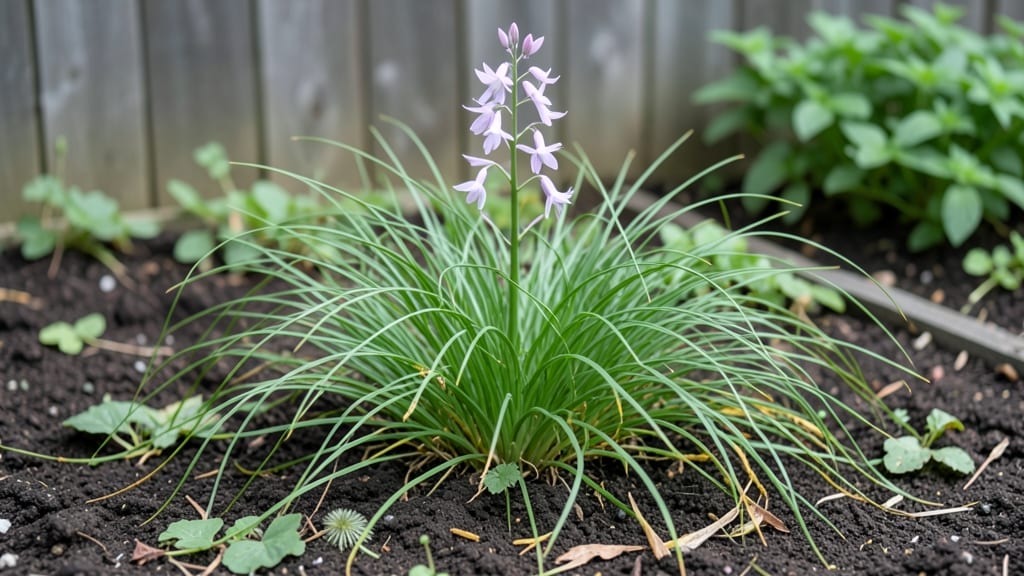
When asparagus sends up those delicate, lavender-purple blooms in late spring, your garden just became a gourmet masterpiece. ✨ I remember my first time watching those feathery flowers unfurl—it felt like nature was handing me a secret ingredient.
These aren’t just pretty; they’re edible, with a mild onion-pearl flavor that brightens salads or garnishes.
The flowers mark the end of your asparagus harvest season, but they’re not the enemy—they’re a sign your crown is thriving. Let them bloom naturally for the first year or two to strengthen the roots, but after that, you can snip them back to redirect energy into next year’s spears.
The key is balance: too many flowers mean fewer spears, but removing them all weakens the plant.
What you’ll get is a plant that keeps producing for decades, with those stunning blooms returning every year. The spears may be smaller after flowering, but the trade-off is a hardier crown that fights off disease better. Plus, you’ll have fresh garnishes straight from your garden—no store-bought substitutes needed.
Works for both backyard beds and container growers (with larger varieties). The same principles apply whether you’re in Zone 3 or 9—just time your pruning to your local frost dates. Here’s how to make the most of this two-in-one harvest.
📚 In This Guide
- What you need
- Instructions
- Tips and common mistakes
- Wrapping up and next steps
What you need
- ● Asparagus crowns: 3–5 healthy, disease-free crowns (ensure they’re male varieties for edible flowers—e.g., Asparagus officinalis ‘Mary Washington’ or ‘Purple Passion’).
- ● Well-draining soil: Mix of 60% topsoil, 30% compost, and 10% coarse sand or perlite (pH 6.5–7.5). Test soil pH with a kit if unsure.
- ● Organic fertilizer: 10-10-10 NPK or a balanced fish emulsion (apply at planting and mid-season).
- ● Mulch: 2–3 inches of straw or wood chips to retain moisture and suppress weeds.
- ● Garden fork or trowel: For planting crowns 6–8 inches deep and 12–18 inches apart.
- ● Pruners or sharp scissors: For trimming spears and harvesting flowers (sterilize with rubbing alcohol).
- ● Watering can or drip irrigation: 1–1.5 gallons per plant weekly (deep watering, not surface splashing).
- ○ Garden twine or stakes: To support tall varieties (optional but helpful for windy areas).
- ● Epsom salt: 1 tbsp per plant monthly for magnesium (boosts flower production).
- ● Companion plants: Marigolds or nasturtiums to deter pests like asparagus beetles.
- ● Row covers: Lightweight fabric to protect young shoots from frost (remove when flowers appear).
- ● Food-safe spray bottle: For lightly misting flowers before harvesting (keeps petals tender).
How to grow and harvest edible asparagus flowers for culinary use
Here's how to coax those delicate, edible blooms from your asparagus crowns—turning your garden into a fragrant, flavorful kitchen garden.
🌱 Step 1: Establish Healthy Asparagus Crowns First
Asparagus flowers only appear on 3-4 year old plants with well-established crowns. If you're starting fresh, plant 1-2 pound crowns in full sun with 6-8 inches of loose, sandy soil. I dig a 12-inch deep trench, place the crown horizontally with roots facing down, and cover with 2 inches of soil. Leave the tips exposed until shoots emerge.
After the first harvest year, let the plant recover fully. Flowers won't appear until the third growing season when the crown has stored enough energy. You'll know it's ready when spears grow 8-12 inches tall before shooting upward dramatically—this signals the plant is mature enough for blooms.
☀️ Step 2: Provide Ideal Growing Conditions for Blooms
Asparagus flowers thrive with 6+ hours of direct sun daily and well-drained soil with a pH of 6.5-7.5. I add 2-3 inches of compost in early spring to encourage vigorous growth. Avoid over-fertilizing with nitrogen—it promotes spear production at the expense of flowers.
Water deeply 1-2 times weekly, keeping the soil consistently moist but never soggy. You'll see the first flower stalks emerge in late spring when temperatures reach 60-70°F. These delicate shoots grow 12-18 inches tall before opening into purple or greenish-yellow blooms that resemble tiny ferns.
✂️ Step 3: Harvest Flowers at Peak Edibility
Harvest flowers when buds are fully open but petals remain tightly closed—this ensures maximum flavor and tenderness. Use clean pruning shears to cut the entire flower stalk 1 inch below the bloom. I harvest in the morning when petals are dry and dew-free for the best texture.
Don't harvest more than 20% of the plant's flowers in any single season to maintain plant health. After harvesting, rinse gently and pat dry immediately. Store in the fridge wrapped in a damp paper towel for 3-4 days, or use fresh in salads, garnishes, or infused oils.
🌿 Step 4: Encourage Future Blooms Through Proper Care
After harvesting, let the plant continue growing to build energy for next year. I apply 1/2 cup of 10-10-10 fertilizer in early summer to replenish nutrients. Water consistently until fall, then reduce to once weekly when soil temperatures drop below 50°F.
In late fall, cut back all foliage to 2 inches above ground level and mulch with 3-4 inches of straw. This protects the crown during winter and ensures robust regrowth in spring. With proper care, your asparagus will produce edible flowers for 15-20 years, turning your garden into a perpetual culinary treasure.
Tips & tricks for perfect asparagus flower bloom cultivation
Transforming your garden into a fragrant, edible paradise starts with these key insights—learned from years of watching asparagus crowns burst into culinary treasure.
Timing is Everything: The third growing season is non-negotiable for flower production—don't rush it! I've seen gardeners impatiently harvest spears too aggressively in years 1-2, only to get no flowers by year 3. Let those spears grow to 8-12 inches before harvesting, signaling the plant has stored enough energy for blooms. This patience pays off with those delicate purple or greenish-yellow flowers that resemble tiny ferns.
Sunlight Secret: Those 6+ hours of direct sun aren't just about growth—they're about flavor development. I've noticed asparagus flowers grown in partial shade have less intense aroma and slightly bitter notes. Position your plants where they'll get morning sun and afternoon shade if you're in a hot climate, but prioritize full sun for maximum culinary quality. The 60-70°F temperature range during bloom time is also critical—too cold delays flowering, while too hot can stress the plants.
Harvesting Precision: That 1-inch cut below the bloom might seem small, but it makes all the difference. Cutting too close can damage the plant's ability to produce next year's flowers. I harvest in the morning when petals are dry—this prevents moisture from making the flowers limp. And remember, 20% harvest limit per season: this rule keeps your plant healthy for those 15-20 years of production.
Winter Protection: That 3-4 inches of straw mulch isn't just decoration—it's insulation. I've seen asparagus crowns survive winters with just this protection, even in zones with 50°F soil temperatures. The mulch prevents soil temperature swings that can shock the crown. In particularly cold climates, consider adding an extra 2 inches of leaves on top of the straw for extra insulation.
Pro Tips for Asparagus Flower Bloom
- Transforming your garden into a fragrant, edible paradise starts with these key insights—learned from years of watching asparagus crowns burst into culinary treasure.
- Timing is Everything: The third growing season is non-negotiable for flower production—don't rush it!
- Sunlight Secret: Those 6+ hours of direct sun aren't just about growth—they're about flavor development.
Frequently asked questions
about asparagus flower blooms—because every gardener deserves a little clarity!Can I eat asparagus flowers?
Asparagus flowers are edible and add a delicate, slightly sweet flavor to dishes. The petals are often used in salads, garnishes, or as a fancy touch for cocktails. Just ensure they’re pesticide-free and fully bloomed for the best taste.
When do asparagus flowers bloom?
Timing depends on your climate, but asparagus flowers typically bloom in late spring to early summer (May–June in most regions). In warmer zones, they may bloom earlier. Watch for the distinctive purple or green flower stalks emerging from the fern-like foliage.
How do I encourage more asparagus flowers?
To boost blooms, ensure your asparagus plants get full sun (6+ hours/day) and well-draining soil. Avoid over-fertilizing with nitrogen (it prioritizes spears over flowers). Prune spent blooms to redirect energy to future growth. Pro tip: Mulch lightly to retain moisture without smothering the crown.
What if my asparagus flowers don’t bloom?
No blooms? Check these fixes:
- Age: Asparagus plants need 3–4 years to mature before flowering.
- Stress: Overwatering or poor soil can delay blooms.
- Harvesting: Cutting too many spears early may reduce flower production.
Are there alternatives to asparagus flowers for edible blooms?
Yes! If asparagus isn’t blooming, try these edible flowers:
- Nasturtiums (peppery, vibrant)
- Violet flowers (mild, floral)
- Calendula (citrusy, petal-friendly)
Wrapping up and next steps
Watching your asparagus flower bloom into edible, delicate petals is like unlocking a secret garden treasure! 🌸 These vibrant blooms aren’t just beautiful—they’re a culinary gem, ready to elevate your dishes with a subtle, licorice-like charm.
Whether you’re a gardener or a foodie, this experience turns your yard into a gourmet playground.
Now that you’re armed with tips and tricks, why not take the next step? Start small—harvest a few petals, experiment with recipes, or share your blooms with fellow plant enthusiasts. Your garden (and taste buds) will thank you!