
Blooming
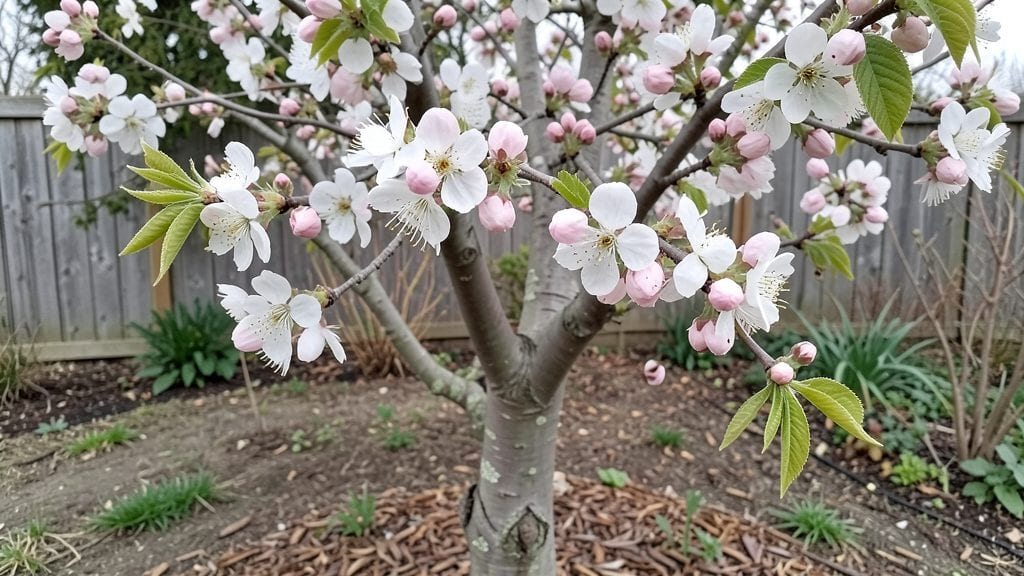
Almond blossom flowers turn spring into a fragrant, dreamy spectacle that transforms any garden into a pollinator paradise. 🌸 I’ll never forget the first time I walked through my neighbor’s yard during peak bloom—it smelled like a mix of vanilla and honey, and bees were buzzing everywhere.
The delicate pink and white clouds of flowers create this magical, almost ethereal effect that’s impossible to ignore.
These blossoms aren’t just pretty—they’re a pollinator magnet, drawing bees, butterflies, and hummingbirds in droves. They bloom for just 2-3 weeks, so timing is everything. Plant them along pathways where you can enjoy their scent up close, or cluster them near seating areas to create a fragrant oasis.
Pair them with lavender, rosemary, or other early spring bloomers to extend the show.
For a showstopping design, consider a low-maintenance almond tree as a focal point in your garden’s center or along a driveway. Their graceful, slightly weeping branches frame the space beautifully, and the blossoms create a stunning contrast against dark evergreens.
Even if you’re not growing a full tree, dwarf varieties or potted specimens work perfectly for smaller spaces.
The key to making them shine is pruning lightly in late winter to encourage dense blooms, and choosing a spot with full sun and well-draining soil. Once established, they’re surprisingly low-maintenance, rewarding you with years of fragrant beauty. Here’s how to weave them into your garden’s story.
📚 In This Guide
- What you need
- Instructions
- Tips and common mistakes
- Wrapping up and next steps
What you need
- ● Almond tree varieties: Non-bearing almond trees (e.g., Prunus dulcis ‘Nonpareil’ or ‘Fritz’ for ornamental use). Note: Bearing varieties may attract squirrels!
- ● Quantity: 1–3 trees (for cross-pollination, plant at least two varieties within 50–100 feet of each other).
- ● Soil amendments: Well-draining loamy soil (pH 6.0–7.5). Amend heavy clay with compost (5–10 gallons per tree) or sand (for drainage).
- ● Organic matter: Aged manure or leaf mold (1–2 inches mixed into topsoil).
- ● Fertilizer: Balanced 10-10-10 fertilizer (1–2 cups per tree at planting) or citrus-specific formula (low nitrogen, high potassium).
- ● Mulch: Wood chips or straw (2–3 inches deep, keep 6 inches away from trunk).
- ● Hand tools: Trowel or transplant spade
- ● Pruners (sterilized with rubbing alcohol)
- ● Grafting tools (if propagating via grafts)
- ● Measuring tools: Measuring tape (for spacing) and pH test kit (for soil).
- ● Watering supplies: Hose with adjustable nozzle or drip irrigation system.
- ○ Protective gear (optional): Gloves (for handling soil/roots) and knee pads.
- ● Pollinator boosters: Native companion plants (e.g., lavender, thyme, or ceanothus) to extend blooming season.
- ● Bee water station (shallow dish with pebbles and water).
- ● Pest control: Neem oil (for aphids) or reflective tape (to deter birds).
- ● Decorative touches: Stakes or trellises (for young trees) or fragrant ground covers (e.g., clover).
How to cultivate almond blossoms for a pollinator-friendly spring display
Transform your garden into a fragrant magnet for bees and butterflies with these almond tree blooms.
🌱 Step 1: Select the Right Almond Variety and Planting Site
Choose a self-pollinating almond variety like 'Nonpareil' or 'Butte' for reliable blooms without needing cross-pollination. Almond trees thrive in USDA Zones 6-10 and need full sun exposure—at least 6-8 hours daily. I always plant mine in well-draining soil with a slight slope to prevent waterlogging, which almond roots despise.
Test your soil's pH—almonds prefer 6.0-7.5. If your soil is too alkaline, amend it with 2-3 inches of compost mixed into the top 12 inches of soil. The tree's root system needs deep, aerated soil to establish properly, so avoid heavy clay. Here's the thing—you'll see the best blooms when the tree is planted in late winter or early spring, giving roots 6-8 weeks to settle before summer heat arrives.
🪴 Step 2: Prepare the Planting Hole and Transplant
Dig a hole twice as wide as the root ball but only as deep as the container's base. Almond trees have shallow roots that spread horizontally, so avoid planting too deep. Remove the tree from its container and loosen any circling roots with your fingers—this prevents girdling as the tree matures.
Place the tree in the hole so the graft union (the bump where the scion was attached) sits 2-3 inches above soil level. This ensures proper healing and prevents rot. Backfill with native soil mixed with 1-2 gallons of compost, tamping gently to remove air pockets. Water deeply until the soil settles—you'll see the ground level drop about 1 inch as it absorbs moisture.
☀️ Step 3: Establish Watering and Fertilization Routines
Water the tree deeply 2-3 times per week for the first 2 months, ensuring moisture reaches 12-18 inches deep. Almond trees are drought-tolerant once established, but young trees need consistent hydration to develop strong roots. I use a soaker hose to deliver water slowly at the base, avoiding wetting the foliage to prevent fungal diseases.
Apply a balanced 10-10-10 fertilizer in early spring, spreading ½ cup per inch of trunk diameter around the drip line. Repeat in late spring and early fall. Avoid high-nitrogen fertilizers—they promote leafy growth at the expense of blossoms. You'll notice the first flush of fragrant white or pink blossoms in late winter to early spring, typically 3-5 years after planting, depending on climate.
✂️ Step 4: Prune for Airflow and Bloom Health
Prune in late winter before buds swell, removing dead, crossing, or inward-growing branches. Almond trees bloom on old wood, so avoid heavy pruning that cuts back more than 25% of the canopy. I focus on thinning branches to improve airflow—this reduces humidity around blossoms and minimizes the risk of brown rot, a common fungal disease.
Shape the tree into an open vase form, keeping the center clear. This encourages sunlight penetration and better bloom distribution. After flowering, remove any mummified nuts (dried, shriveled fruit) to redirect the tree's energy into next year's blossoms. You'll see the most abundant blooms when the tree is well-pruned and stress-free—stressed trees often drop buds prematurely.
🌿 Step 5: Protect Blossoms and Support Pollinators
Almond blossoms are highly attractive to bees, but late frosts can damage them. Monitor forecasts and cover young trees with frost cloth if temperatures drop below 28°F during bloom. Avoid plastic sheets—they trap heat and can scorch blossoms. Once blooms appear, refrain from pesticides to protect pollinators.
Plant companion flowers like lavender or thyme near the base to extend the pollinator-friendly season. Mulch with 2-3 inches of wood chips to retain moisture and suppress weeds, but keep mulch 6 inches away from the trunk to prevent rot. With proper care, your almond tree will reward you with weeks of fragrant blossoms and a thriving ecosystem.
Tips & tricks for perfect almond blossom cultivation
These insider tips will help you coax the most spectacular, fragrant blooms from your almond tree while creating a haven for pollinators.
Soil Preparation Secret: The 6.0-7.5 pH range is critical, but don't just test once—recheck after amending with compost. I've found that almond roots actually prefer slightly alkaline soil (closer to 7.5) once established, so if your initial test shows 6.5, you might not need to amend at all. The key is that soil must drain freely—consider adding perlite or coarse sand if your native soil feels dense, even after composting.
Root System Strategy: When planting, focus on creating a "root-friendly" environment rather than just following dimensions. The shallow horizontal roots need room to spread, so if your hole feels too tight after backfilling, gently loosen the sides with your fingers. I've seen trees planted exactly to specs still struggle because compacted soil restricted root growth. That 1-inch settling after watering is your signal that roots have proper space to establish.
Frost Protection Hack: The 28°F threshold is non-negotiable for young blossoms, but don't wait until the last minute to cover. Set up your frost cloth the night before predicted drops—it takes time to properly drape without damaging branches. I use wooden dowels to create a tent shape, keeping the fabric 6 inches above the tree to allow airflow while trapping heat. This prevents the dreaded "frost burn" that turns blossoms brown overnight.
Pruning Precision: That 25% canopy limit during pruning is your safety net, but focus even more on branch angle. Remove any branches growing at sharp angles (less than 45 degrees) to the trunk—they're more prone to breaking under blossom weight. I always make cuts just outside the branch collar (the swollen area where branch meets trunk) to promote faster healing. The open vase form isn't just aesthetic—it creates that crucial airflow that prevents brown rot.
Pro Tips for Almond Blossom Flower
- These insider tips will help you coax the most spectacular, fragrant blooms from your almond tree while creating a haven for pollinators.
- Soil Preparation Secret: The 6.0-7.5 pH range is critical, but don't just test once—recheck after amending with compost.
- Root System Strategy: When planting, focus on creating a "root-friendly" environment rather than just following dimensions.
Frequently asked questions
Got questions about nurturing almond blossom flowers in your pollinator garden? Here are some of the most common ones—and their answers!
When is the best time to plant almond blossom trees?
Plant almond blossom trees in late fall or early winter (dormant season) for optimal root establishment. If planting in spring, do so before buds swell (around February in most regions). Avoid summer planting—heat stress can stunt growth. Choose a sunny spot with well-draining soil for best results!
How long do almond blossoms last?
Almond blossoms typically bloom for 1–2 weeks, depending on weather. Cooler nights and mild days extend their lifespan, while frost or heat waves can shorten it. Their fleeting beauty makes them a stunning (but brief!) spring highlight—plan your garden visits accordingly!
Are almond blossoms good for bees and other pollinators?
Almond blossoms are a powerhouse for pollinators, especially bees. They provide early-season nectar when few other flowers are blooming. To maximize benefits, plant them alongside other pollinator-friendly species like lavender or sage for a continuous food source.
What can I do if my almond tree isn’t blooming?
Non-blooming almond trees often lack proper care. Check these fixes:
- Age: Young trees (under 3 years) may not bloom yet—be patient!
- Sunlight: Ensure 6+ hours of direct sun daily.
- Pruning: Over-pruning can reduce blooms; trim lightly in late winter.
- Nutrition: Apply a balanced fertilizer in early spring.
- Watering: Drought stress can inhibit blooms—keep soil moist but not soggy.
Can I grow almond blossoms in containers?
Dwarf almond varieties (like ‘Desert King’) thrive in large containers (15+ gallons) with drainage holes. Use well-draining potting mix and repot every 2–3 years. Place containers in full sun and water regularly, but avoid overwatering. Container-grown trees may bloom slightly later than ground-planted ones.
Wrapping up and next steps
The almond blossom flower isn’t just a breathtaking sight—it’s a lifeline for pollinators and a symbol of spring’s renewal. By welcoming these delicate blooms into your garden, you’re creating a haven for bees, butterflies, and hummingbirds while adding a fragrant, picturesque touch to your outdoor space. 🌸
Ready to take the next step? Start small—plant a single almond tree or a few companion flowers to attract pollinators. Then, share your blooming success with fellow gardeners or local conservation groups. Every blossom makes a difference!