
Flowers
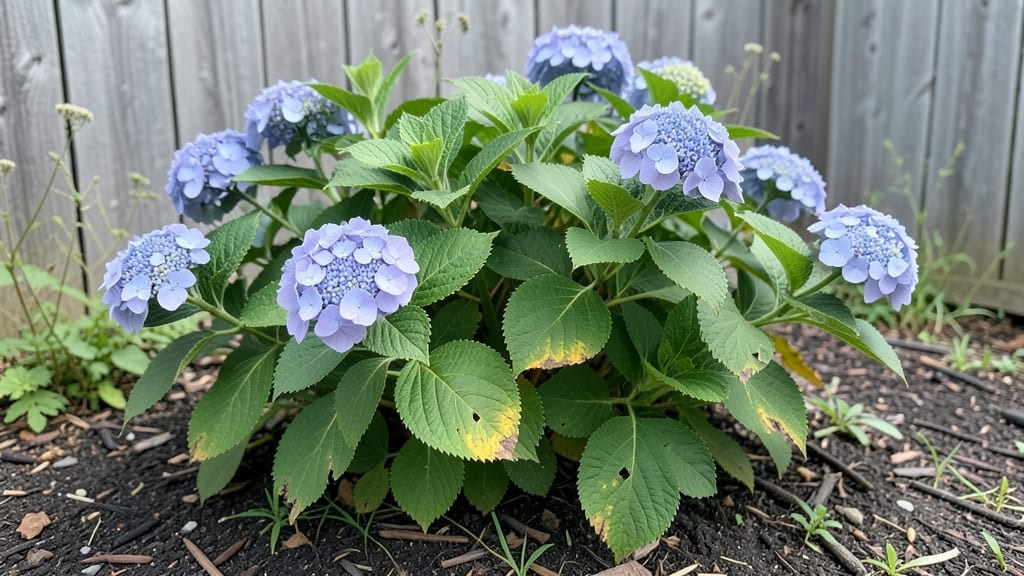
Six-petal flowers like lilies and irises aren’t just pretty—they’re the unsung heroes of pollinator gardens, packing more charm and fragrance into fewer petals than their flashier cousins. 🌿 I’ve filled my garden borders with them, and the difference is night-and-day: bees, butterflies, and hummingbirds linger longer, and the scent stays strong from spring through frost.
These flowers thrive in almost any setting—whether you’re going for a wild cottage garden or crisp formal borders. Pair deep purples like Siberian iris with creamy peonies for drama, or let soft pink lilies drift through a meadow mix with golden rod and black-eyed Susans.
The key is layering heights and textures so the six-petal stars stand out without competing.
You’ll end up with a garden that smells like a secret garden all season long, even when other flowers have faded. The fragrance lingers strongest in the morning, drawing pollinators before the heat sets in, and the blooms hold up to rain better than many double-petal varieties.
Plus, their simple structure makes them easy to mix with bold foliage plants like hostas or ornamental grasses.
Works equally well in sun-drenched borders or dappled shade spots—just match the variety to your light conditions. Start with a few tried-and-true types like daylilies or bearded irises, then branch out to less common six-petal gems once you see how they perform in your space.
Behind The Blooming Mystery
The sight of a six-petal flower—whether it’s the iconic Helleborus niger (Christmas rose) or a cultivated hybrid like Ranunculus—can feel like nature’s secret code. But why do some flowers consistently grow with this striking symmetry?
The answer lies in a mix of genetic quirks, environmental triggers, and evolutionary advantages that shape their development. Let’s break down the science behind this floral phenomenon.
Flowers with six petals (hexamerous) often trace their design back to genetic switches that dictate petal number. Key players include: - Florigen (FT Protein): This hormone-like signal tells plants when to flower, but it also influences meristem development—the growing tip where petals form.
Mutations or overproduction can lead to extra petals, sometimes resulting in six instead of the more common four or five. - ABC Model Genes: Plants use three classes of genes (A, B, C) to determine floral organs.
A tweak in these genes—like an extra Class B gene activation—can push petal counts upward. For example, Ranunculus flowers often have six petals due to repeated whorls (layers) of petal-like structures. - Polyploidy: Some six-petal flowers (like Helleborus) are polyploid, meaning they have extra chromosome sets.
This genetic duplication can lead to more robust growth and additional petals as a side effect.
Actionable Insight: If you’re growing six-petal flowers from seed, choose hybrid varieties (like Ranunculus asiaticus) bred for this trait—genetics are far more reliable than hoping for random mutations!
Not all six-petal flowers thrive in the same conditions, and their development is deeply tied to light exposure and temperature swings: - Photoperiod Sensitivity: Some plants (like Helleborus) need short-day conditions (less than 12 hours of light) to trigger flowering.
Too much sunlight can delay or alter petal formation. - Cold Stratification: Many perennial six-petal flowers (e.g., Primula denticulata) require winter chilling (4–8 weeks below 40°F) to break dormancy.
Skipping this step can result in underdeveloped or malformed blooms. - Heat Stress: High temperatures (>85°F) can cause petal fusion or stunted growth, sometimes reducing petal counts. Ranunculus, for instance, may revert to fewer petals if grown in a greenhouse without proper ventilation.
Pro Tip: 🌡️ Plant in partial shade (especially in hot climates) and mulch heavily in winter to mimic natural temperature fluctuations—this encourages the genetic potential for six petals to fully express.
What’s in the dirt can dramatically affect flower structure. Deficiencies or excesses in key nutrients play a surprising role: - Phosphorus (P) Deficiency: Leads to weak stems and fewer petals because phosphorus fuels energy transfer for flower development.
A soil test below 40 ppm P can stunt blooms. - Potassium (K) Surplus: Too much potassium (especially in fertilizers like 5-10-10) can promote leafy growth at the expense of petals.
Aim for a balanced 10-10-10 or 5-5-10 fertilizer. - Micronutrient Imbalance: Boron and molybdenum are critical for petal formation. A lack of boron can cause blind buds (no petals), while excess nitrogen (N) may lead to larger but fewer petals.
Grower’s Checklist: ✅ Test soil pH (6.0–7.0 is ideal for most six-petal flowers). ✅ Avoid over-fertilizing—more isn’t better for petal count! ✅ Use compost tea for micronutrients without chemical guesswork.
Evolution doesn’t just happen by chance—pollinators shape flower structure. Six-petal flowers often thrive because: - Bee & Butterfly Preferences: Insects like bumblebees and swallowtail butterflies are drawn to symmetrical, multi-petal flowers for easy nectar access.
More petals = more landing platforms = better pollination success. - Bird Adaptations: Some six-petal flowers (like Mahonia aquifolium) have petals arranged to guide hummingbirds inward, increasing pollination efficiency. - Wind-Pollinated Exceptions: Most six-petal flowers aren’t wind-pollinated (they lack feathery stigmas), which means their extra petals are a deliberate evolutionary investment in animal pollinators.
Wildlife Hack: 🐝 Plant six-petal flowers in clusters to attract more pollinators—this not only boosts your blooms but also supports local ecosystems!
What you do to the plant after it’s grown can either enhance or sabotage those six petals: - Deadheading Too Early: Removing spent blooms before they seed can signal the plant to halt petal production for the season.
Wait until all petals drop naturally. - Over-Pruning: Cutting back more than 1/3 of the foliage at once can stress the plant, leading to smaller, fewer petals the next bloom cycle. - Root Bound Stress: If roots are crowded in containers, the plant diverts energy to survival instead of petal development. Repot every 2 years for perennials like Helleborus.
Quick Fix: ⏰ Prune in early spring (just as new growth emerges) to encourage stronger, more petal-rich blooms later in the season.
Revive & Sustain Your Blooms
Transforming your 6-petal flower garden into a thriving, fragrant haven starts with targeted care. Below, we’ve mapped common issues to simple, effective fixes—plus proactive tips to keep those delicate petals happy year-round. 🌸
Cause: Overwatering, underwatering, or root stress. Solution:Adjust your watering routine immediately. These flowers prefer consistent moisture but hate soggy soil. Here’s how:
- 💧 Check soil moisture: Stick your finger 1–2 inches deep. If dry, water thoroughly; if damp, wait 2–3 days.
- ⏰ Water in the morning: Avoid evening watering to prevent fungal growth.
- 🌿 Improve drainage: Mix in perlite or sand if your soil feels compacted.
Prevention: Use mulch (2–3 inches) to retain moisture and regulate temperature. Pro tip: 💡 A drip irrigation system delivers steady hydration without overdoing it.
Cause: Aphids, spider mites, or whiteflies sucking sap. Solution:Act fast—these pests weaken plants and spread diseases. Try these non-toxic methods first:
- 🍋 Spray with soapy water: Mix 1 tsp mild dish soap + 1 quart water. Spray directly on pests (test on a small leaf first).
- 🌿 Introduce predator plants: Marigolds or lavender repel pests naturally.
- 🕷️ Handpick large pests: Drop them in soapy water to avoid harming bees.
Prevention: Encourage beneficial insects like ladybugs by planting dill or fennel. 🌡️ Avoid chemical pesticides—they harm pollinators!
Cause: Nutrient deficiency (often nitrogen or iron) or poor soil health. Solution:Diagnose the issue with a simple soil test kit (available at garden centers). Then:
| Symptom | Fix |
|---|---|
| Yellow leaves (pale green veins) | Add iron chelate or composted leaves. Test pH—acidic soil (5.5–6.5) helps absorption. |
| Slow growth, weak stems | Fertilize with balanced 10-10-10 in spring. Avoid over-fertilizing—it burns roots! |
Prevention: Refresh soil annually with compost or worm castings. ✨ Bonus: Plant flowers near legumes (like clover) to naturally boost nitrogen.
Cause: Overpruning, heat stress, or lack of deadheading. Solution:Extend your blooms with these easy steps:
- ✂️ Deadhead regularly: Snip spent flowers just above the next set of leaves to encourage new blooms.
- 🌞 Provide afternoon shade: Use shade cloth (30–50%) in peak summer heat.
- 🌿 Prune lightly in early spring: Trim 1/3 of the plant to promote bushier growth.
Prevention: Choose a location with 4+ hours of morning sun and partial afternoon shade. 🎯 Pro tip: Group flowers with similar needs to simplify care!
Remember: Patience and consistency are key. With these fixes, your 6-petal flowers will reward you with vibrant color and intoxicating fragrance for seasons to come. Happy gardening! 🌿💐
Frequently asked questions
Which flowers naturally have six petals?
Classic six-petal blooms include Ranunculus (with layered petals), Helleborus niger (Christmas rose), Primula denticulata, and many Iris varieties. Daylilies and some lilies also feature this structure, though their petal count can vary slightly. For pollinator gardens, focus on Mahonia or Clematis hybrids—they’re especially bee-friendly!
Do six-petal flowers attract more pollinators?
The symmetrical structure of six-petal blooms creates ideal landing platforms for bees and butterflies. Studies show these flowers often have longer nectar tubes and more visible pollen, making them top choices for hummingbirds too. Cluster them in groups of 3+ for maximum impact—pollinators prefer "buffet-style" arrangements!
Can I grow six-petal flowers in containers?
Yes, but choose compact varieties like Ranunculus asiaticus or dwarf irises. Use pots with drainage holes and a minimum 12-inch depth—their roots need room to establish. For fragrant options, try Helleborus in 16-inch containers with well-draining potting mix. Repot every 2 years to prevent root-bound stress that reduces petal count.
Why do some of my six-petal flowers have fewer petals?
Common causes include nutrient deficiencies (especially phosphorus), heat stress (>85°F), or over-pruning. Check your soil pH (ideal: 6.0–7.0) and avoid high-nitrogen fertilizers. If growing from seed, use hybrid varieties—they’re bred to consistently produce six petals. For perennials, mulch heavily in winter to protect their genetic potential.